


Primary mitochondrial diseases, a group of inherited disorders that impair the energy-producing machinery of human cells, have long been regarded as relentlessly progressive conditions that cut lives short. A new nationwide study from England, published in Genome Medicine, now offers the most comprehensive picture yet of how long people with these diseases actually live, what kills them, and whether they face an elevated risk of cancer. The findings challenge several long-held assumptions and provide clinicians and families with hard numbers where only uncertainty existed before.
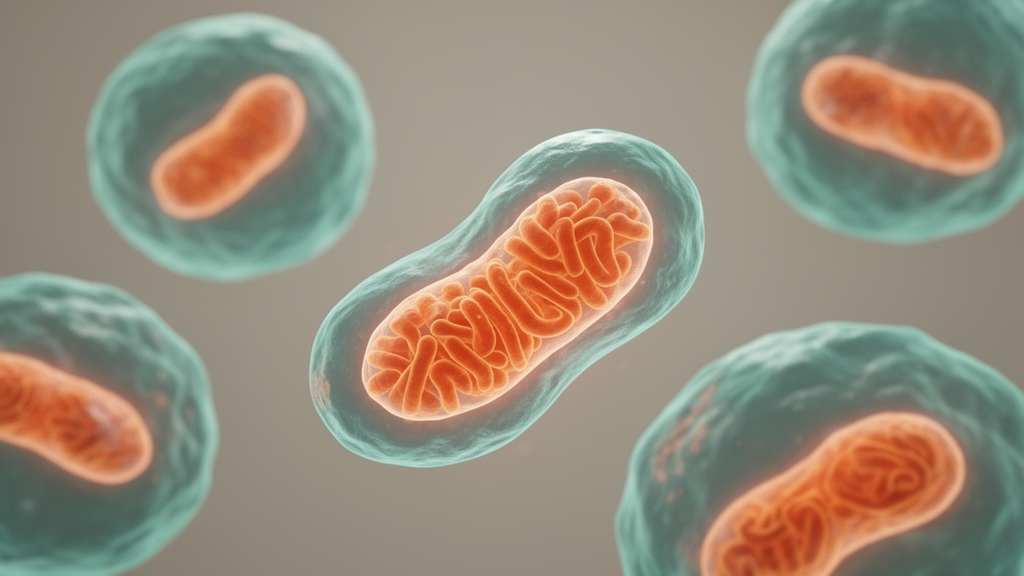
Mitochondria are the organelles responsible for generating adenosine triphosphate, the chemical currency that powers virtually every energy-demanding process in the body. Because tissues such as brain, muscle, heart and the specialised cells of the retina and endocrine organs are exquisitely dependent on oxidative phosphorylation, defects in the mitochondrial energy-transducing system produce a bewildering range of clinical presentations, from stroke-like episodes and seizures to cardiomyopathy, diabetes, deafness and progressive external ophthalmoplegia. The genetic architecture is equally complex: the disorders can arise from mutations in the small circular mitochondrial genome that is maternally inherited, or from defects in any of the roughly 1,500 nuclear genes that encode proteins required for mitochondrial function, which follow dominant, recessive or X-linked patterns of transmission. Epidemiological estimates suggest that about one in 4,300 livebirths is affected, making primary mitochondrial disease one of the commonest groups of inherited metabolic disorders, yet survival data have remained fragmentary, drawn mostly from single-centre cohorts or specialist clinics that may over-represent the most severely affected patients.
To overcome that limitation, a team led by Katherine Schon and Patrick Chinnery of the University of Cambridge joined forces with the National Disease Registration Service of NHS England and with NHS diagnostic laboratories across the country, including centres in London, Oxford, Liverpool, Exeter, Manchester, Nottingham and Cambridge, as well as Genomics England. Their goal was to assemble a curated national cohort of genetically confirmed mitochondrial disease patients and to link each individual’s genetic diagnosis to routinely collected healthcare records covering a population of 60.2 million people. Because the National Disease Registration Service operates under legal permissions granted to NHS England, individual consent was not required, allowing the researchers to capture a genuinely population-based sample rather than a biased subset of tertiary-referral cases.
The cohort that emerged comprised 1,266 unique individuals identified through the diagnostic laboratories and genomic sequencing programmes, of whom 1,164 had a known region of residence in England. After careful clinical review, 1,107 patients were included in the final analysis: 527 males and 580 females, with a median age of 48 years and an age range stretching from infancy to 90 years. Seventy-four percent of the patients carried a mitochondrial DNA diagnosis, while the remaining 26 percent had a nuclear genetic diagnosis. Among the cohort, 159 individuals, or 14.3 percent, had been diagnosed during childhood, and 170 patients had died by the time of analysis. This scale and genetic breadth make the study an order of magnitude larger than most previous survival analyses in the field.
The central result is striking: survival after genetic diagnosis was far better than many clinicians had anticipated. For the whole cohort, 80.3 percent of patients were still alive ten years after their genetic diagnosis, with a 95 percent confidence interval of 76.9 to 83.7 percent, and 58.9 percent survived twenty years, with a confidence interval of 49.6 to 70.0 percent. These figures, derived using Kaplan-Meier survival analysis, suggest that a substantial proportion of people living with mitochondrial disease can expect decades of life after diagnosis, a message that will matter enormously to newly diagnosed patients and their families who often fear the worst.
Survival was not uniform, however, and the statistical modelling revealed clear risk strata. Using Cox proportional hazards regression, the researchers found that individuals diagnosed during childhood had a hazard ratio of 2.11 for death compared with those diagnosed later, a difference that was highly significant with a p value below 0.001. Older age at diagnosis also carried a markedly worse prognosis, with a hazard ratio of 2.83, again significant at p below 0.001. The strongest single genetic predictor was recessive POLG disease, caused by mutations in the nuclear gene encoding the catalytic subunit of mitochondrial DNA polymerase gamma, which conferred a hazard ratio of 3.06, also highly significant. In other words, both the timing of disease onset and the precise molecular defect shape prognosis, reinforcing the principle that mitochondrial diseases cannot be counselled as a single entity but must be stratified genotype by genotype.
The causes of death painted a similarly nuanced picture. Among children who died, most deaths were attributable to the underlying mitochondrial disorder itself, reflecting the severe multisystem presentations such as encephalopathy, liver failure and infantile cardiomyopathy that dominate the paediatric end of the spectrum. In adults, the leading causes of death were cardiac disease, cancer and pneumonia. The prominence of cardiac deaths is consistent with the known cardiomyopathy and conduction-system involvement seen in several mitochondrial genotypes, while fatal pneumonia likely reflects respiratory muscle weakness, recurrent aspiration and impaired cough clearance in patients with progressive myopathy. The finding that cancer ranks among the top adult causes of death prompted the team to examine the long-standing question of whether mitochondrial disease predisposes carriers to malignancy.
That question has been contentious. Mitochondria participate in apoptosis, metabolic reprogramming and reactive oxygen species generation, all of which are implicated in tumorigenesis, and some earlier studies had suggested increased cancer incidence in certain mitochondrial genotypes, while others found no such association. To resolve the issue at scale, the researchers calculated standardised cancer incidence ratios, comparing the observed number of cancers in the cohort with the number expected in the age-, sex- and time-matched general population of England, using national cancer registration data. The result was unambiguous: there was no statistically significant difference in cancer incidence between people with primary mitochondrial disease and the general population. For a patient community that has sometimes been advised to undergo intensified cancer surveillance on the basis of earlier, smaller studies, this finding should bring reassurance and may spare unnecessary screening.
The methodological achievement underlying these conclusions deserves emphasis. By linking curated genetic diagnoses from multiple NHS molecular genetics laboratories and Genomics England to national datasets capturing vital status, cause of death coded under the International Classification of Diseases, and hospital episode statistics, the study avoided the referral bias that has plagued clinic-based cohorts. The use of the National Disease Registration Service, which holds legal permission under the 2012 Health and Social Care Act to collect patient data without individual consent, enabled near-complete ascertainment of a rare disease population, something few countries can achieve. The work was reviewed and approved internally by the registration service as a feasibility study in June 2020, underwent peer review at the University of Cambridge, and conformed to the principles of the Helsinki Declaration.
For clinicians, the practical implications are immediate. Counselling at the moment of diagnosis can now be anchored to realistic survival estimates that vary by genotype and age at onset, with recessive POLG disease emerging as the group requiring the closest monitoring and earliest discussion of disease-modifying interventions. The identification of cardiac disease and pneumonia as leading adult causes of death argues for proactive cardiological surveillance, vaccination and aggressive management of respiratory infections in this population. For researchers, the study provides a validated national platform that can be extended to track natural history as new therapies, including gene-targeted treatments now entering early trials, begin to alter the course of these disorders. And for the tens of thousands of families affected worldwide, the headline message is one of cautious hope: a genetic diagnosis of mitochondrial disease, even in childhood, is not the death sentence it was once feared to be, and with careful attention to the heart and lungs, many patients can look forward to decades of life.
Subject of Research: Survival, causes of death and cancer risk in primary mitochondrial diseases
Article Title: Survival and causes of death in primary mitochondrial diseases
Article References: Survival and causes of death in primary mitochondrial diseases. (n.d.). https://doi.org/10.1186/s13073-026-01801-z
Image Credits: AI Generated
DOI: 10.1186/s13073-026-01801-z
Keywords: mitochondrial disease, mtDNA, survival analysis, causes of death, cancer risk, POLG, Kaplan-Meier, Cox regression, rare disease, genomics, NHS England, Genome Medicine
Cite Scienmag News
Juliet Wilcox. (October 14, 2026). National Study Reveals Survival and Causes of Death in Mitochondrial Disease. Scienmag. https://scienmag.com/national-study-reveals-survival-and-causes-of-death-in-mitochondrial-disease/
Juliet Wilcox. "National Study Reveals Survival and Causes of Death in Mitochondrial Disease." Scienmag, 14 October 2026, https://scienmag.com/national-study-reveals-survival-and-causes-of-death-in-mitochondrial-disease/. Accessed 14 October 2026.
Juliet Wilcox. "National Study Reveals Survival and Causes of Death in Mitochondrial Disease." Scienmag. October 14, 2026. https://scienmag.com/national-study-reveals-survival-and-causes-of-death-in-mitochondrial-disease/


