


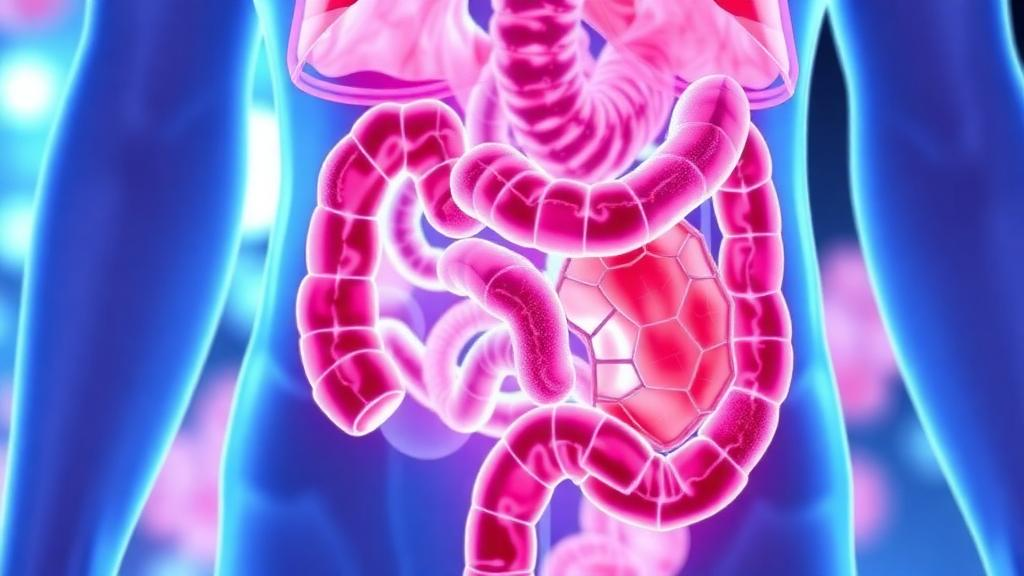
Trillions of microbes inhabit the human digestive tract, and a sweeping new study suggests their composition may carry fingerprints that differ not only between people with and without cancer, but also between specific cancer types and even between patients diagnosed at different ages. Researchers at Mayo Clinic analyzed stool samples from 1,364 patients with cancer, collected before any treatment began, and linked the microbial data to detailed clinical records covering cancer types, disease stages, treatments, side effects and outcomes. The analysis, drawn from the Mayo Clinic Cancer Microbiome cohort and published in the journal Cell, identified distinct gut microbiome patterns associated with five cancer groups and revealed microbial and metabolic differences in younger patients with colorectal and breast cancers compared with those diagnosed later in life.
The cohort behind the study is notable for its real-world design. Rather than enrolling a narrow, highly selected patient population, the researchers recruited people with cancer at Mayo Clinic sites in Arizona, Florida and Minnesota, ultimately capturing patients from 40 states. Because stool samples were gathered before treatment started, the researchers could examine the gut microbiome in a state relatively unaltered by chemotherapy, radiation or surgery, and then connect those baseline microbial profiles to what happened to patients afterward. This prospective structure allowed the team to ask two separate questions: whether the microbiome differs systematically across cancers, and whether microbes present before therapy are associated with how patients tolerate and respond to treatment.
To establish broad differences, the investigators first compared the patients with cancer against 287 people without the disease, identifying general microbiome distinctions between the two groups. They then moved to finer-grained comparisons across cancer types. After statistically accounting for other health conditions that could confound the results, the team pinpointed 341 bacterial species whose abundance was associated with five cancer groups. This two-step approach matters technically: by filtering out signals attributable to comorbidities, the researchers aimed to isolate microbial changes more specifically tied to the malignancies themselves rather than to general ill health.
The cancer-specific signals were striking in their variety. Patients with neuroendocrine tumors showed a broad loss of common health-associated gut bacteria, a pattern suggesting an erosion of the microbial community typically maintained in a healthy digestive tract. Patients with liver cancer and cancers of the intrahepatic bile ducts had elevated levels of several bacteria, including Enterococcus faecalis. Esophageal cancer was associated with higher levels of six species, among them bacteria of the genus Streptococcus. Distinct microbial links also emerged in lymphoid leukemia and in multiple myeloma and related plasma cell cancers, extending the microbiome-cancer association beyond solid tumors into hematologic malignancies.
“We can now narrow the search to those microbial changes that are most specific to individual cancers,” said Ruben Mars, Ph.D., a microbiome researcher at Mayo Clinic in Minnesota and co-corresponding author of the study. “Those are the signals we need to understand first if we want to determine whether the microbiome plays a causal role in cancer and ultimately develop targeted interventions.” The distinction Mars draws is an important one for the field. Associational studies can identify which microbes are present in which conditions, but establishing causation requires mechanistic work in models and, eventually, interventional trials. By cataloging the most cancer-specific signals, the study provides a prioritized map for that next phase of research.
Among the most timely findings are the age-related patterns. Colorectal and breast cancer rates are rising among younger adults: according to the American Cancer Society, colorectal cancer incidence is increasing about 3 percent per year among adults ages 20 to 49, while breast cancer incidence is rising 1.4 percent per year among women younger than 50. Against that backdrop, the Mayo Clinic team found that adults aged 50 or younger with colorectal or breast cancer carried microbiome patterns distinct from those of older patients with the same diseases. In early-onset colorectal cancer, patients had higher lactate levels and greater abundance of Veillonella parvula, a gut bacterium that feeds on lactate. The connection raises an intriguing biological question, because tumors can produce high levels of lactate, which V. parvula can use to grow. Whether that relationship contributes to early-onset disease is not yet known, but the overlap between tumor metabolism and microbial metabolism offers a concrete hypothesis to test.
Early-onset breast cancer showed an even broader microbial signature, with changes across 64 bacterial species and lower levels of primary bile acids. One of the differing species was Clostridium scindens, a bacterium known for its involvement in bile acid and steroid metabolism, a biochemical capacity that could plausibly intersect with hormone-related cancer biology. Notably, no comparable age-related microbiome differences appeared in brain cancer, the third cancer examined in the early-onset analysis, suggesting that the age-associated signals in colorectal and breast cancer are not a generic feature of being young with cancer. The researchers are careful to stress that these findings identify links that warrant further study; they do not establish that the microbial or metabolic differences cause early-onset disease.
The study also connected the pretreatment gut microbiome to patient outcomes. The researchers identified gut bacteria associated with survival in colorectal cancer, liver and intrahepatic bile duct cancer, ovarian cancer, prostate cancer and melanoma. In liver and intrahepatic bile duct cancer specifically, higher levels of Bifidobacterium longum were associated with longer survival, while Blautia A massiliensis was associated with shorter survival. These associations do not prove that the bacteria influence survival, but they demonstrate that microbial profiles measured before treatment carry information that tracks with long-term outcomes across multiple malignancies, a prerequisite for any future prognostic application.
Perhaps the most immediately actionable finding concerns chemotherapy side effects. The team examined whether the gut microbiome before treatment was associated with diarrhea during chemotherapy, a side effect that can force dose reductions or treatment interruptions. Among patients receiving 5-fluorouracil, or 5-FU, a widely used chemotherapy drug, those who later developed diarrhea had lower levels of bacterial genes capable of breaking down the drug. Much of that drug-metabolizing capacity came from Anaerostipes hadrus, a common gut bacterium. Critically, the same microbial signal was not linked to diarrhea in patients receiving carboplatin, a different chemotherapy agent, indicating the association was specific to 5-FU rather than a general marker of gastrointestinal sensitivity. That specificity is what makes the finding scientifically compelling: it suggests a mechanistic pathway in which microbes that metabolize a drug may influence its toxicity.
“The microbiome is not the sole driver of cancer or treatment outcomes, but it is an underappreciated component that has not traditionally been considered in therapeutic approaches,” said Purna Kashyap, M.B.B.S., co-corresponding author, director of the Mayo Clinic Microbiome Program and Bernard and Edith Waterman Director of the Microbiomics Program within the Mayo Clinic Center for Individualized Medicine. “This gives us a proof of concept that we can begin to understand why some patients experience a particular side effect and identify a target that could potentially be acted upon.” The researchers’ next steps follow directly from that logic: they plan to investigate whether the cancer-specific microbial signals play a causal role in disease and to validate the microbiome’s potential to predict treatment side effects in larger patient groups. The work was supported in part by the National Institutes of Health and by philanthropic gifts to the Mayo Clinic Microbiome Program and Center for Individualized Medicine. If the causal and predictive questions are answered affirmatively, a routine stool sample collected before treatment could one day help clinicians anticipate toxicity, tailor therapy and, perhaps, intervene on the gut ecosystem itself.
Subject of Research: Gut microbiome signatures associated with cancer types, early-onset cancers and chemotherapy side effects
Article Title: Distinct gut microbiome patterns found in 5 cancer groups and in early-onset cancers
Article References: Distinct gut microbiome patterns found in 5 cancer groups and in early-onset cancers. (n.d.). Original publication
Image Credits: AI Generated
DOI: Not provided
Keywords: gut microbiome, cancer, early-onset colorectal cancer, breast cancer, Veillonella parvula, 5-fluorouracil, chemotherapy diarrhea, Bifidobacterium longum, bile acids, neuroendocrine tumors, liver cancer, Mayo Clinic
Cite Scienmag News
Nathaniel Bowman. (October 11, 2026). Gut Microbiome Signatures Distinguish Five Cancer Types and Early-Onset Disease. Scienmag. https://scienmag.com/gut-microbiome-signatures-distinguish-five-cancer-types-and-early-onset-disease/
Nathaniel Bowman. "Gut Microbiome Signatures Distinguish Five Cancer Types and Early-Onset Disease." Scienmag, 11 October 2026, https://scienmag.com/gut-microbiome-signatures-distinguish-five-cancer-types-and-early-onset-disease/. Accessed 11 October 2026.
Nathaniel Bowman. "Gut Microbiome Signatures Distinguish Five Cancer Types and Early-Onset Disease." Scienmag. October 11, 2026. https://scienmag.com/gut-microbiome-signatures-distinguish-five-cancer-types-and-early-onset-disease/


