


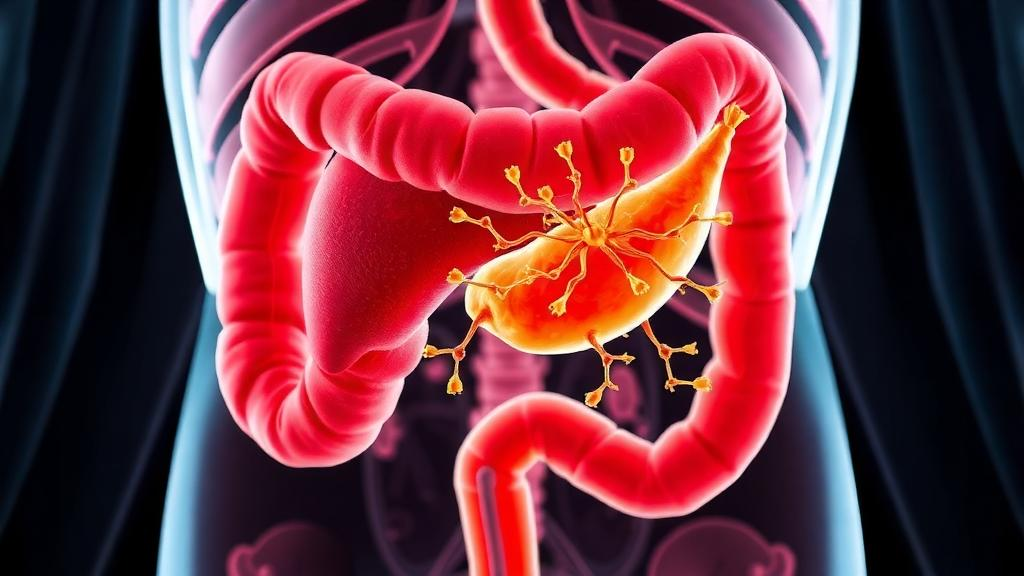
A common intestinal bacterium long associated with pneumonia and hospital-acquired infections may be playing a far more insidious role in chronic liver disease. In a new study published in the journal Gut Pathogens, researchers at Tianjin Medical University report that Klebsiella pneumoniae, a bacterium enriched in the guts of patients with primary biliary cholangitis, can physically cross a weakened intestinal barrier, travel to the liver, and trigger the hallmarks of the disease in laboratory mice. The findings, drawn from a combination of patient samples, fecal microbiota transplantation experiments, and molecular tracking techniques, offer one of the most direct demonstrations yet that gut dysbiosis is not merely a byproduct of liver disease but an active participant in its progression.
Primary biliary cholangitis, or PBC, is a chronic autoimmune condition in which the immune system slowly destroys the small bile ducts inside the liver. As bile accumulates and backs up, patients develop cholestatic liver injury, progressive scarring, and, in advanced cases, cirrhosis. The disease is strongly associated with anti-mitochondrial antibodies, particularly those targeting the pyruvate dehydrogenase complex component E2, yet the environmental triggers that set this autoimmune cascade in motion have remained frustratingly elusive. Genetic susceptibility accounts for only part of the story, and epidemiological studies have repeatedly pointed to gut microbes as potential culprits. What has been missing is a mechanistic account of how specific bacterial species might translate an altered gut community into immune attack on the bile ducts.
To close that gap, the research team established a mouse model in which healthy mice received fecal microbiota transplants from patients with PBC. The rationale was straightforward: if the gut community of PBC patients carries disease-promoting properties, transferring it into mice should reproduce at least some of the disease’s features. It did. Mice that received PBC-derived microbiota developed cholestatic liver injury, produced anti-mitochondrial antibodies, and showed pericholangitis, the inflammatory infiltration around bile ducts that defines the human disease. The researchers assessed liver damage through serological markers such as alanine aminotransferase and alkaline phosphatase, through histological examination, and through molecular assays, and found consistent evidence of hepatic inflammation in the transplanted animals.
Characterization of the gut microbiota by 16S rDNA sequencing revealed a community in disarray. Model mice showed a reduction in beneficial bacteria alongside an enrichment of potentially pathogenic organisms, including members of the genera Bacteroides and Aeromonas. Alongside these compositional shifts, the animals displayed measurable damage to the intestinal barrier, the single layer of epithelial cells and mucus that normally keeps the trillions of resident microbes safely compartmentalized within the gut lumen. Barrier integrity is a critical checkpoint in the gut-liver axis, because the liver receives the entire venous drainage of the intestine through the portal vein. When that barrier fails, microbial products and, as this study suggests, the microbes themselves gain direct access to hepatic tissue.
The pivotal discovery came when the team tracked Klebsiella pneumoniae specifically. Using bacterial culture, fluorescence in situ hybridization, and polymerase chain reaction, the researchers detected K. pneumoniae colonization in the livers of both the PBC-fecal-transplanted mice and, strikingly, in liver samples from patients with PBC. The abundance of the bacterium in the liver correlated positively with liver function indices, suggesting that the degree of bacterial translocation tracks with the severity of hepatic dysfunction. This is a significant observation because it moves K. pneumoniae from the category of a gut bystander, merely enriched in dysbiotic communities, to that of an invasive participant physically present at the site of tissue destruction.
To test whether the bacterium alone could drive the observed pathology, the investigators performed mono-colonization experiments, introducing K. pneumoniae into otherwise controlled animals. The results confirmed the bacterium’s pathogenic potential in this context: mono-colonized mice exhibited disruption of the intestinal barrier, translocation of the organism to the liver, liver injury, and disturbances in hepatic metabolic pathways. The bacterium, in other words, was sufficient to reproduce the core sequence of events seen in the fecal transplant model, from barrier breakdown to hepatic inflammation.
Transcriptomic analysis added a layer of molecular detail to the picture. RNA sequencing of liver tissue from the PBC-fecal-transplanted mice revealed significant activation of immune and inflammatory pathways alongside suppression of a broad range of metabolic pathways. Gene set enrichment analysis highlighted the scale of the transcriptional reprogramming, with differentially expressed genes clustering around inflammatory signaling while metabolic functions, including those related to bile acid handling, were dialed down. Because PBC is fundamentally a disease of bile flow, the suppression of bile acid metabolism by a translocated gut bacterium provides a plausible mechanism by which microbial invasion could accelerate the cholestatic process. The authors conclude that K. pneumoniae likely contributes to disease progression by impairing metabolic functions such as bile acid metabolism, in addition to stoking local inflammation.
The study also explored whether intervening on the microbial side could blunt the damage. When the researchers treated the PBC-fecal-transplanted mice with metronidazole, an antibiotic active against anaerobic and certain other bacteria, liver injury was partially alleviated, and some of the transcriptional pathways associated with K. pneumoniae were reversed. The partial nature of the rescue is itself informative. It suggests that while K. pneumoniae is an important driver, the dysbiotic community as a whole, including the enriched Bacteroides and Aeromonas populations and the broader loss of protective taxa, contributes to the disease phenotype. Antibiotic monotherapy, in this framing, is a blunt instrument that removes some offenders but does not restore the ecological balance of the gut.
Correlation analyses tying the microbial findings to clinical data strengthened the translational relevance of the work. Spearman correlation was used to evaluate relationships between microbiota composition and clinical parameters, and the hepatic transcriptome profiling linked the presence of translocated bacteria to specific gene expression signatures. The convergence of patient data and mouse experiments is what distinguishes this study from much of the correlative literature on the microbiome in liver disease. Rather than simply reporting that PBC patients have different gut communities, the team demonstrated that those communities can transfer disease traits, identified a specific translocating species, localized it in human and murine liver tissue, and showed that it is both sufficient to cause injury and partially targetable by an existing drug.
The implications reach beyond PBC. The gut-liver axis has been implicated in a widening range of conditions, from non-alcoholic steatohepatitis to alcoholic liver disease, and the methodological playbook used here, combining fecal microbiota transplantation, microbial tracking by culture and FISH, transcriptomics, and targeted intervention, offers a template for dissecting microbial contributions in other diseases. For PBC specifically, the findings raise the prospect of microbiome-directed therapies, whether through targeted antimicrobials, live biotherapeutics designed to restore barrier-protective taxa, or dietary and prebiotic strategies that suppress the expansion of translocation-competent pathogens. Considerable work remains before such approaches reach the clinic, including a fuller accounting of how K. pneumoniae crosses the epithelial barrier, how it survives hepatic immune defenses, and whether eliminating it alters the long-term course of the disease. But the study establishes a concrete, testable mechanism linking an altered gut ecosystem to autoimmune bile duct destruction, and it identifies a specific, cultivable bacterium as a promising therapeutic target in a disease that has long lacked one.
Subject of Research: The role of gut-derived Klebsiella pneumoniae translocation in driving hepatic inflammation in primary biliary cholangitis
Article Title: Gut-derived Klebsiella pneumoniae in primary biliary cholangitis patients translocates to liver and induces hepatic inflammation
Article References: Wang, X., Yang, H., Chu, H., Zhang, X., Li, J., Liu, M., Zhou, S., Yang, Z., Zhao, J., Wang, B., Ran, Y., Li, L., & Zhou, L. (2026). Gut-derived Klebsiella pneumoniae in primary biliary cholangitis patients translocates to liver and induces hepatic inflammation. Gut Pathogens. https://doi.org/10.1186/s13099-026-00880-y
Image Credits: AI Generated
DOI: 10.1186/s13099-026-00880-y
Keywords: primary biliary cholangitis, Klebsiella pneumoniae, gut-liver axis, fecal microbiota transplantation, gut microbiota, bile acid metabolism, intestinal barrier, liver inflammation, metronidazole, RNA sequencing, autoimmune liver disease, microbiome
Cite Scienmag News
Morgan Morrow. (October 6, 2026). Gut Bacterium Found Migrating to the Liver May Drive Autoimmune Bile Duct Disease. Scienmag. https://scienmag.com/gut-bacterium-found-migrating-to-the-liver-may-drive-autoimmune-bile-duct-disease/
Morgan Morrow. "Gut Bacterium Found Migrating to the Liver May Drive Autoimmune Bile Duct Disease." Scienmag, 6 October 2026, https://scienmag.com/gut-bacterium-found-migrating-to-the-liver-may-drive-autoimmune-bile-duct-disease/. Accessed 6 October 2026.
Morgan Morrow. "Gut Bacterium Found Migrating to the Liver May Drive Autoimmune Bile Duct Disease." Scienmag. October 6, 2026. https://scienmag.com/gut-bacterium-found-migrating-to-the-liver-may-drive-autoimmune-bile-duct-disease/


