


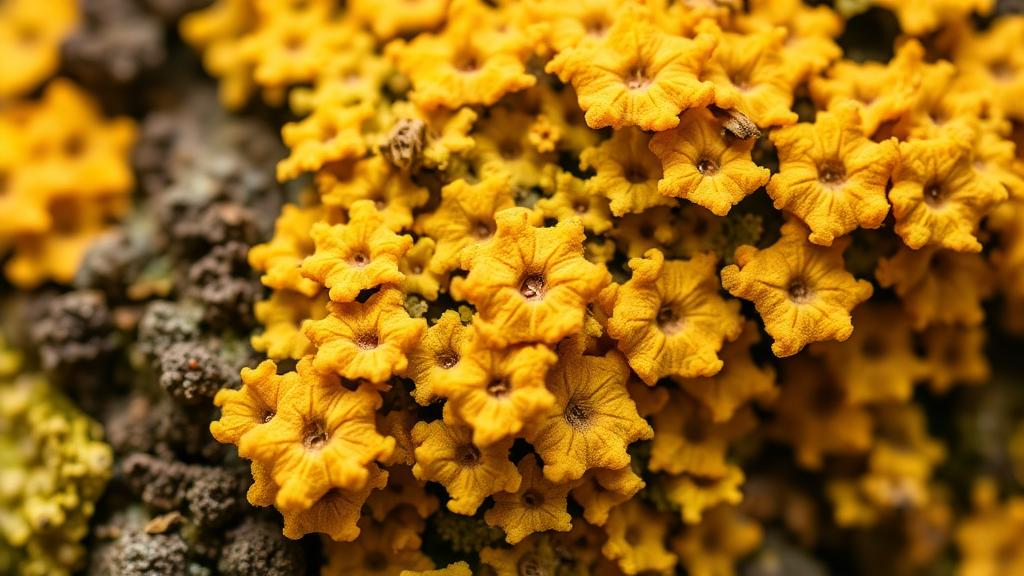
Lichens, those crusty, leafy and shrubby organisms that cling to rocks, tree bark and soil across the planet, have long been dismissed as botanical wallpaper. A sweeping new review published in Discover Chemistry argues they may instead be one of the most underexploited chemical treasure troves in nature. Written by Bijayananda Sahoo, Shubham Pradhan, Satyabrata Dash, Dalip Kumar Upreti and Biswajit Rath, the review synthesizes four decades of research, from 1986 to 2026, on the secondary metabolites produced by these fungal-algal partnerships, and concludes that lichens could become what the authors call “green gold” if modern biotechnology can unlock their full potential.
Lichens are not single organisms but symbiotic unions between a fungus, the mycobiont, and a photosynthetic partner, an alga or cyanobacterium, called the photobiont. Taxonomically, lichens are classified by their fungal partner, most of which belong to the phylum Ascomycota, with the class Lecanoromycetes being the largest and most species-rich group. Molecular phylogenetics has revealed that the lichenized lifestyle evolved independently in multiple fungal lineages, meaning lichens are not a single natural group but a symbiotic strategy that arose repeatedly during fungal evolution. They come in three principal growth forms: crustose, which forms tightly attached crusts; foliose, with leaf-like lobes; and fruticose, which are shrubby or hair-like. Finer variations include squamulose, gelatinous, leprose and dimorphic forms, each reflecting adaptations to distinct ecological niches.
The chemical heart of the story lies in lichen secondary metabolism. The fungal partner synthesizes an extraordinary array of compounds through polyketide pathways, depositing them as crystals on the surface of the thallus. Major chemical classes include depsides, polyphenolic compounds linked by ester bonds that show antimicrobial, antioxidant and photoprotective activity; depsidones, their cyclic-ether cousins, which often display stronger antimicrobial, antiviral and cytotoxic effects; dibenzofurans such as the famous usnic acid; anthraquinones; pulvinic acid derivatives; xanthones; and various nitrogen-containing alkaloids. Many of these molecules are found nowhere else in nature, and their ecological roles, shielding the thallus from ultraviolet radiation, deterring herbivores and suppressing microbial competitors, remain only partially understood despite decades of experimental work.
Biosynthetically, lichen metabolites flow from three main routes. The acetyl-malonate pathway is the dominant one, beginning with acetyl-CoA and successive malonyl-CoA condensations that build polyketide chains, which are then cyclized, oxidized, reduced and esterified into compounds such as atranorin, evernic acid, salazinic acid, stictic acid, fumarprotocetraric acid and the dibenzofuran usnic acid. The shikimate pathway, funneling through chorismic acid, yields the pulvinic acid pigments like vulpinic acid and calycin that paint lichens in yellow and orange hues while providing UV screening and antimicrobial defense. The mevalonate pathway produces terpenoids and sterols, including zeorin in Cladonia species, hopane-type terpenes in Ramalina and Parmelia, and ergosterol derivatives in Usnea and Evernia. Genomic studies have revealed that lichen-forming fungi harbor large numbers of silent or cryptic biosynthetic gene clusters, organized into coordinated clusters alongside tailoring enzymes such as cytochrome P450 monooxygenases, O-methyltransferases and glycosyltransferases, hinting that the true metabolic repertoire is far larger than anything observed under natural conditions.
How these compounds actually work is increasingly clear. Usnic acid, atranorin and salazinic acid disrupt bacterial and fungal membrane permeability, causing cytoplasmic leakage, while also interfering with essential microbial enzymes and blocking biofilm formation, a major driver of chronic infection and antibiotic resistance. Phenolic metabolites such as evernic acid and usnic acid neutralize reactive oxygen species and boost endogenous defenses like glutathione and antioxidant enzymes. Anti-inflammatory effects arise from inhibition of cyclooxygenase and lipoxygenase and the suppression of pro-inflammatory cytokine expression. On the cancer front, lichen metabolites trigger apoptosis by collapsing mitochondrial membrane potential, releasing cytochrome c and activating caspases, while also arresting the cell cycle and inhibiting angiogenesis. Depsidones such as stictic and norstictic acid have shown antiviral activity against herpes simplex virus in vitro by interfering with viral polymerases and genome replication.
The antimicrobial pedigree of lichens dates back to Burkholder’s pioneering 1944 report on antibiotic activity, followed by Vartia’s broader evidence. Screening studies since then suggest that more than half of all lichen species tested exhibit antimicrobial effects. Extracts of Ramalina farinacea and over 60 New Zealand species inhibited pathogens including Staphylococcus, Escherichia coli, Pseudomonas and Mycobacterium. Usnea ghattensis extracts suppressed multiple Bacillus species and Staphylococcus aureus, while Serbian lichens such as Cladonia furcata and Parmelia caperata were active against both bacteria and fungi. Notably, recent work indicates that usnic acid derivatives and atranorin analogs show enhanced activity against multidrug-resistant bacteria, including MRSA and Mycobacterium tuberculosis, a finding with obvious relevance as antibiotic resistance escalates worldwide.
Antioxidant and antitumor activities round out the pharmacological portfolio. Antarctic lichens display exceptionally high radical-scavenging capacity, with usnic, sekikaic and salazinic acids from Ramalina species proving effective against oxidative stress, and Usnea ghattensis extracts showing hepatoprotective benefits in models of ethanol-induced liver damage. In oncology, usnic acid exhibits antiproliferative effects across multiple cancer cell lines; pannarin from Psoroma species induced apoptosis in prostate carcinoma and melanoma cells; protolichesterinic acid from Cetraria islandica blocked breast cancer cell lines; and gyrophoric acid from Umbilicaria showed strong cytotoxicity. Diffractaic acid, usnic acid and decarboxystenosporic acid from Usnea diffracta demonstrated antipyretic, analgesic and anti-inflammatory effects, while atranorin, lecanoric acid and physodic acid added immunomodulatory properties to the list.
Beyond medicine, lichen chemistry reaches into the kitchen, the bathroom cabinet and the field. Lichens have been eaten for centuries: roughly 15 edible types are consumed in China, species like Parmotrema tinctorum and Everniastrum cirrhatum serve as food supplements in India and the Middle East, and Cladonia rangiferina and Cetraria islandica were traditionally baked into bread in parts of Europe. Parmelia perlata, known as black stone flower, is a prized spice in Indian biryanis and stews. In cosmetics, pulvinic acid derivatives and usnic acid act as natural UV filters with sun protection factors comparable to some commercial sunscreens, while phenolic extracts from Parmelia, Evernia and Cladonia neutralize the free radicals behind skin aging, and antimicrobial metabolites combat acne-causing Propionibacterium acnes. In agriculture, lichen compounds inhibit seed germination and root growth in weeds such as wild oat and barnyard grass, and larvicidal extracts from numerous species kill Aedes aegypti, Culex quinquefasciatus and Anopheles stephensi mosquitoes, offering ecofriendly alternatives to synthetic pesticides. Industrially, lichens supply natural dyes, including the purple orcein derived from lecanoric acid in Parmotrema tinctorum, and the oak moss and tree moss extracts of Evernia prunastri and Pseudevernia furfuracea remain fixtures of the global perfume industry.
Significant obstacles stand between this promise and commercial reality. Lichens grow extraordinarily slowly, often taking years to decades to form mature thalli, and their complex dual-organism biology makes artificial cultivation technically demanding. Metabolite profiles fluctuate with species, environment and season, complicating standardization, and some compounds show cytotoxicity at higher concentrations, demanding rigorous toxicity profiling before clinical use. The review’s authors see a way forward through microbial fermentation of lichen-associated fungi, heterologous expression of biosynthetic genes, metabolic engineering and synthetic biology, combined with green extraction strategies, high-throughput screening and government-backed entrepreneurial initiatives. If those tools mature, the authors argue, lichens could indeed become the “green gold” of sustainable bio-entrepreneurship, provided that conservation keeps pace with exploitation in biodiversity hotspots like the Himalayas, the Western Ghats and Northeastern India, where roughly 2,500 of the world’s estimated 30,000 lichen species reside.
Subject of Research: Bioactive secondary metabolites produced by lichens and their pharmaceutical, nutraceutical, cosmetic and agricultural applications
Article Title: Lichen metabolites as potential natural products: a review
Article References: Sahoo, B., Pradhan, S., Dash, S., Upreti, D. K., & Rath, B. (2026). Lichen metabolites as potential natural products: a review. Discover Chemistry, 3(1), Article 524. https://doi.org/10.1007/s44371-026-00932-x
Image Credits: AI Generated
DOI: 10.1007/s44371-026-00932-x
Keywords: lichens, secondary metabolites, usnic acid, natural products, antimicrobial, anticancer, antioxidant, polyketides, bioprospecting, symbiosis, cosmetics, biopesticides
Cite Scienmag News
Bethany Barker. (October 4, 2026). Lichens Emerge as Chemical Goldmines for Drugs, Cosmetics and Farming. Scienmag. https://scienmag.com/lichens-emerge-as-chemical-goldmines-for-drugs-cosmetics-and-farming/
Bethany Barker. "Lichens Emerge as Chemical Goldmines for Drugs, Cosmetics and Farming." Scienmag, 4 October 2026, https://scienmag.com/lichens-emerge-as-chemical-goldmines-for-drugs-cosmetics-and-farming/. Accessed 4 October 2026.
Bethany Barker. "Lichens Emerge as Chemical Goldmines for Drugs, Cosmetics and Farming." Scienmag. October 4, 2026. https://scienmag.com/lichens-emerge-as-chemical-goldmines-for-drugs-cosmetics-and-farming/


