


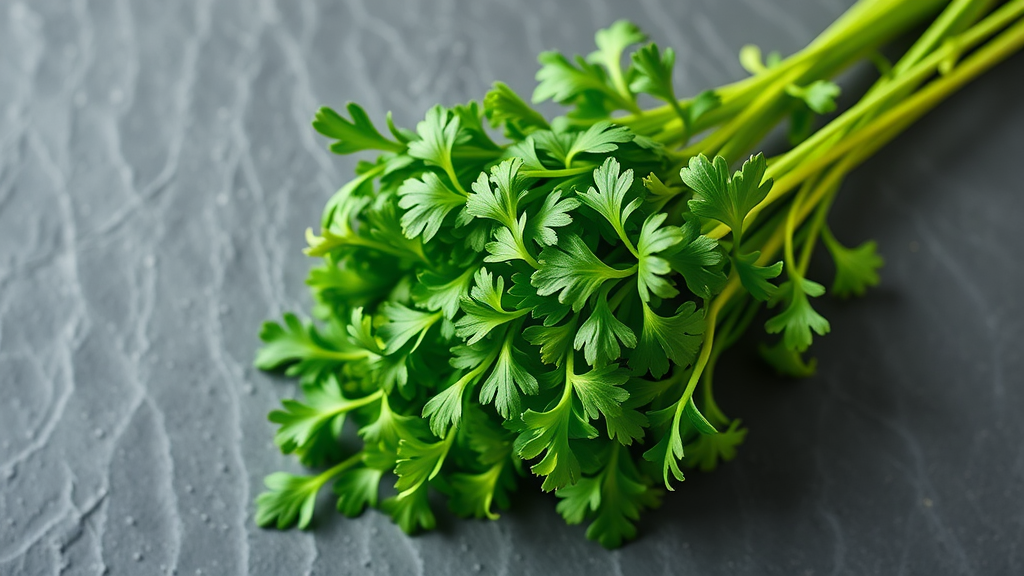
A humble herb that perfumes the kitchens of Southeast Asia may be hiding serious pharmacological muscle. A new systematic review published in BMC Complementary Medicine and Therapies has pulled together decades of scattered laboratory research on Polygonum odoratum, the aromatic plant better known as Vietnamese coriander or rau răm, and concluded that the evidence for its antimicrobial, antioxidant, anti-inflammatory, anticancer and organ-protective effects is broad, intriguing and, crucially, still almost entirely preclinical. The review, registered prospectively with PROSPERO and conducted according to the PRISMA reporting guidelines, screened four major electronic databases and identified 34 studies that met strict eligibility criteria. The verdict of the authors is carefully calibrated: the plant clearly does things in test tubes and in animal models, but nobody has yet proven that it does those things in people.
The research team, led by Mubarak Muhammad and Botan Salihi of Tishk International University in the Kurdistan Region of Iraq, together with colleagues from Koya University, Universiti Malaysia Sarawak and Universiti Malaya, set out to answer a question that global health authorities have been asking with growing urgency: can traditional medicinal plants be moved from folk knowledge into evidence-based conventional medicine? The World Health Organization has repeatedly noted the worldwide integration of traditional complementary medicine into everyday health care, and plants such as P. odoratum, which is consumed both as a culinary herb and as a remedy across Asia, represent exactly the kind of candidate that deserves rigorous scrutiny rather than anecdotal enthusiasm or dismissive neglect.
Methodologically, the review is a model of caution. The authors searched PubMed, Scopus, Google Scholar and ScienceDirect, applied a PICOS framework to define populations, interventions, comparisons, outcomes and study designs, and then assessed the quality of the included work using two separate instruments: the revised Cochrane Risk-of-Bias tool, known as RoB 2, for randomized trials, and SYRCLE’s risk-of-bias tool, which is tailored to preclinical laboratory animal studies. Because the studies differed so widely in plant extracts, doses, models and endpoints, the heterogeneity was judged too high for a meta-analysis, the statistical technique that pools numerical results across trials. Instead, the team provided descriptive summaries, a decision that reflects an honest reading of the data rather than an attempt to manufacture a single headline number from incomparable experiments.
What emerged from those 34 studies is a spectrum of biological activity that is unusually wide for a single botanical. The most consistently reported effects were antimicrobial and antioxidant. Extracts of the plant showed activity against a range of microorganisms, and the review highlights the abbreviation MRSA, methicillin-resistant Staphylococcus aureus, among the targets examined, a detail that will catch the eye of anyone tracking the antibiotic resistance crisis. Antioxidant activity, meanwhile, ties the herb to one of the central narratives of modern pharmacology: the scavenging of reactive oxygen species that damage DNA, proteins and lipids, and that underlie chronic inflammation, aging and a long list of degenerative diseases.
The molecular signatures reported across the included studies read like a map of the signaling pathways most intensively studied in current drug discovery. Researchers working with P. odoratum extracts have measured effects on nuclear factor kappa B, the master transcription factor of inflammation; on the Nrf2 pathway, the cellular thermostat for antioxidant defense; on the Akt/mTOR axis, a growth and survival circuit central to cancer biology; on mitogen-activated protein kinase signaling; and on inflammatory mediators such as tumor necrosis factor-alpha, interleukin-6, cyclooxygenase-2, inducible nitric oxide synthase and prostaglandin E2. Other studies traced changes in the balance of Bax and Bcl-2, proteins that decide whether a damaged cell lives or enters programmed death, and in matrix metalloproteinase-9 and vascular endothelial growth factor A, both implicated in tumor invasion and blood supply.
Those mechanisms translate into a striking range of reported outcomes. Beyond direct antimicrobial and free-radical scavenging effects, the review catalogued anti-inflammatory actions, anticancer effects, including modulation of cell cycle arrest at the G2/M transition and suppression of Epstein-Barr virus-related markers, and protective activities against a suite of organ-specific disorders. The abbreviation list of the paper hints at the breadth: streptozotocin-induced anti-diabetic models, experiments with human fetal osteoblasts, work on the HT-29 human colon tumor cell line, and even references to amyloid-beta 42, the peptide that aggregates in the brains of Alzheimer’s patients. In other words, laboratories around the world have thrown a remarkable variety of disease models at this one plant, and a meaningful fraction of those experiments have come back positive.
Quality assessment offered the review’s most reassuring finding. According to both the RoB 2 and SYRCLE instruments, the majority of the studies assessed demonstrated a low risk of bias. That matters because the systematic review literature on medicinal plants is littered with poorly controlled experiments, small sample sizes and selective reporting, problems that have rightly made clinicians skeptical of the field. Here, the authors found that a substantial share of the preclinical work met modern standards of rigor, which strengthens the case that the reported effects are genuine biological phenomena rather than artifacts of sloppy methodology. The review was funded by Tishk International University with additional support from Malaysia’s Higher Institution Centre of Excellence program, and the funders played no role in the design, analysis or interpretation of the study.
Yet the review’s headline conclusion is a warning as much as a promise. The entire evidence base is derived predominantly from in vitro experiments and animal studies, with only limited clinical data available. A plant extract that kills bacteria in a petri dish, dampens NF-kappa-B signaling in cultured cells and protects a mouse from chemically induced diabetes has cleared none of the hurdles that matter most to a physician: absorption, distribution, metabolism, toxicity at human doses, drug interactions and, above all, demonstrated benefit in randomized, placebo-controlled human trials. History is full of botanical compounds that dazzled in the laboratory and vanished at the clinic door, and the authors are explicit that well-designed clinical trials and further mechanistic investigations are warranted before any recommendation can be made for integrating P. odoratum into conventional practice.
The translational path forward is nonetheless concrete. The diversity of activities documented in the review suggests that the plant’s secondary metabolites, the chemical compounds it produces for its own defense, interact with multiple pharmacological targets at once, a profile that could yield lead molecules for antibiotic adjuncts, anti-inflammatory agents or antioxidant therapeutics. Standardizing extracts, isolating the active constituents and identifying the precise molecular interactions would be the natural next steps, followed by the preclinical toxicology that separates a promising phytochemical from a drug candidate. The review’s descriptive framework gives researchers a consolidated map of what has already been tested, which plant parts and extraction methods were used, which pathways were probed and where the gaps in coverage lie, potentially saving years of duplicated effort.
For now, the significance of the paper lies less in any single result than in its demonstration that a widely eaten herb has accumulated a serious, quality-controlled body of laboratory evidence. Polygonum odoratum has traveled from market stalls in Hanoi and Bangkok through 34 peer-reviewed studies to a formal systematic review registered in PROSPERO, and it arrives there with its reputation intact but its clinical file nearly empty. Whether the Vietnamese coriander on a dinner plate becomes the source of a future prescription will depend on the clinical trials the authors call for, and on whether the pathways modulated in glass dishes and animal models survive the far harsher test of the human body. The herb, at least, has earned the chance to make that attempt.
Subject of Research: Systematic review of the antimicrobial, antioxidant and other biological activities of the medicinal plant Polygonum odoratum
Article Title: Exploration of Polygonum odoratum as a medicinal plant with promising antimicrobial and antioxidant effects for translational use in conventional medicine: a systematic review
Article References: Muhammad, M., Salihi, B., Star, H., Abdullah, Y. A., Hama-Salim, H., Hama, H. A., Ali, A., Chung, H. H., & Loong, S. K. (2026). Exploration of Polygonum odoratum as a medicinal plant with promising antimicrobial and antioxidant effects for translational use in conventional medicine: a systematic review. BMC Complementary Medicine and Therapies. https://doi.org/10.1186/s12906-026-05577-y
Image Credits: AI Generated
DOI: 10.1186/s12906-026-05577-y
Keywords: Polygonum odoratum, Vietnamese coriander, antimicrobial, antioxidant, systematic review, medicinal plants, anti-inflammatory, anticancer, MRSA, preclinical studies, traditional medicine, drug discovery
Cite Scienmag News
Ophelia Keating. (September 23, 2026). Vietnamese Coriander Shows Antimicrobial and Antioxidant Promise in Systematic Review. Scienmag. https://scienmag.com/vietnamese-coriander-shows-antimicrobial-and-antioxidant-promise-in-systematic-review/
Ophelia Keating. "Vietnamese Coriander Shows Antimicrobial and Antioxidant Promise in Systematic Review." Scienmag, 23 September 2026, https://scienmag.com/vietnamese-coriander-shows-antimicrobial-and-antioxidant-promise-in-systematic-review/. Accessed 23 September 2026.
Ophelia Keating. "Vietnamese Coriander Shows Antimicrobial and Antioxidant Promise in Systematic Review." Scienmag. September 23, 2026. https://scienmag.com/vietnamese-coriander-shows-antimicrobial-and-antioxidant-promise-in-systematic-review/


