Water pollution has become one of the defining environmental crises of the modern era, and a comprehensive new review published in the journal Blue Biotechnology argues that the most promising long-term answer may already be living in the water itself. The review, led by Chayanika Putatunda and colleagues including Abhishek Walia, brings together the latest evidence on how bacteria, archaea, algae and fungi metabolize the staggering variety of contaminants that now choke rivers, lakes, groundwater and oceans. Only around 2.8 percent of the water on Earth is available for human consumption, the authors note, and that limited supply is being degraded by industrial waste, sewage, agricultural runoff, petroleum spills and an ever-growing tide of synthetic chemicals. Against this backdrop, the review makes the case that microbe-based bioremediation, which harnesses microbial metabolism to convert toxic compounds into harmless byproducts such as carbon dioxide and water, offers a cost-effective, eco-friendly and durable strategy for aquatic cleanup.
The scale of the contamination problem is sobering. Sewage alone carries a high load of biodegradable organic matter that raises the biological oxygen demand of receiving waters, starving fish and other aquatic animals of dissolved oxygen as heterotrophic microbes multiply. It also delivers chloride, nitrate and phosphate ions that drive eutrophication and algal blooms, along with a suite of emerging contaminants such as pharmaceuticals and personal care products. Industrial effluents add their own burden: pulp and paper mills release chlorinated compounds such as furans, chlorophenols and dioxins, while molasses-based distilleries produce spent wash with chemical oxygen demand values that can reach 100,000 milligrams per liter, hindering photosynthesis and contaminating soil. Petroleum spills blanket the water surface, cutting off air supply and creating anoxic dead zones, while crude oils rich in polycyclic aromatic hydrocarbons and heavy metals pose serious risks to both marine life and human health as they pass up the food chain through biomagnification.
Perhaps no pollutant illustrates the modern challenge better than plastic. An estimated 5.25 trillion plastic particles, weighing more than 270,000 metric tons, are thought to float in the world’s oceans, and larger debris fragments into microplastics under the combined assault of seawater, mechanical abrasion and ultraviolet light. Roughly 77 percent of microplastic emissions stem from household activities such as tire abrasion, fabric washing and urban dust. Beyond their direct toxicity, microplastics act as vectors for pathogens and absorb poisonous substances, and the prevalence of coral reef diseases has been reported to jump from 4 percent to 89 percent in areas affected by plastic pollution. The review also highlights a class of emerging contaminants that includes endocrine-disrupting chemicals such as bisphenol A and phthalates, the notoriously persistent per- and polyfluoroalkyl substances known as PFAS, nanomaterials such as carbon nanotubes and nanoplastics, and industrial byproducts including dioxins and heavy metals, all of which are difficult to monitor yet capable of bioaccumulation and chronic toxicity.
The core argument of the review is that microbial metabolism, in both its direct and co-metabolic forms, can digest this remarkable range of pollutants. Bacteria isolated from oil-contaminated soils, including Pseudomonas aeruginosa and Bacillus subtilis, have been shown to break down more than 80 percent of petroleum hydrocarbons within 48 hours by using them as carbon sources. The hydrocarbonoclastic marine bacterium Alcanivorax borkumensis converts alkanes into fatty acids and ultimately carbon dioxide through beta-oxidation, playing a central role in oil spill cleanup at sea, while the cold-adapted species Oleispira antarctica degrades hydrocarbons at low temperatures, making it valuable for deep-sea contamination scenarios. Co-metabolism extends this capability further: Enterobacter strain ATA1 degrades the neonicotinoid pesticide imidacloprid when supplied with one percent glucose, and Bacillus licheniformis B 1 co-metabolizes the pyrethroid beta-cypermethrin using supplemental carbon. These reactions rely on a versatile enzymatic toolkit of oxidations, reductions, hydrolyses, dehalogenations, decarboxylations and condensations that together dismantle even recalcitrant molecules.
One of the review’s distinctive contributions is its comparative treatment of all major microbial taxa, including extremophiles. Haloarchaea such as Haloarcula vallismortis strain EH4, first isolated in France in 1990, degrade hydrocarbon pollutants in hypersaline salt marshes where conventional microbes fail, and oil contamination in marine sediments has been shown to enrich communities of the Halobacteriaceae family. Thermophilic and acidophilic archaea such as Sulfolobus solfataricus can operate in hot industrial wastewater streams, while species capable of oxidizing arsenite to the less toxic arsenate or reducing toxic mercury to its elemental form offer pathways for metal detoxification. The hyperthermophile Pyrobaculum can even immobilize radioactive uranium by reductive precipitation, a capability relevant to treating high-temperature, metal-contaminated wastewaters. Genomic sequencing has confirmed the presence of arsenite oxidase and mercury reductase genes across archaeal lineages, lending molecular weight to these observations, although the authors concede that culturing difficulties have slowed progress in this field.
Bacteria remain the workhorses of aquatic bioremediation, and modern screening techniques such as microfluidics and high-throughput sequencing have identified more than 79 hydrocarbon-degrading bacterial genera. Mesophilic genera including Pseudomonas, Gordonia, Sphingomonas, Rhodococcus, Mycobacterium and Acinetobacter, alongside thermophilic Bacillus, Geobacillus and Aeribacillus, cleave aliphatic hydrocarbons through oxygenase and dioxygenase pathways. Recent results underscore the momentum in this area: in 2023, two native Pseudomonas strains from refinery effluents were shown to degrade benzo(a)pyrene via catechol meta-cleavage, an immobilized agent of Gordonia alkanivorans W33 remediated petroleum-contaminated soil over 45 days, and Geobacillus kaustophilus HTA426 isolated from the Mariana Trench was found to express a unique manganese-iron alkane monooxygenase evolved from a ribonucleotide reductase subunit. Bacteria also tackle heavy metals as biosorbents, with cell walls and membranes offering amine, carboxyl, hydroxyl and phosphoryl groups that bind metal ions, while redox reactions such as the reduction of chromium(VI) to chromium(III) by Bacillus cereus and Shewanella species immobilize the most dangerous forms.
Algae and fungi bring complementary strengths to the cleanup portfolio. Phycoremediation, the algal equivalent of microbial treatment, removes dyes, phenolics and pesticides through biosorption while stripping nitrogen and phosphorus that fuel eutrophication, and studies cited in the review suggest operational cost savings of up to 90 percent alongside significant reductions in biochemical oxygen demand, chemical oxygen demand and sludge formation. Microalgae such as Chlamydomonas, Chlorella and Scenedesmus produce extracellular polymeric substances rich in carboxyl, hydroxyl, phosphate and amino groups that bind hydrophobic organics and metal ions through emulsification and biosorption. Fungi, the foremost decomposers of the natural world, deploy ligninolytic enzymes including laccases, lignin peroxidases and manganese peroxidases to dismantle polycyclic aromatic hydrocarbons, persistent organic pollutants and textile dyes, with white-rot species such as Phanerochaete chrysosporium, Trametes versicolor and Pleurotus ostreatus leading the field. Dead Aspergillus brasiliensis biomass has removed up to roughly 36.8 milligrams of lead and 24.5 milligrams of cadmium per gram from industrial effluent, and the salt-tolerant laccase of the marine fungus Trichoderma viride degrades phenolic hydrocarbons under high-salinity conditions.
Looking forward, the review identifies artificial microbial consortia, enzyme engineering, nanotechnology and machine learning as the next frontier. Heterogeneous communities outperform monocultures because they exploit resources more efficiently and resist ecological disturbances ranging from antibiotic exposure to invasion by non-native strains. Immobilized cells, which persist longer and tolerate environmental fluctuations better than free-living populations, are emerging as a preferred format for degrading persistent pesticides, and genetically engineered organisms can mineralize contaminants that defeat native strains, although the authors caution that releasing modified microbes risks disturbing ecological balance. Recombinant DNA technology, bioinformatically assisted mutagenesis and immobilization of enzymes on nanomaterials are all being deployed to discover and stabilize new degradative catalysts, while multi-omics approaches are mapping the genes such as alkB, assA, bssA and mcrA that underpin anaerobic and aerobic hydrocarbon breakdown.
Significant hurdles remain before laboratory promise translates into field-scale success. The authors stress that no single technology will eliminate aquatic pollution entirely, and they call for hybrid treatment systems that combine biological processes with photo- and electro-Fenton chemistry, UV photolysis and ozonization, alongside rigorous reaction kinetics studies, reactor design optimization and techno-economic feasibility assessments. Community stability in bioreactors, where fast-growing free riders can erode performance, must be engineered alongside degradation efficiency, and greener nanoparticle synthesis routes are needed to avoid trading one contamination problem for another. Yet the overall message is one of cautious optimism. With their metabolic plasticity, rapid growth, genetic tractability and capacity to thrive in conditions hostile to almost everything else, microorganisms represent what the review describes as a transformative shift toward targeted, adaptive and sustainable environmental cleanup, one that pairs cutting-edge biotechnology with the oldest detoxification machinery on the planet.
Subject of Research: Microbial metabolism and bioremediation of aquatic pollutants including hydrocarbons, pesticides, plastics, heavy metals and emerging contaminants
Article Title: Microbial metabolism of aquatic pollutants: recent trends and future perspective
Article References: Putatunda, C., Solanki, P., Bhatia, R., Kakkar, P. M., & Walia, A. (2025). Microbial metabolism of aquatic pollutants: recent trends and future perspective. Blue Biotechnology, 2(1), Article 26. https://doi.org/10.1186/s44315-025-00048-4
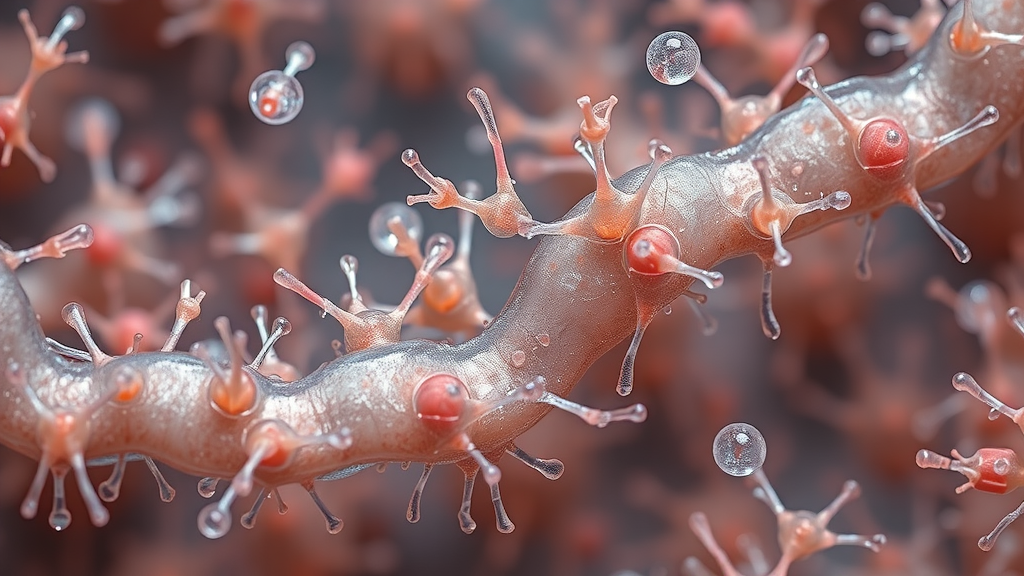
Image Credits: AI Generated
DOI: 10.1186/s44315-025-00048-4
Keywords: bioremediation, aquatic pollution, microbial metabolism, hydrocarbon degradation, heavy metals, microplastics, emerging contaminants, PFAS, phycoremediation, mycoremediation, co-metabolism, biosorption
Cite Scienmag News
Drew Townsend. (September 23, 2026). Microbes Offer a Powerful New Way to Break Down the World’s Aquatic Pollutants. Scienmag. https://scienmag.com/microbes-offer-a-powerful-new-way-to-break-down-the-worlds-aquatic-pollutants/
Drew Townsend. "Microbes Offer a Powerful New Way to Break Down the World’s Aquatic Pollutants." Scienmag, 23 September 2026, https://scienmag.com/microbes-offer-a-powerful-new-way-to-break-down-the-worlds-aquatic-pollutants/. Accessed 23 September 2026.
Drew Townsend. "Microbes Offer a Powerful New Way to Break Down the World’s Aquatic Pollutants." Scienmag. September 23, 2026. https://scienmag.com/microbes-offer-a-powerful-new-way-to-break-down-the-worlds-aquatic-pollutants/