


For millions of people living with type 1 diabetes, an intimate question has long gone unasked in clinic rooms: is sex dangerous? Fear of hypoglycaemia — the potentially dangerous drop in blood sugar that can occur during physical exertion — has quietly shaped decisions about intimacy, sometimes leading people to avoid it altogether. Now, new research presented at the Annual Meeting of the European Association for the Study of Diabetes (EASD) in Milan, Italy, offers the first objective answer. Using continuous glucose monitoring (CGM) devices, a small prospective study led by Dr Dominica Orłowska of the Medical University of Warsaw in Poland found that sexual intercourse does not appear to increase the risk of clinically significant hypoglycaemia in adults with type 1 diabetes, even when it takes place at night, the period already associated with the greatest danger of severe and unrecognised low blood sugar.
The study is notable less for its size than for its novelty. Until now, all evidence on this topic came from questionnaires and interviews rather than measured physiology. In one frequently cited survey of 53 young adults with type 1 diabetes, roughly one third reported fearing hypoglycaemia during sexual activity. But no one had ever tracked what actually happens to blood glucose in the hours surrounding sex. The Warsaw team set out to close that gap by combining real-time CGM data with participant-reported events, creating the first objective physiological picture of glucose dynamics during and after sexual intercourse in people with type 1 diabetes.
Dr Orłowska explained the clinical reasoning behind the research. On paper, sex is physical exertion like any other, and exertion lowers glucose. In practice, however, it behaves differently from planned exercise. A person preparing for a workout can reduce an insulin dose, eat carbohydrates beforehand, or activate an exercise mode on an insulin pump. Sexual activity, by contrast, is usually spontaneous, and it typically occurs in the evening or at night — precisely the window in which severe and unnoticed hypoglycaemia is most likely. Compounding the problem, she noted, is silence: patients routinely discuss exercise with their diabetologists and receive concrete advice, but almost nobody asks about sex, so the fear is never addressed. Yet sexual life is central to quality of life, and fear of hypoglycaemia can lead people to avoid intimacy entirely.
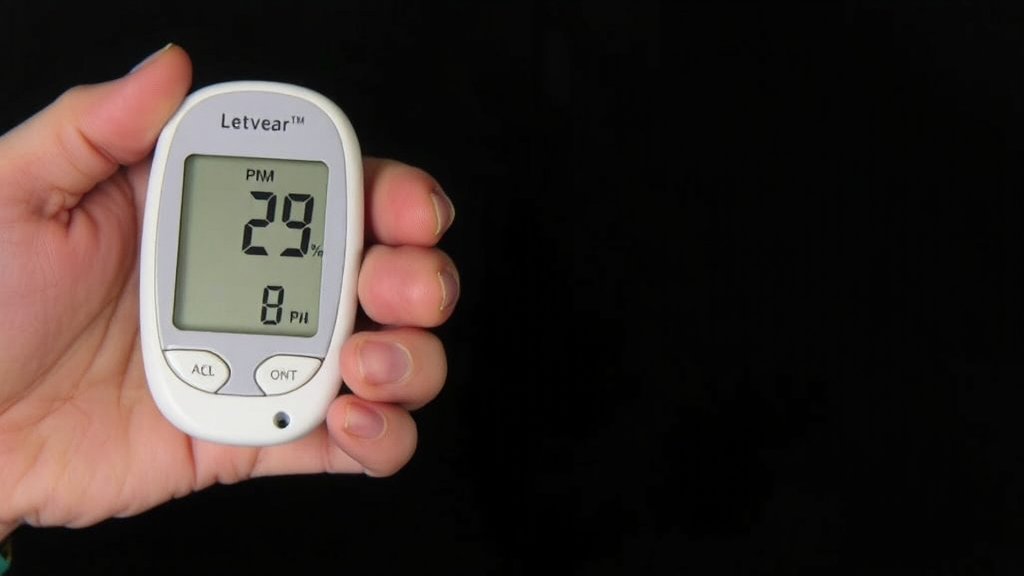
To investigate, the researchers enrolled 12 adults with type 1 diabetes — seven women and five men — in a prospective observational study. Participants had a median age of 36 years, ranging from 21 to 64, and a mean body mass index of 24 kg/m². All wore CGM devices, either the FreeStyle Libre 2 or the Guardian 4. Six were treated with multiple daily insulin injections and six with insulin pump therapy, including two using automated insulin delivery systems. None of the five male participants reported erectile dysfunction. Over a three-month period, participants marked each instance of sexual intercourse in their CGM application, allowing the researchers to analyse glucose data from two hours before to six hours after every event.
In total, 110 sexual intercourse events were recorded. A telling behavioural detail emerged: all participants using insulin pump therapy reported removing their devices during sex, meaning glucose readings during the events themselves came from the surrounding CGM trace rather than pump-integrated data. Despite the potential for exertion-related glucose drops, no clinically significant hypoglycaemia was observed anywhere in the dataset. Blood sugar changes were also unrelated to insulin therapy mode or to how long a participant had lived with diabetes, suggesting the response pattern is broadly consistent across treatment approaches.
The most striking finding was the bidirectionality of the glucose response. In 64 events, representing 58 percent of the total, mean post-intercourse glucose fell by 27 percent, from 180 to 132 mg/dL — a statistically significant decrease. In the remaining 46 events, or 42 percent, glucose rose by 34 percent, from 122 to 164 mg/dL, also statistically significant. Both increasing and decreasing patterns were observed within every single participant, meaning no individual could be classified as a consistent
The direction of the glucose response was not random. Higher glucose levels before intercourse were associated with a greater subsequent fall when glucose declined, and with a smaller rise when glucose increased, suggesting the body’s response may partly depend on the starting metabolic state. This bidirectional pattern echoes what is known about exercise physiology more broadly: physical activity typically lowers glucose by increasing muscle glucose uptake, but factors such as adrenaline, anticipatory stress, and circulating insulin levels can push glucose in the opposite direction. Sexual activity combines elements of exertion with emotional arousal, and the new data suggest these competing forces can net out in either direction in any given encounter.
Timing emerged as a meaningful variable. Of the 110 recorded events, 66 occurred at night, defined as between 20:00 and 06:00, and these nighttime events were associated with a statistically significant reduction in glucose levels, from a mean of 165 to 147 mg/dL. Daytime events, numbering 44, produced essentially no change, with mean glucose moving only from 144 to 143 mg/dL. The researchers also found no difference between mean glucose measured two hours after intercourse and six hours after, indicating that any glucose effects of sexual activity had largely settled within the first two hours rather than producing delayed drops hours later. That detail matters clinically, since delayed-onset hypoglycaemia is a well-recognised hazard after vigorous exercise and a common source of anxiety among people using insulin.
Body composition appeared to influence the response as well. Participants with a body mass index of 25 or higher showed a statistically significant post-intercourse glucose decrease of 10.7 percent, from 150 to 134 mg/dL, while those with a BMI under 25 showed a smaller, non-significant decline of 5.6 percent, from 159 to 150 mg/dL. The authors suggest this may reflect differences in energy expenditure, insulin sensitivity, or muscle mass, though the small sample size makes it impossible to draw firm conclusions. Diabetes duration, meanwhile, had no detectable effect on glucose responses, and neither did the mode of insulin delivery, whether multiple daily injections, conventional pump therapy, or automated insulin delivery.
The study’s limitations deserve emphasis. Twelve participants and 110 events are enough to generate hypotheses and provide reassurance, but not enough to establish definitive risk estimates for subgroups. All participants were adults in mid-life on average, with a normal mean BMI, and none of the men reported erectile dysfunction, so the findings may not extend to people with diabetes-related sexual dysfunction, older adults, or those with hypoglycaemia unawareness, a condition in which the normal warning symptoms of falling glucose are blunted. People with impaired awareness of hypoglycaemia are generally considered at higher risk during any unplanned activity, and clinicians may reasonably advise more cautious monitoring for them regardless of these results.
There is also the question of what the CGM trace can and cannot capture. Because every pump user removed their device during intercourse, the analysis relied on interstitial glucose readings from the surrounding period, and interstitial glucose lags behind blood glucose by several minutes to more than a quarter of an hour. Rapid changes during the event itself could therefore be somewhat smoothed or delayed in the recorded data. The researchers defined clinically significant hypoglycaemia according to standard thresholds used in diabetes research, and no readings crossed those thresholds, but the study was not powered to detect rare events. A single severe episode among hundreds of encounters would not necessarily appear in a dataset of this size.
Even with those caveats, the findings carry practical weight for clinical counselling. Diabetes care guidelines encourage clinicians to discuss the impact of physical activity on glucose, but sexual activity is rarely mentioned, and patients rarely raise it themselves. Dr Orłowska and her colleagues argue that the silence itself is harmful: fear of hypoglycaemia during sex can lead to avoidance of intimacy, strain on relationships, and reduced quality of life, all of which are recognised concerns in diabetes care yet seldom addressed in routine consultations. Objective evidence that intercourse does not typically provoke dangerous glucose lows gives clinicians a concrete, evidence-based starting point for those conversations.
The results also offer a framework for individualised advice rather than blanket reassurance. Because starting glucose level, time of day, and BMI all appeared to shape the glucose response, people with type 1 diabetes and their clinicians can use these factors when thinking about personal risk. Someone beginning sexual activity with a glucose level already trending low at night may reasonably choose to check a reading beforehand or keep fast-acting carbohydrates within reach, while someone starting from a higher glucose level may see little change or even a rise. The observation that glucose effects settled within two hours, with no delayed divergence at the six-hour mark, may further ease worries about overnight lows following evening intimacy.
The authors close with a reminder about technology access. In an ideal world, they note, every person with type 1 diabetes would use continuous glucose monitoring; those who do not may have no way of knowing whether they experience hypoglycaemia during sex or in any other setting. For the growing number of CGM users, however, the device itself offers a simple tool: marking events and reviewing the surrounding trace can turn an abstract fear into personal data. As the first study to measure glucose objectively in this context, the Warsaw work transforms a question that has lived only in surveys and unspoken anxieties into an answerable physiological one, and it opens the door to larger studies in more diverse populations.
Subject of Research: Glucose responses to sexual intercourse in adults with type 1 diabetes measured by continuous glucose monitoring
Article Title: Sex is safe in type 1 diabetes, shows small study using continuous glucose monitoring devices
Article References: Sex is safe in type 1 diabetes, shows small study using continuous glucose monitoring devices. (n.d.). Original publication
Image Credits: AI Generated
DOI: Not provided
Keywords: type 1 diabetes, continuous glucose monitoring, hypoglycaemia, sexual intercourse, EASD, blood glucose, insulin therapy, quality of life, observational study, Medical University of Warsaw, nocturnal hypoglycaemia, diabetes counselling
Cite Scienmag News
Courtney Benton. (September 20, 2026). Continuous Glucose Monitoring Shows Sex Is Safe for People With Type 1 Diabetes. Scienmag. https://scienmag.com/continuous-glucose-monitoring-shows-sex-is-safe-for-people-with-type-1-diabetes/
Courtney Benton. "Continuous Glucose Monitoring Shows Sex Is Safe for People With Type 1 Diabetes." Scienmag, 20 September 2026, https://scienmag.com/continuous-glucose-monitoring-shows-sex-is-safe-for-people-with-type-1-diabetes/. Accessed 20 September 2026.
Courtney Benton. "Continuous Glucose Monitoring Shows Sex Is Safe for People With Type 1 Diabetes." Scienmag. September 20, 2026. https://scienmag.com/continuous-glucose-monitoring-shows-sex-is-safe-for-people-with-type-1-diabetes/


