


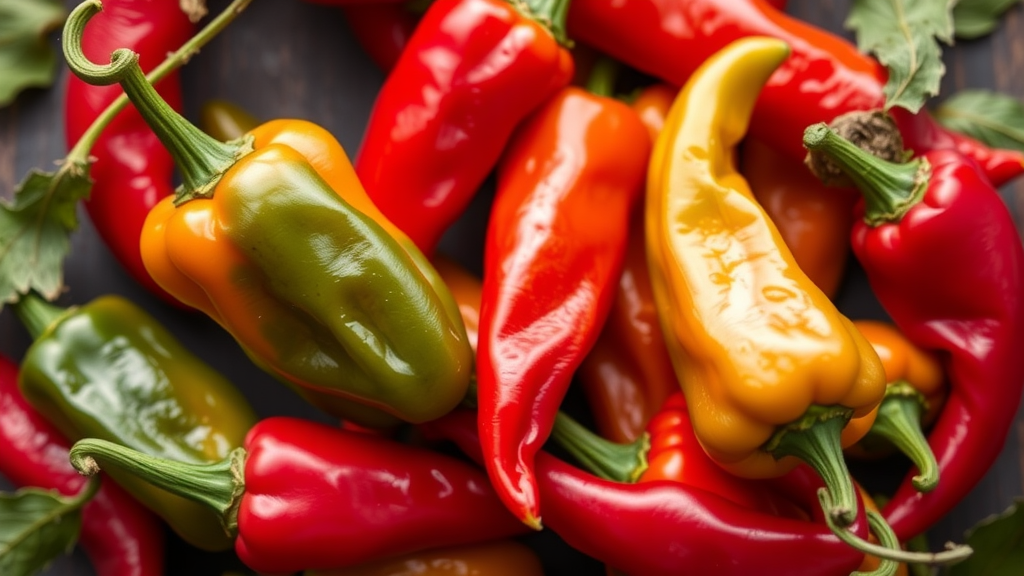
Chili pepper, one of the world’s most beloved and economically important spice crops, is facing an increasingly hostile climate. A comprehensive new review published in Plant Cell Reports brings together decades of research on how Capsicum annuum L. copes with heat stress, revealing an intricate web of molecular defenses and outlining practical strategies that growers and breeders can deploy to protect yields. As global temperatures continue their relentless climb, the findings arrive at a pivotal moment for pepper farmers from South Asia to the Mediterranean, where even short heatwaves can devastate harvests and slash fruit quality.
The severity of heat damage to chili plants depends on several interacting factors: the intensity of the temperature spike, how long it lasts, and the developmental stage of the plant at the time of exposure. Perhaps the most alarming revelation highlighted in the review concerns reproduction. While vegetative growth can often withstand moderate thermal stress, flowering and fruit set are exquisitely sensitive to elevated temperatures. Pollen viability collapses, anther development falters, and pollen tube growth slows dramatically, leading to flower abortion and poor fruit formation. Because fruit is the harvestable product, these reproductive failures translate directly into economic losses. Studies of bell pepper flowers have shown that particular developmental stages and organs differ markedly in their vulnerability, meaning a heatwave that strikes at the wrong moment can wipe out an entire fruiting cycle.
At the cellular level, heat inflicts damage through multiple channels. Photosynthesis is among the first casualties, as the photosynthetic machinery in chloroplasts becomes destabilized at high temperatures, reducing carbon assimilation and energy production. Membranes, the lipid barriers that maintain cellular compartmentalization, lose their integrity as heat disrupts fatty acid packing, increasing electrolyte leakage. Meanwhile, the cell overproduces reactive oxygen species, highly reactive molecules that oxidize and destroy proteins, DNA, and lipids in a cascade known as oxidative stress. The combined assault threatens the fundamental architecture of the cell, and if unchecked, leads to tissue death and plant decline.
Chili peppers, however, are not passive victims. The review emphasizes that plants mount a sophisticated multi-layered molecular counterattack, orchestrated by stress-responsive transcription factors. Among the key players are heat shock proteins, or HSPs, molecular chaperones that stabilize and refold damaged proteins, preventing them from aggregating into toxic clumps. In chili, several HSP families have been characterized in detail, including the small HSP family CaHsp20, the Hsp70 family, and specific members such as CaHsp25.9, CaHSP16.4, and CaHSP18.1a, each of which has been shown to enhance tolerance not only to heat but also to drought and salinity. Knocking down one chaperone, CaHSP60.6, renders pepper plants markedly more sensitive to heat, underscoring how essential these proteins are to survival.
Transcription factors act as the master switches of this response. Heat shock transcription factors such as CaHsfA1d bind to the promoters of heat-responsive genes, activating their expression and coordinating the entire thermotolerance program. The WRKY family, exemplified by CaWRKY40, which contains a conserved double-W box enabling autoregulation during both pathogen attack and heat stress, integrates heat signaling with immune responses. NAC-type transcription factors, a large and versatile family in pepper, balance growth with defense; CaNAC4 and CaNAC46 have been implicated in abiotic and biotic stress responses, while NAC2c helps manage the trade-off between development and protection. This regulatory network does not act in isolation: calcium signaling through plasma membrane channels, calmodulin, mitogen-activated protein kinases, and hormone pathways all converge to fine-tune the response.
Antioxidant systems form another critical pillar of thermotolerance. Enzymes such as superoxide dismutase, catalase, peroxidase, and components of the ascorbate-glutathione cycle work in concert to neutralize reactive oxygen species before they cause irreversible damage. Non-enzymatic antioxidants, including ascorbic acid, polyphenols, and the pepper’s signature capsaicinoids, contribute additional scavenging capacity. Osmolytes such as proline and glycine betaine accumulate in cells, stabilizing proteins and membranes while maintaining osmotic balance. Heat-tolerant pepper genotypes consistently display higher proline content, faster photosynthetic recovery, and more robust antioxidant activity than susceptible lines, providing breeders with measurable physiological markers of resilience.
Recent advances in genomics, transcriptomics, and metabolomics have transformed the field’s ability to dissect these pathways. Comparative transcriptome studies of heat-susceptible and heat-tolerant pepper cultivars have identified differential gene expression patterns that distinguish resilient varieties. Integrated transcriptomic and metabolomic analyses revealed that high temperature regulates ascorbic acid and capsaicin biosynthesis in pepper fruits, linking stress response directly to fruit quality and nutritional value. Proteomic and multi-omics pipelines now allow researchers to map protein modifications, metabolite fluxes, and gene networks simultaneously, offering a systems-level picture of thermotolerance that classical genetics alone could never provide. Genome-wide association studies under subtropical field conditions are further identifying genetic loci associated with heat-responsive fruit traits, accelerating marker-assisted selection.
The review also catalogs a suite of agronomic interventions that can be implemented on the farm today. Grafting commercial pepper scions onto thermotolerant hybrid rootstocks has emerged as a particularly promising technique, enhancing heat stress tolerance, improving yield, and buffering plants against drought and salinity simultaneously. Exogenous applications of plant growth regulators offer chemical shortcuts to resilience: salicylic acid treatments reduce heat-induced oxidative damage, while melatonin, brassinosteroids, nitric oxide, and selenium have each demonstrated protective effects on photosynthesis, antioxidant enzyme activity, and flower retention. Nutrient management plays a role as well, with potassium and nitrogen fertilization modulating stress responses. In protected cultivation, shade nets, reflective plastic mulches, and passive cooling systems reduce canopy temperatures, while controlled irrigation schedules help plants maintain transpirational cooling. Beneficial microbes, including mycorrhizal fungi and plant growth-promoting rhizobacteria, induce systemic resistance and improve water and nutrient uptake under thermal stress, and seed priming or thermo-priming can prepare plants to withstand subsequent heat exposure more effectively.
Looking forward, the review identifies genome editing as the next frontier for climate-resilient chili peppers. CRISPR/Cas9 technology has already been applied in pepper for targeted mutagenesis, and researchers propose optimizing transcription factors and heat shock genes through precise editing to engineer durable thermotolerance. Emerging delivery methods, including nanoparticle-mediated and tissue culture-free transformation, could democratize these tools for a crop that has historically been recalcitrant to genetic manipulation. Epigenetic regulation, through DNA methylation and other chromatin modifications, offers yet another layer of control that could be harnessed to create stable stress memory across generations. Combined with genomic selection and speed breeding, these technologies promise to compress the breeding cycles traditionally needed to develop heat-tolerant cultivars from decades to just a few years.
The stakes could hardly be higher. Chili pepper is a staple ingredient and source of income for millions of smallholder farmers, and its fruits supply capsaicin, a compound with significant culinary, pharmaceutical, and food-industry value. As heatwaves grow more frequent and intense, the gap between demand and sustainable production threatens to widen. By integrating molecular knowledge of heat shock proteins, WRKY and NAC transcription factors, antioxidant defenses, and osmolyte biosynthesis with practical agronomic measures such as grafting, chemical priming, and microclimate management, the research community now possesses a genuinely actionable blueprint. The review’s synthesis makes clear that no single solution will suffice; rather, it is the intelligent combination of breeding innovation, biotechnology, and field-level adaptation that will determine whether the world’s chili peppers can keep their cool in a warming century.
Subject of Research: Molecular mechanisms of thermotolerance and agronomic mitigation strategies in chili pepper under heat stress
Article Title: Molecular mechanisms and agronomic strategies for thermotolerance in chili pepper (Capsicum annuum L.)
Article References: Khattak, M., Ajmal, M., Firdous, H., Yue, Z., Sajjad, N., Zafar, M. M., & Lu, M. (2026). Molecular mechanisms and agronomic strategies for thermotolerance in chili pepper (Capsicum annuum L.). Plant Cell Reports, 45(10), Article 289. https://doi.org/10.1007/s00299-026-03974-8
Image Credits: AI Generated
DOI: 10.1007/s00299-026-03974-8
Keywords: chili pepper, Capsicum annuum, heat stress, thermotolerance, heat shock proteins, transcription factors, oxidative stress, antioxidant defense, genomics, genome editing, grafting, climate resilience
Cite Scienmag News
Sloane Callahan. (September 12, 2026). How Chili Peppers Beat the Heat: Molecular Secrets Could Future-Proof a Spicy Staple. Scienmag. https://scienmag.com/how-chili-peppers-beat-the-heat-molecular-secrets-could-future-proof-a-spicy-staple/
Sloane Callahan. "How Chili Peppers Beat the Heat: Molecular Secrets Could Future-Proof a Spicy Staple." Scienmag, 12 September 2026, https://scienmag.com/how-chili-peppers-beat-the-heat-molecular-secrets-could-future-proof-a-spicy-staple/. Accessed 12 September 2026.
Sloane Callahan. "How Chili Peppers Beat the Heat: Molecular Secrets Could Future-Proof a Spicy Staple." Scienmag. September 12, 2026. https://scienmag.com/how-chili-peppers-beat-the-heat-molecular-secrets-could-future-proof-a-spicy-staple/


