


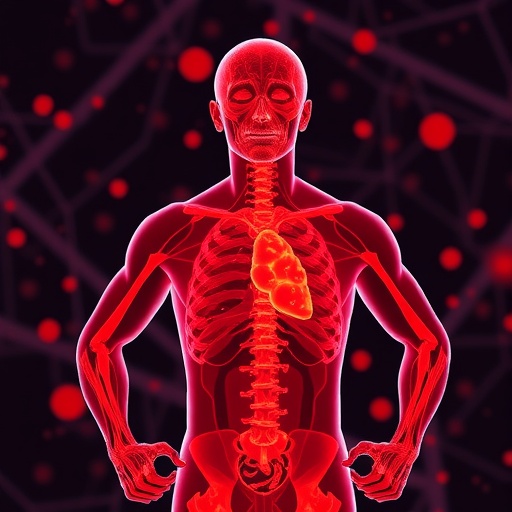
A sweeping new narrative review published in the Journal of Translational Medicine is pulling back the curtain on one of the most overlooked aspects of chronic obstructive pulmonary disease: the devastating toll the disease takes on the body’s muscles, and the crucial — but complicated — role that exercise plays in fighting back. Led by Domenico Di Raimondo and colleagues at the University of Palermo, the review synthesizes decades of mechanistic research into how COPD reshapes both limb and respiratory muscles, how systemic inflammation may or may not be driving that damage, and why rehabilitation remains the most powerful non-drug therapy available despite nagging scientific uncertainties.
COPD has long been framed as a lung disease, defined by airway obstruction, chronic bronchitis, and emphysematous destruction of lung tissue. But clinicians have increasingly recognized that its most disabling features extend far beyond the chest. Patients with COPD frequently suffer from profound muscle wasting, particularly in the quadriceps, and this skeletal muscle dysfunction has emerged as a clinically relevant systemic manifestation of the disease. It contributes directly to the breathlessness that defines daily life for patients, reduces exercise tolerance, erodes quality of life, and — perhaps most tellingly — predicts mortality. A patient’s ability to stand from a chair or climb a flight of stairs, the review argues, may reveal as much about their prognosis as any spirometry reading.
The muscle changes in COPD are not simply the result of disuse, though physical inactivity certainly plays a role. Under the microscope, the peripheral muscles of these patients tell a story of deep biological remodeling. Muscle fibers shift in type, favoring fast-twitch, glycolytic fibers over the oxidative, fatigue-resistant fibers that sustain everyday activity. The oxidative capacity of the muscle falls, undermining the tissue’s ability to generate adenosine triphosphate efficiently and causing lactic acid to accumulate early during exertion — a process that patients experience as overwhelming leg fatigue long before their lungs reach their limits. Capillarization is impaired, reducing the delivery of oxygen and nutrients to working fibers. Mitochondria, the cellular power plants, show structural and functional dysfunction. Oxidative stress, driven by an excess of reactive oxygen species, damages proteins and membranes. And catabolic pathways, including the ubiquitin-proteasome system, are activated, actively breaking down muscle protein faster than the body can rebuild it.
One of the review’s central arguments is that not all muscle in COPD suffers equally, or in the same way. The quadriceps and other limb muscles typically show the destructive changes described above, but the diaphragm follows a different trajectory. The diaphragm in COPD patients is caught in a double bind: it is subject to intrinsic remodeling driven by chronic overload, yet it also works under a severe mechanical disadvantage caused by lung hyperinflation. As the lungs overinflate, the diaphragm flattens, shortens, and loses its mechanical leverage, making every breath more costly. In response, the diaphragm adapts in ways that differ from limb muscles — sometimes showing adaptive, rather than purely destructive, features as it struggles to meet the relentless demands of breathing through compromised lungs. This distinction between limb and respiratory muscle biology, the authors emphasize, matters enormously for understanding why patients with severe airflow obstruction can still have relatively preserved diaphragm function even as their legs waste away.
If the muscle pathology is the crime scene, systemic inflammation has long stood as the prime suspect. Elevated levels of inflammatory mediators such as tumor necrosis factor-alpha, interleukin-6, and C-reactive protein are commonly detected in COPD patients, and these signaling molecules are known to promote muscle protein breakdown, suppress anabolic signaling, and activate catabolic cascades. The review details the molecular routes by which inflammation can sabotage muscle: activation of nuclear factor-kappa B, engagement of the ubiquitin-proteasome system, interference with insulin-like growth factor-1 signaling, and disruption of insulin receptor substrate pathways that normally support muscle growth and glucose uptake. Yet the authors are refreshingly candid about the limits of this story. The true source of systemic inflammation in COPD is still debated — is it the lungs themselves, comorbid conditions, altered gut microbiota, or something else? — and, crucially, the causal contribution of systemic inflammation to muscle loss and dysfunction in COPD patients remains incompletely proven. Inflammation may be an amplifier rather than the sole architect of muscle decline.
Indeed, the review paints muscle wasting in COPD as a multifactorial process in which inflammation is only one ingredient. Ageing naturally erodes muscle mass and regenerative capacity. Multimorbidity — the coexistence of heart failure, chronic kidney disease, and other chronic conditions — compounds the burden. Malnutrition and inadequate caloric intake starve muscle tissue of the building blocks it needs. Hypoxemia, the low blood oxygen characteristic of advanced disease, impairs mitochondrial function and pushes muscle fibers toward glycolytic metabolism. Corticosteroid exposure, a frequent feature of COPD treatment during exacerbations, can further promote protein breakdown and impair anabolic signaling, a process partly mediated by enzymes such as 11 beta-hydroxysteroid dehydrogenase 1 that amplify glucocorticoid activity within muscle tissue. And physical inactivity, both a cause and a consequence of muscle decline, completes a vicious circle in which weakness breeds inactivity, which in turn breeds further weakness. Acute exacerbations of COPD accelerate this cycle dramatically, with each hospitalization potentially stripping away months of hard-won muscle mass and function.
Against this grim mechanistic backdrop, the review delivers its most clinically significant message: exercise training works. Pulmonary rehabilitation, built around structured exercise programs, is firmly supported as a cornerstone of non-pharmacological COPD management. The evidence base shows that exercise training improves muscle function, increases exercise capacity, alleviates symptoms, and restores functional autonomy — the ability of patients to manage their own daily lives. The mechanisms behind these gains are well understood from exercise physiology. Endurance and resistance training stimulate mitochondrial biogenesis through pathways involving peroxisome proliferator-activated receptor-gamma coactivator 1-alpha, the master regulator of oxidative metabolism. Training restores capillary density, shifts muscle fiber types back toward oxidative phenotypes, strengthens the antioxidant defense system against reactive oxygen species, and tips the balance between protein synthesis and breakdown back toward growth. Resistance training in particular offers a direct counterweight to catabolic signaling, mechanically stimulating muscle protein synthesis even in the presence of inflammatory stress.
But the review does not let exercise off the hook without scrutiny. One of its most provocative observations concerns inflammation. If exercise is so beneficial, and if inflammation is a key driver of muscle damage, one might expect training to measurably reduce circulating inflammatory biomarkers such as C-reactive protein, tumor necrosis factor-alpha, or interleukin-6. Yet the current evidence, the authors find, does not consistently demonstrate such a parallel reduction after training programs. Patients get stronger and more functional, but their blood inflammatory profiles often remain stubbornly unchanged. This disconnect raises a fundamental question about how exercise exerts its benefits in COPD: are the improvements driven by chronic adaptations within the cardiac, respiratory, and muscular systems themselves — local remodeling of muscle fibers, capillaries, and mitochondria — or do they also depend on systemic anti-inflammatory effects that clinical trials have so far failed to detect reliably?
The authors frame the resolution of this question as the field’s main unresolved challenge. Beyond the inflammation puzzle, the review identifies a set of pressing practical questions that clinicians and researchers have yet to answer definitively. What is the optimal training modality — endurance, resistance, interval training, or some combination? What intensity and duration produce the greatest and most durable muscle outcomes? And how should rehabilitation be tailored to the phenotype of the individual patient, given that a cachectic, hypoxemic patient with severe hyperinflation may need a fundamentally different program from a breathless but well-nourished patient with preserved muscle mass? The notion of phenotype-specific rehabilitation — matching the training prescription to the patient’s muscle biology, nutritional status, and inflammatory profile — emerges as a promising but still untested frontier.
The review also situates these findings within the broader translational landscape. Many of the molecular pathways it describes — the ubiquitin-proteasome system, the NOD-like receptor pyrin domain-containing protein 3 inflammasome, myostatin-related signaling, and the interplay between hypoxia-inducible factor 1 alpha and mitochondrial function — are potential drug targets. But the authors’ implicit conclusion is that no pharmacological shortcut will soon replace the accumulated, adaptive power of regular physical training. Muscle is plastic tissue, and the review suggests that the therapeutic leverage lies precisely in that plasticity, harnessed through carefully dosed and progressive exercise.
What makes the review timely is its honesty. Rather than inflating the anti-inflammatory credentials of exercise or overselling any single mechanism, it maps the terrain as it actually stands: muscle dysfunction in COPD is real, multifactorial, and deadly serious; exercise is genuinely effective; and the causal chain linking inflammation to muscle loss remains, frustratingly, an open question. For the millions of patients living with COPD worldwide, the practical takeaway is clear. Rehabilitation is not an optional add-on to inhaler therapy — it is a biological intervention that works at the level of the muscle fiber, the mitochondrion, and the capillary, even when the exact systemic chemistry of its benefits remains to be fully explained.
For researchers, the review is a call to arms. Future studies must disentangle the contribution of inflammation from the many other forces eroding muscle in COPD, identify biomarkers that predict who will respond best to which training modality, and design trials that test phenotype-matched rehabilitation strategies rather than one-size-fits-all programs. Until then, the message for clinical practice stands on remarkably firm ground: in COPD, what the lungs cannot fix, the muscles — given the right training — may yet do.
Cite Scienmag News
Ophelia Keating. (September 10, 2026). How systemic inflammation drives muscle dysfunction in COPD exercise. Scienmag. https://scienmag.com/how-systemic-inflammation-drives-muscle-dysfunction-in-copd-exercise/
Ophelia Keating. "How systemic inflammation drives muscle dysfunction in COPD exercise." Scienmag, 10 September 2026, https://scienmag.com/how-systemic-inflammation-drives-muscle-dysfunction-in-copd-exercise/. Accessed 10 September 2026.
Ophelia Keating. "How systemic inflammation drives muscle dysfunction in COPD exercise." Scienmag. September 10, 2026. https://scienmag.com/how-systemic-inflammation-drives-muscle-dysfunction-in-copd-exercise/


