


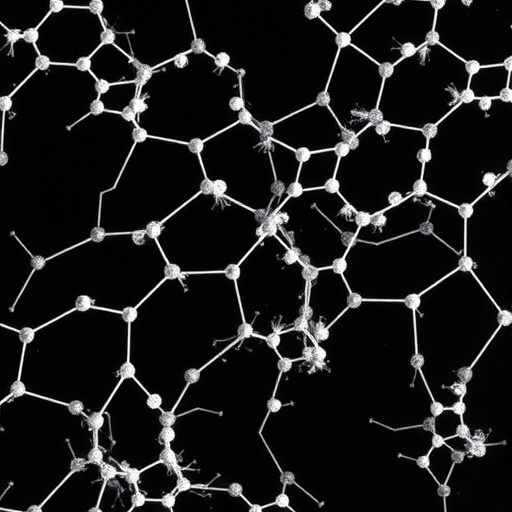
This study assessed the acute toxicity and tissue distribution of graphene oxide decorated with platinum nanoparticles (GO/PtNPs) in rats.
Key findings:
- Rats received a single intraperitoneal dose of 300 or 2000 mg/kg and were examined after 14 days.
- All animals survived, showed no notable behavioral abnormalities, and gained weight normally.
- GO/PtNPs accumulated mainly in the abdominal cavity near the injection site, forming black deposits within granulomas.
- Nanoparticle-containing macrophages were found in the mesenteric lymph nodes, liver, spleen, lungs, and kidneys.
- Observed tissue changes included:
- Degeneration in cardiac and skeletal muscle
- Liver hydropic degeneration
- Acute tubular necrosis in kidneys, particularly at the high dose
- Brain hyperemia, cribriform changes, hemorrhage, and gliosis
- No GO/PtNP deposits were detected in brain tissue or cerebral blood vessels.
Overall conclusion:
At doses substantially above anticipated therapeutic levels, GO/PtNPs produced extensive tissue deposition and selected organ toxicities, despite no mortality or overt clinical illness. The authors recommend additional studies using clinically relevant doses, administration routes, exposure durations, and controls before considering medical applications.
Cite Scienmag News
Neil Sanderson. (August 26, 2026). Intraperitoneal Platinum-Graphene Oxide Shows Acute Toxicity and Tissue Deposition in Rats. Scienmag. https://scienmag.com/intraperitoneal-platinum-graphene-oxide-shows-acute-toxicity-and-tissue-deposition-in-rats/
Neil Sanderson. "Intraperitoneal Platinum-Graphene Oxide Shows Acute Toxicity and Tissue Deposition in Rats." Scienmag, 26 August 2026, https://scienmag.com/intraperitoneal-platinum-graphene-oxide-shows-acute-toxicity-and-tissue-deposition-in-rats/. Accessed 4 September 2026.
Neil Sanderson. "Intraperitoneal Platinum-Graphene Oxide Shows Acute Toxicity and Tissue Deposition in Rats." Scienmag. August 26, 2026. https://scienmag.com/intraperitoneal-platinum-graphene-oxide-shows-acute-toxicity-and-tissue-deposition-in-rats/


