


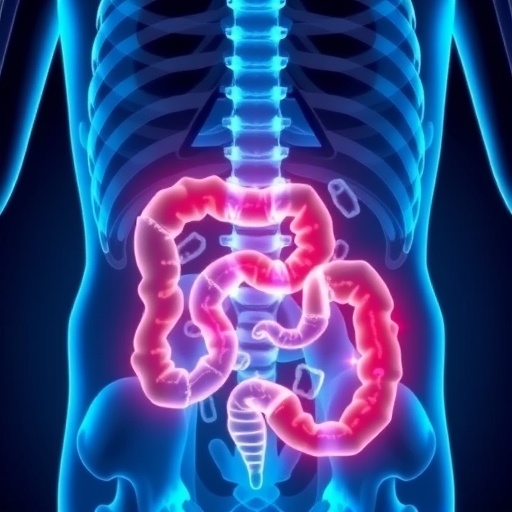
Researchers at The University of Texas MD Anderson Cancer Center have discovered that colorectal tumors may begin damaging peripheral nerves before patients receive chemotherapy, challenging the widely held assumption that cancer-related neuropathy is primarily a consequence of treatment. In preclinical models, tumors were linked to subtle inflammation, loss of nerve fibers, impaired electrical signaling and injury to myelin—the insulating material that allows nerves to transmit messages efficiently. The damage appeared before chemotherapy and developed without the pronounced pain or temperature sensitivity typically associated with neuropathy, suggesting that an important form of nerve injury may remain clinically invisible until treatment intensifies it.
The findings, published in Nature Communications, provide new evidence that colorectal cancer can influence the peripheral nervous system as part of the disease itself. Peripheral nerves connect the brain and spinal cord with the skin, muscles and internal organs. When these nerves are injured, patients may experience burning pain, numbness, tingling, muscle weakness, poor balance or reduced ability to detect touch and temperature. Chemotherapy drugs, particularly those that interfere with rapidly dividing or metabolically active cells, can aggravate these symptoms. The new study suggests that some patients may begin treatment with nerves that are already biologically stressed, potentially increasing their vulnerability to long-term treatment-related neuropathy.
“Our understanding of peripheral neuropathy in colorectal cancer has traditionally focused on chemotherapy as the main cause,” said Andrew Shepherd, Ph.D., associate professor of Translational Neuroscience at MD Anderson and the study’s lead investigator. “These findings indicate that the tumor itself may initiate a process of nerve injury that is subtle, latent and capable of affecting quality of life even when patients do not report obvious pain.” The researchers examined colorectal cancer models that developed naturally, rather than relying exclusively on experimental nerve injury or artificial tumor implantation. This allowed them to study nerve changes in the context of a progressing malignancy and to compare animals with cancer to otherwise similar controls before chemotherapy exposure.
The earliest abnormalities were not dramatic behavioral signs of pain. Instead, the researchers observed a reduction in small sensory nerve fibers in the skin, along with modest difficulties involving movement and coordination. Tests designed to measure sensitivity to touch and temperature did not show a consistent increase in pain responses. That apparent contradiction—structural nerve damage without clear hypersensitivity—may explain why early neuropathy can go undetected. Nerve degeneration does not always produce immediate pain, particularly when damage develops gradually or affects specific fiber populations. A patient may therefore have measurable changes in nerve biology while still reporting normal sensation during routine clinical conversations.
Microscopic and molecular analyses revealed that the injury extended beyond the loss of individual nerve fibers. The myelin sheaths surrounding peripheral nerve axons were damaged, and the cells responsible for producing and maintaining myelin showed signs of metabolic and cellular stress. Myelin acts much like insulation around an electrical cable, allowing nerve impulses to travel rapidly and accurately. When it deteriorates, signals can slow, weaken or become distorted. In the cancer models, nerve cells also exhibited abnormal calcium regulation. Calcium ions are essential for releasing neurotransmitters and coordinating electrical activity, but excessive or poorly controlled calcium can disrupt cellular function and contribute to degeneration. Consistent with these findings, the affected nerves generated weaker electrical signals and displayed reduced activity.
The study further connected nerve injury with changes in inflammation and lipid metabolism. Researchers detected altered inflammatory proteins in the blood and peripheral nerves, as well as shifts in fat-derived molecules involved in cellular signaling and immune regulation. These findings are significant because nerve tissue depends heavily on tightly controlled lipid metabolism. Myelin is rich in lipids, and disturbances in the production, transport or breakdown of these molecules can weaken the myelin structure and impair nerve repair. Tumors can alter systemic metabolism and release signals that influence distant tissues, potentially creating an environment in which peripheral nerves experience inflammation, oxidative stress or inadequate support for maintaining their protective insulation.
Immune cells called macrophages also accumulated in peripheral sensory nerves. Macrophages are often associated with inflammation and tissue damage, but their role is not necessarily harmful in every circumstance. Some macrophages remove cellular debris, release repair signals and help coordinate the regeneration of injured tissue. When the researchers removed these cells from the models, movement abnormalities became worse, suggesting that at least a subset of macrophages was attempting to protect or repair the nerves. This observation highlights the complexity of cancer-associated neuropathy: suppressing all immune activity could eliminate beneficial repair mechanisms while leaving other damaging inflammatory pathways intact.
An anti-inflammatory drug reduced some of the early nerve abnormalities but failed to prevent every sign of injury. The result indicates that inflammation is an important contributor, but not the sole driver, of tumor-associated neuropathy. Altered lipid metabolism, myelin stress, abnormal calcium handling and direct communication between tumors and nerves may all participate in the process. The researchers propose that colorectal tumors create a biologically hostile environment for peripheral nerves through a combination of inflammatory signaling and metabolic disruption. Because different nerve fibers and support cells may respond differently, some neural structures could be particularly susceptible to later injury from chemotherapy.
The implications for patients are potentially substantial, but the findings remain preliminary because they come from preclinical models rather than human participants. The study did not assess nerve function in people with colorectal cancer before, during or after treatment, and it did not establish whether the observed changes predict chronic neuropathy or pain in individual patients. Future clinical studies will need to measure sensory function, nerve conduction, skin-nerve density, inflammatory markers and metabolic signatures at multiple stages of cancer care. Researchers will also need to determine whether the process varies according to tumor subtype, stage, treatment regimen or a patient’s underlying metabolic and neurological health.
The work forms part of MD Anderson’s Cancer Neuroscience Program, an interdisciplinary effort examining how tumors interact with the nervous system. By identifying nerve injury before chemotherapy begins, clinicians may eventually be able to recognize patients at higher risk for severe neuropathy and consider earlier monitoring or protective interventions. The study also raises the possibility that treating the tumor’s inflammatory and metabolic effects—not simply managing pain after it appears—could help preserve nerve function. For now, the central message is clear: in colorectal cancer, the nervous system may be involved earlier than previously recognized, and the absence of pain does not necessarily mean the nerves are unharmed.
News Publication Date: August 19, 2026
Web References:
https://www.mdanderson.org/
https://www.mdanderson.org/cancer-types/colorectal-cancer.html
https://www.nature.com/articles/s41467-026-76683-1
References:
Nature Communications study led by Andrew Shepherd, Ph.D., University of Texas MD Anderson Cancer Center.
Cite Scienmag News
Nathaniel Bowman. (August 20, 2026). Colorectal Cancer May Damage Nerves Before Chemotherapy Begins. Scienmag. https://scienmag.com/colorectal-cancer-may-damage-nerves-before-chemotherapy-begins/
Nathaniel Bowman. "Colorectal Cancer May Damage Nerves Before Chemotherapy Begins." Scienmag, 20 August 2026, https://scienmag.com/colorectal-cancer-may-damage-nerves-before-chemotherapy-begins/. Accessed 4 September 2026.
Nathaniel Bowman. "Colorectal Cancer May Damage Nerves Before Chemotherapy Begins." Scienmag. August 20, 2026. https://scienmag.com/colorectal-cancer-may-damage-nerves-before-chemotherapy-begins/


