


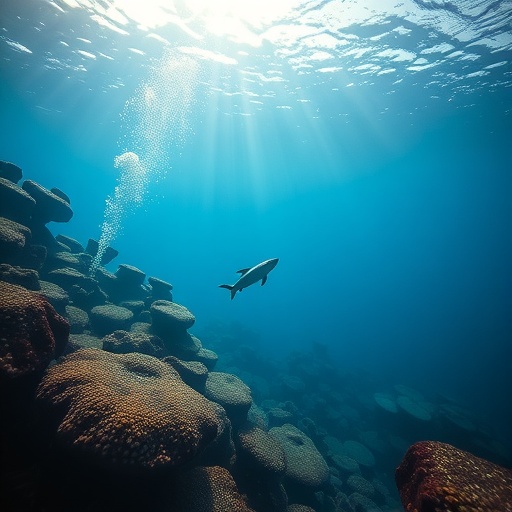
Brazil could improve public health and reduce pressure on marine ecosystems by encouraging greater seafood consumption, expanding nutritionally diverse aquaculture, and managing fisheries according to both ecological and nutritional priorities, according to a new study published in Nature Food. The research, led by a multidisciplinary team that included University of Miami biologist Juan Pablo Quimbayo and Brazilian postdoctoral researcher Luiza Waechter, examined what Brazilians eat, which nutrients their diets provide, and whether the country’s seafood systems could help close widespread nutritional gaps. The findings challenge the assumption that a nation with one of the world’s longest coastlines necessarily has high seafood consumption. On average, seafood accounts for only about six percent of total protein intake in Brazil—less than half the level the researchers identify as a potential nutritional target.
The study analyzed food consumption data from 30,700 people, combined with national fishery statistics and information on the nutritional composition of different seafood species. This approach allowed the researchers to connect dietary patterns with the availability of fish and aquatic foods across Brazil’s regions. Their analysis focused not only on protein, but also on micronutrients that are essential for human health, including vitamin A, magnesium, and calcium. These nutrients support vision, immune function, bone development, muscle activity, and numerous biochemical reactions. Although Brazilians meet protein recommendations on average, the data indicate that many people still experience inadequate intake of key micronutrients, revealing that protein sufficiency does not automatically translate into a nutritionally adequate diet.
The researchers found that increasing seafood’s contribution to total protein intake from six percent to 25 percent could substantially reduce nutritional deficiencies. Seafood can provide highly bioavailable protein as well as fatty acids, minerals, and vitamins, depending on the species consumed. Small fish eaten whole, for example, may provide calcium and other minerals from their bones, while oily species can supply long-chain omega-3 fatty acids. Shellfish and other aquatic animals may contribute iron, zinc, vitamin B12, and other nutrients in different combinations. This nutritional variation is scientifically important because it means that seafood should not be treated as a single food category. The health effects of an aquatic diet depend on species, preparation methods, portion sizes, and the broader dietary context.
“What’s very surprising is that in Brazil, people don’t consume a lot of seafood,” said Quimbayo, an ecologist who leads the University of Miami’s BioScales Lab. Brazil’s extensive Atlantic coastline, freshwater systems, wetlands, and rivers might suggest that fish would be a central part of the national diet. Instead, many communities rely more heavily on chicken, beef, and pork, while seafood consumption varies greatly among states and social groups. Cultural preferences, prices, limited distribution networks, regional inequality, and inconsistent access to fresh products can all influence what appears on household plates. In some areas, seafood may be locally abundant but remain expensive or difficult to transport, while in others, consumers may have limited familiarity with species that could provide affordable nutrition.
The study also identified a major supply problem: in several Brazilian states, demand for seafood already exceeds local availability. Meeting a higher nutritional target by simply increasing wild catches could therefore intensify pressure on fisheries that are already affected by overfishing, habitat degradation, climate change, and pollution. “Increasing seafood consumption cannot simply mean catching more fish,” Quimbayo said. “Many fisheries are already under pressure, so improving nutrition has to go hand in hand with sustainable fisheries management.” The warning is particularly relevant in a country where coastal habitats such as coral reefs, mangroves, estuaries, and seagrass areas support fish reproduction, nursery grounds, and the livelihoods of fishing communities.
For that reason, the researchers point to aquaculture as one potential way to expand seafood supplies without increasing the extraction of wild fish. Aquaculture could include the farming of finfish, shellfish, crustaceans, and aquatic plants, but its benefits would depend on how it is designed and managed. Poorly regulated farms can generate nutrient pollution, spread disease, damage habitats, or rely on feed derived from wild-caught fish. Sustainable systems would need careful controls on water quality, stocking densities, chemical use, escape risks, energy consumption, and feed composition. The researchers argue that aquaculture development should also be nutritionally strategic. Rather than maximizing production by weight alone, policymakers could prioritize species that provide important nutrients while requiring relatively low environmental inputs.
“Seafood is highly diverse, both taxonomically and nutritionally, which means that different species can provide different combinations of nutrients,” explained Waechter. This concept could transform how food production is evaluated. Conventional food planning often measures success through calories, protein, or total harvest volume, but those indicators can overlook hidden deficiencies. A food system that produces large quantities of protein may still fail to provide enough calcium, vitamin A, magnesium, iron, or essential fatty acids. By mapping nutrient composition against ecological sustainability, researchers could help identify combinations of wild and farmed species that deliver more complete diets without placing all demand on a small number of heavily exploited animals.
The implications extend beyond Brazil because the study presents biodiversity as a public-health resource as well as an environmental asset. Diverse ecosystems support diverse fisheries, and diverse fisheries can support more varied diets. When reefs, mangroves, estuaries, and other coastal habitats are degraded, the loss is not limited to species and scenery; it can also reduce the range of foods and nutrients available to nearby communities. Biodiversity can provide resilience as environmental conditions change, allowing different species to respond differently to warming waters, altered rainfall, disease, or habitat loss. Protecting ecosystems may therefore help preserve both future food supplies and the nutritional flexibility needed to respond to economic and climatic disruptions.
The researchers acknowledge that changing dietary habits will not be simple. In regions where chicken, beef, and pork are deeply embedded in culinary traditions, seafood promotion may face cultural resistance even when the nutritional evidence is strong. Any transition would also require policies that improve affordability, food safety, cold-chain infrastructure, consumer education, and equitable access. The central message of the study is not that Brazilians should replace one protein source with a single “superfish,” but that the country could use the full diversity of aquatic foods more intelligently. As Quimbayo emphasized, fisheries should be judged not only by what they generate today, but by what they can continue to provide to future generations. Protecting the ecosystems that sustain them could help Brazil address undernutrition, strengthen food security, and build a seafood system that is healthier for people and the planet.
News Publication Date: 29-Jul-2026
Web References: https://www.nature.com/articles/s43016-026-01402-4; https://biology.as.miami.edu/; https://www.bioscaleslab.com/
References: Nature Food, DOI: 10.1038/s43016-026-01402-4
Cite Scienmag News
Daisy Hatcher. (August 17, 2026). Ocean research offers opportunities for healthier, more sustainable futures. Scienmag. https://scienmag.com/ocean-research-offers-opportunities-for-healthier-more-sustainable-futures/
Daisy Hatcher. "Ocean research offers opportunities for healthier, more sustainable futures." Scienmag, 17 August 2026, https://scienmag.com/ocean-research-offers-opportunities-for-healthier-more-sustainable-futures/. Accessed 5 September 2026.
Daisy Hatcher. "Ocean research offers opportunities for healthier, more sustainable futures." Scienmag. August 17, 2026. https://scienmag.com/ocean-research-offers-opportunities-for-healthier-more-sustainable-futures/


