


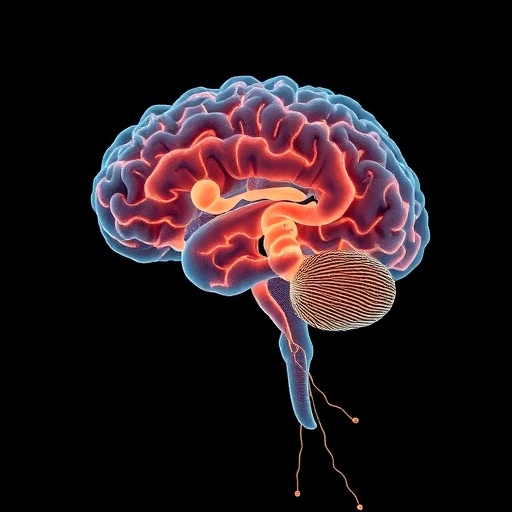
A new study published in Translational Psychiatry is drawing attention to a possible link between copper imbalance and the brain changes associated with major depressive disorder. The paper, led by Zhong, Chen, He and colleagues, is titled “Excess copper compromises hippocampal function in major depressive disorder: a study on clinical and animal evidence.” Its central message is that copper, an essential trace element often discussed in relation to nutrition and metabolism, may become harmful when present in excess. By combining clinical observations with evidence from animal research, the study examines whether elevated copper can interfere with the hippocampus, a brain region crucial for memory, learning, emotional regulation and the biological response to stress.
Copper is indispensable to human physiology. It helps enzymes produce energy, supports antioxidant defenses, contributes to neurotransmitter production and participates in the formation and maintenance of connective tissue and blood vessels. The body normally keeps copper within a narrow range through coordinated control by the liver, bloodstream, kidneys and cells. This balance is important because copper can switch between chemical states, allowing it to participate in useful reactions but also making it capable of promoting oxidative stress when regulation fails. In excessive amounts, copper may accelerate the formation of reactive oxygen species—chemically active molecules that can damage lipids, proteins and DNA. The new research places this biological duality at the center of depression biology.
The hippocampus is particularly relevant because it is both highly active metabolically and sensitive to prolonged stress. It helps encode memories, distinguish safe from threatening situations and regulate feedback within the hypothalamic-pituitary-adrenal axis, the system that controls many hormonal responses to stress. Chronic psychological stress and depression have been associated with changes in hippocampal plasticity, including altered communication between neurons and impaired generation or survival of new cells in certain hippocampal areas. If excess copper disrupts energy production, damages cellular membranes or intensifies inflammation, it could affect the hippocampus at several levels simultaneously. These effects could help explain why disturbances in mood are often accompanied by difficulties with concentration, memory and emotional resilience.
The study’s clinical and animal design is important because each type of evidence answers a different question. Clinical research can reveal whether copper-related changes are associated with depression in people, while animal experiments can explore biological mechanisms that cannot be examined directly in patients. A relationship between copper and depressive symptoms alone would not prove that copper causes the disorder; depression can influence diet, metabolism, sleep, medication use and other factors that may also affect trace-element regulation. Animal evidence can strengthen the case for a mechanism by testing whether copper exposure or altered copper handling is accompanied by measurable changes in hippocampal function. Together, these approaches can provide a more complete picture than either one could deliver alone.
At the cellular level, copper excess could compromise hippocampal function through several overlapping pathways. Oxidative stress can impair mitochondrial activity, reducing the energy available for neurons to maintain electrical gradients and communicate across synapses. Neurons depend heavily on mitochondria because they require a continuous supply of adenosine triphosphate, or ATP, to operate ion pumps and recycle neurotransmitters. Copper-related damage may also alter the proteins that control synaptic plasticity—the ability of neural connections to strengthen or weaken in response to experience. In addition, oxidative injury can activate microglia, the brain’s resident immune cells. Persistent microglial activation may release inflammatory signals that disturb neuronal signaling and interfere with the formation of adaptive stress responses.
Copper may also intersect with systems already implicated in depression, including serotonin, dopamine, glutamate and the stress-hormone network. Copper-dependent enzymes participate in the synthesis or breakdown of several biologically important molecules, meaning that disrupted copper availability could influence chemical communication in the brain even without directly killing neurons. At the same time, excessive copper may disturb the balance between excitatory and inhibitory signaling. Too much excitatory activity, particularly through glutamatergic pathways, can place additional demands on neurons and increase vulnerability to oxidative damage. These mechanisms remain biologically plausible rather than a simple explanation for every case of depression, but they illustrate why metal homeostasis is receiving increasing attention in psychiatric research.
The findings also raise questions about how copper moves between the body and the brain. Copper in the blood is carried largely by proteins, including ceruloplasmin and albumin, and entry into the central nervous system is regulated by barriers and transport systems. The blood-brain barrier does not function as an open pipeline; it selectively controls which substances reach neural tissue. Specialized copper transporters distribute the element to cells, while other proteins bind, store or export it. If these systems become overwhelmed or dysregulated, copper could accumulate in vulnerable compartments or become chemically active in ways that are not reflected by a single routine blood measurement. This complexity means that future studies will need to distinguish total copper from its biologically available forms and examine how copper is distributed across tissues.
For patients and families, the research should not be interpreted as a recommendation to take copper supplements, avoid copper-containing foods or use unproven “metal detox” products. Copper is required for health, and deficiency can also cause serious problems. Moreover, major depressive disorder is a multifactorial condition shaped by genetics, environment, immune activity, stress exposure, sleep, physical health and social circumstances. The study does not turn depression into a single-nutrient disease, nor does it establish that correcting copper levels will prevent or cure depression. Any assessment of abnormal copper status would require appropriate laboratory testing and medical interpretation, particularly because liver disease, genetic disorders of copper metabolism, nutritional problems and certain treatments can affect copper regulation.
The potential significance of the work lies in the possibility of identifying a biological vulnerability that could complement existing approaches to diagnosis and treatment. If future research confirms that copper-related changes reliably track a particular subtype of depression or predict hippocampal dysfunction, copper metabolism could become part of a broader biomarker framework. Such a framework might combine trace-element measurements with inflammatory markers, imaging, cognitive testing and information about treatment response. Researchers could then investigate whether therapies that protect mitochondria, reduce neuroinflammation or restore normal metal handling influence depressive symptoms or hippocampal performance. Those possibilities remain prospective, but the clinical-animal strategy described in the paper provides a foundation for testing them more rigorously.
The study arrives as neuroscience increasingly moves beyond the idea that depression is explained by a single neurotransmitter imbalance. Contemporary research is examining interconnected networks involving metabolism, immunity, stress hormones, synaptic plasticity and the brain’s ability to adapt to environmental pressure. Copper fits into this wider picture because it is simultaneously a nutrient, an enzyme cofactor and a potential source of chemical stress. By focusing on the hippocampus, Zhong and colleagues connect a molecular question—how the brain handles an essential metal—to the cognitive and emotional symptoms experienced by people with depression. The next challenge will be replication: larger clinical cohorts, precise measurements of copper biology, carefully controlled animal experiments and studies that determine whether copper-related changes are a cause, a consequence or a contributing factor in major depressive disorder.
Cite Scienmag News
Glenn Wilkins. (August 13, 2026). Excess Copper Impairs Hippocampal Function in Depression, Clinical and Animal Study Finds. Scienmag. https://scienmag.com/excess-copper-impairs-hippocampal-function-in-depression-clinical-and-animal-study-finds/
Glenn Wilkins. "Excess Copper Impairs Hippocampal Function in Depression, Clinical and Animal Study Finds." Scienmag, 13 August 2026, https://scienmag.com/excess-copper-impairs-hippocampal-function-in-depression-clinical-and-animal-study-finds/. Accessed 3 September 2026.
Glenn Wilkins. "Excess Copper Impairs Hippocampal Function in Depression, Clinical and Animal Study Finds." Scienmag. August 13, 2026. https://scienmag.com/excess-copper-impairs-hippocampal-function-in-depression-clinical-and-animal-study-finds/


