


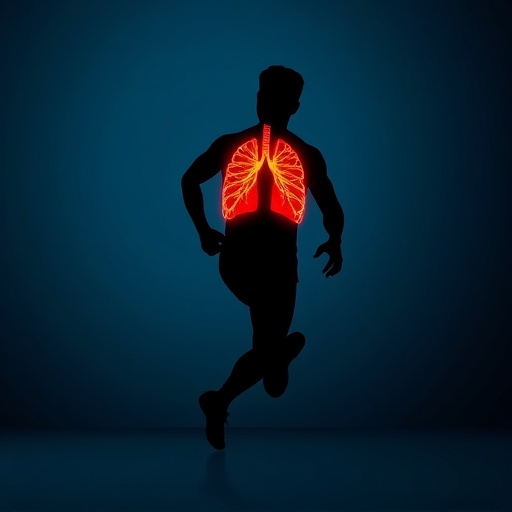
A hidden barrier may be keeping many people with chronic obstructive pulmonary disease from moving: not weakness, breathlessness, or lack of access to rehabilitation, but fear. A new qualitative study published in Scientific Reports examines this underrecognized psychological obstacle, known as kinesiophobia—the fear that movement will cause pain, injury, dangerous breathlessness, or a worsening of illness. In patients with COPD, that fear can become especially powerful because physical activity may genuinely trigger uncomfortable symptoms. The result is a biological and behavioral paradox: movement is essential for preserving lung function, muscle strength, and independence, yet the sensations produced by movement can convince patients that staying still is the safer choice.
COPD is not a single disease but a chronic respiratory condition characterized by persistent airflow limitation, usually associated with airway inflammation, destruction of lung tissue, or both. Exercise places greater demands on the respiratory system, and many patients experience dyspnea, or the distressing sensation of difficult breathing, even during ordinary activities such as walking, bathing, or climbing stairs. During exertion, the lungs may not empty efficiently before the next breath begins, a process called dynamic hyperinflation. This can leave patients feeling that they cannot draw in enough air. Although the sensation is not always a direct sign of immediate danger, it can be interpreted by the brain as a threat, producing anxiety and encouraging avoidance.
The study by Liu, Fan, Zhou and colleagues focuses on how patients themselves experience this fear of movement. Rather than measuring kinesiophobia only through a numerical questionnaire, the researchers use a qualitative phenomenological approach, a method designed to explore how people perceive, interpret, and give meaning to events in their daily lives. Phenomenological research is particularly useful when a medical problem is shaped by emotion, memory, social expectations, and personal experience. Two patients with the same level of airflow obstruction may respond very differently to exercise: one may view breathlessness as a temporary and manageable sensation, while another may interpret it as evidence that activity is dangerous. Understanding that difference is central to designing effective care.
Kinesiophobia is often discussed in relation to chronic pain, where patients avoid movement because they fear reinjury. In COPD, the mechanism is different but follows a similar feedback loop. A patient walks, becomes breathless, and stops. The immediate relief reinforces the decision to avoid walking in the future. Over time, reduced activity leads to muscle deconditioning, meaning that the muscles become less efficient and require more oxygen for the same task. Physical exertion then produces breathlessness even sooner, confirming the patient’s original fear. This cycle can gradually shrink a person’s “activity world,” transforming short trips, household tasks, and social visits into perceived threats.
The significance of the research lies in its attention to the subjective experience behind that cycle. A clinical record may show reduced exercise capacity, low daily step counts, or poor performance on a walking test, but those measurements cannot fully explain why a patient avoids activity. Fear may be linked to a previous hospitalization, a frightening episode of breathlessness, a belief that oxygen levels will suddenly collapse, or concern about appearing weak in public. Some patients may also avoid exercise because they feel that healthcare professionals expect too much from them. Others may have learned, through repeated episodes of distress, to treat any increase in breathing effort as a warning signal.
These perceptions matter because pulmonary rehabilitation is one of the most effective non-drug interventions for COPD. Carefully supervised exercise can improve muscle efficiency, endurance, functional capacity, and quality of life, even when the underlying obstruction in the airways remains. Rehabilitation programs commonly combine aerobic activity, strength training, breathing strategies, education, and psychological support. Yet attendance and long-term adherence can be difficult. If a patient believes that breathlessness means immediate physical harm, instructions to “exercise more” may sound not encouraging but unsafe. The study’s phenomenological perspective highlights why rehabilitation must address the meaning of symptoms, not simply prescribe a target duration or intensity.
Technically, safe rehabilitation depends on the distinction between expected exertional symptoms and medical danger. Exercise can increase respiratory rate, heart rate, and perceived breathlessness without causing tissue damage. Clinicians can monitor oxygen saturation, heart rhythm, symptoms, and recovery time while gradually increasing workload. Pursed-lip breathing, pacing, interval exercise, and controlled rest periods may help reduce the sensation of air trapping. Education can also change how patients interpret bodily signals. When individuals understand that breathlessness can be uncomfortable yet manageable under supervision, the alarm response may become less intense. However, reassurance alone is not enough. It must be paired with individualized assessment, because COPD varies widely and some symptoms do require urgent evaluation.
The study also points toward a broader view of COPD as a condition involving the brain, body, and environment. Fear is not merely an attitude that patients can discard through willpower. It can be strengthened by previous emergencies, social isolation, depression, limited transportation, financial constraints, and the absence of safe places to exercise. Family members may unintentionally reinforce inactivity by discouraging patients from doing more. Conversely, supportive relatives, respiratory therapists, physiotherapists, and peer groups can make movement feel predictable and achievable. A person’s confidence may rise when exercise is introduced in small steps and progress is measured by meaningful goals, such as reaching the kitchen, visiting a shop, or playing with grandchildren.
Because this is a qualitative phenomenological investigation, its value is not primarily in producing a universal numerical estimate of how common kinesiophobia is. Instead, it can reveal patterns of thought and experience that conventional clinical scales may miss. Such insights can guide the development of better questionnaires, interview tools, and rehabilitation protocols. They may also encourage clinicians to ask direct questions: What do you fear will happen when you become breathless? Which activities do you avoid? Have you ever stopped exercising because you thought you were harming your lungs? Answers to these questions could identify patients who need graded exposure to activity, psychological counseling, more detailed education, or closer supervision during rehabilitation.
The message emerging from this research is both cautionary and hopeful. For people living with COPD, fear of movement can become an invisible form of disability, narrowing daily life long before physical capacity is completely lost. But fear is also a modifiable target. By combining respiratory medicine, physiotherapy, behavioral science, and compassionate communication, healthcare teams may be able to interrupt the cycle of breathlessness, anxiety, avoidance, and deconditioning. The new study brings attention to the lived reality behind a familiar clinical problem: sometimes the first step toward better breathing is helping patients feel safe enough to move.
Cite Scienmag News
Barbara Leach. (August 12, 2026). Study explores movement fear among patients with chronic obstructive pulmonary disease. Scienmag. https://scienmag.com/study-explores-movement-fear-among-patients-with-chronic-obstructive-pulmonary-disease/
Barbara Leach. "Study explores movement fear among patients with chronic obstructive pulmonary disease." Scienmag, 12 August 2026, https://scienmag.com/study-explores-movement-fear-among-patients-with-chronic-obstructive-pulmonary-disease/. Accessed 4 September 2026.
Barbara Leach. "Study explores movement fear among patients with chronic obstructive pulmonary disease." Scienmag. August 12, 2026. https://scienmag.com/study-explores-movement-fear-among-patients-with-chronic-obstructive-pulmonary-disease/


