


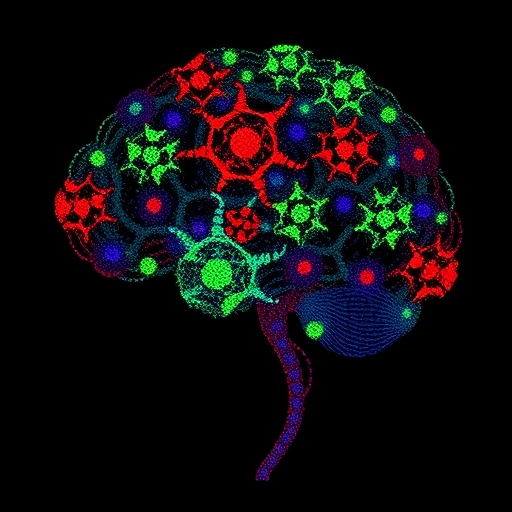
Electrical stimulation of the human brain can reorganize neural activity in ways that are closely tied to gene regulation, according to a new study published in Nature. Researchers found that stimulation strengthened coordinated groups of neurons, known as cell assemblies, and connected these physiological changes to cell-type-specific genetic programs. The findings offer a rare view of how neuromodulation may alter human cortical circuits at both the electrical and molecular levels, potentially guiding future treatments for memory loss and other cognitive disorders.
Neuromodulation therapies already use electrical stimulation to influence brain function. Deep brain stimulation, cortical stimulation and related approaches have been investigated for epilepsy, Parkinson’s disease, depression, traumatic brain injury and memory impairment. Yet the biological mechanisms responsible for their effects in humans have remained difficult to study. Researchers can record brain activity during stimulation, or analyze tissue at the molecular level, but rarely can they examine both processes in the same human neural tissue.
To overcome this limitation, the team developed an ex vivo experimental platform using temporal cortex removed from patients undergoing neurosurgery. The tissue was placed on a microelectrode array, a device containing many tiny electrodes capable of delivering precisely controlled electrical pulses while simultaneously recording neuronal activity. This arrangement allowed the researchers to observe how stimulation reshaped local circuit dynamics in human cortical tissue outside the body, while preserving enough of the tissue’s cellular organization for molecular analysis.
The study focused on cell assemblies, temporary or recurring groups of neurons whose activity becomes coordinated during information processing. Cell assemblies are thought to provide a fundamental mechanism for representing memories, sensory experiences and behavioral states. When neurons within an assembly fire in a coordinated pattern, the circuit can transmit information more reliably than isolated neurons acting independently. The researchers found that electrical stimulation increased the strength of these coordinated assemblies, suggesting that neuromodulation can reinforce functional relationships among neurons rather than simply raising overall activity.
This distinction is important. Brain stimulation is often described as an artificial way to “turn on” neural circuits, but its effects may be more selective and structurally meaningful. By strengthening existing patterns of coordinated activity, stimulation could help stabilize fragile or degraded networks. In conditions such as traumatic brain injury or neurodegenerative disease, memory problems may arise partly because neural populations fail to coordinate effectively. Reinforcing cell assemblies could therefore provide a physiological route through which stimulation improves the encoding or retrieval of information.
The researchers then used single-nucleus genomics to examine the molecular state of individual cells within the stimulated tissue. This method isolates nuclei rather than entire cells and measures gene expression across thousands of nuclei, allowing researchers to determine which genetic programs are active in different cell types. Because the human cortex contains diverse populations of excitatory neurons, inhibitory interneurons and supporting glial cells, single-nucleus analysis can reveal whether stimulation affects all cells equally or engages distinct biological pathways in specific populations.
The results linked the strengthened cell assemblies to cell-type-specific gene regulatory networks. Gene regulatory networks are systems in which transcription factors and other molecular regulators control the activity of groups of genes. These networks influence synaptic plasticity, neuronal excitability, communication between cells and the ability of circuits to adapt. The findings suggest that stimulation-induced changes in coordinated neural activity are not merely transient electrical events. They may also be accompanied by molecular changes that help maintain or refine the altered circuit state.
A major strength of the work was its attempt to test whether the molecular signatures identified in the ex vivo experiments could be observed in the living human brain. The researchers compared their findings with gene-expression patterns associated with in vivo stimulation and identified common cell-type-specific signatures in human cortex. This cross-platform consistency indicates that the effects observed in the laboratory tissue may reflect broader biological responses to neuromodulation, rather than artifacts produced solely by removing tissue from the brain.
The study does not yet establish a clinical treatment or identify a single gene that can be targeted to improve cognition. Instead, it provides a framework for connecting stimulation parameters, circuit physiology and molecular biology. Future therapies could potentially use neural biomarkers to determine when a circuit is poorly coordinated, deliver stimulation at the most effective time and monitor whether the relevant cell assemblies respond. By revealing the genetic programs associated with these responses, the research may also help explain why stimulation benefits some patients more than others and how treatments could be personalized.
The work represents an important step toward a mechanistic science of human neuromodulation. Electrical stimulation has often been developed through trial and error, with clinicians adjusting electrode locations, pulse frequencies and treatment schedules based largely on observed outcomes. The new findings suggest that these variables can eventually be linked to identifiable cell types and gene regulatory networks. Such knowledge could make brain stimulation more precise, more predictable and safer, while opening the possibility of therapies designed not only to activate circuits, but to reshape the biological programs that allow human cognition to recover.
Cite Scienmag News
Cassandra Pierce. (August 6, 2026). Stimulation Modulates Gene-Linked Cell Assemblies in the Human Brain. Scienmag. https://scienmag.com/stimulation-modulates-gene-linked-cell-assemblies-in-the-human-brain/
Cassandra Pierce. "Stimulation Modulates Gene-Linked Cell Assemblies in the Human Brain." Scienmag, 6 August 2026, https://scienmag.com/stimulation-modulates-gene-linked-cell-assemblies-in-the-human-brain/. Accessed 4 September 2026.
Cassandra Pierce. "Stimulation Modulates Gene-Linked Cell Assemblies in the Human Brain." Scienmag. August 6, 2026. https://scienmag.com/stimulation-modulates-gene-linked-cell-assemblies-in-the-human-brain/


