


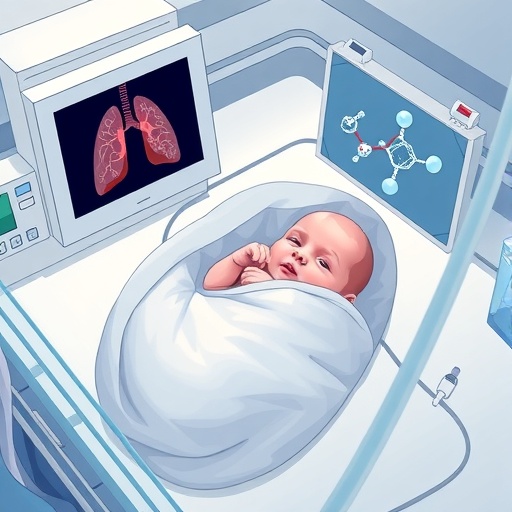
Extremely preterm infants are among the most medically vulnerable patients in modern hospitals, often requiring prolonged respiratory support, repeated procedures and intensive monitoring during the earliest weeks of life. A new secondary analysis of the BeNeDuctus trial has examined whether paracetamol, widely used as an analgesic in neonatal care, is linked to bronchopulmonary dysplasia, a chronic lung disorder that affects many infants born at the limits of viability.
The study, led by L.W. Hoornenborg, L.W. Hafner and C.J. Wright and published in Pediatric Research, focuses on infants born extremely preterm. These babies are commonly exposed to invasive ventilation, oxygen therapy and inflammatory stress before their lungs have completed critical stages of development. Bronchopulmonary dysplasia, or BPD, can emerge when immature lung tissue is injured by the combined effects of prematurity, oxygen, mechanical ventilation and infection.
Paracetamol, also known as acetaminophen, is frequently administered to newborns to relieve pain associated with procedures such as venous access, intubation, surgery or the placement of chest drains. It is also used in some neonatal settings to treat discomfort or fever. Compared with opioids and certain sedative drugs, paracetamol is often viewed as a relatively gentle option, although its effects in extremely immature infants remain an active area of research.
The investigators used data from the BeNeDuctus trial, a randomized clinical study involving extremely preterm infants. The original trial examined strategies for managing a patent ductus arteriosus, a blood vessel that normally closes after birth but may remain open in premature babies. The secondary analysis used the trial’s detailed clinical records to investigate paracetamol exposure and subsequent respiratory outcomes, including the development of BPD.
This type of analysis can provide valuable information while also requiring careful interpretation. Because the infants were not randomly assigned to receive paracetamol, the drug may have been given to babies who were already more severely ill or who underwent more procedures. In epidemiology, this problem is known as confounding by indication: the reason a treatment is prescribed can itself be related to the outcome researchers are studying. A higher rate of BPD among infants receiving paracetamol, for example, would not automatically mean that paracetamol caused lung injury.
The biological question is complex. Paracetamol is metabolized differently in newborns than in older children and adults, partly because the liver and other organs are still developing. At therapeutic doses, it is generally considered an analgesic and antipyretic rather than a strong anti-inflammatory drug. However, experimental research has raised questions about oxidative stress, mitochondrial function and the possible effects of drug exposure during sensitive periods of lung development. These mechanisms remain theoretical in many clinical contexts and cannot be confirmed by an observational association alone.
BPD itself is not a single, uniform disease. Diagnostic definitions may include the infant’s need for supplemental oxygen or respiratory support at a specified postmenstrual age, and severity can range from relatively limited oxygen dependence to prolonged need for invasive ventilation. The condition reflects both the immature structure of the preterm lung and the effects of postnatal treatment. This makes it particularly important for studies to account for gestational age, birth weight, respiratory support, infection, patent ductus arteriosus and other factors that influence lung outcomes.
By drawing on a well-characterized trial population, the BeNeDuctus analysis offers a more structured setting than a routine retrospective hospital database. The researchers could examine the timing and extent of paracetamol exposure alongside neonatal characteristics and clinical outcomes. Nevertheless, the analysis remains secondary and observational with respect to analgesic use. Its findings can identify patterns and help refine future research, but they cannot establish that paracetamol independently causes, prevents or modifies BPD.
The study arrives at a time when neonatal teams are seeking safer approaches to pain management. Extremely preterm infants can experience repeated painful interventions, yet undertreated pain may also affect stress responses, sleep, neurodevelopment and later behavior. Clinicians therefore face a difficult balance: reducing procedural pain while avoiding unnecessary medication and limiting exposure to drugs whose long-term effects in the most immature infants are not fully understood. The new analysis adds to that discussion by examining respiratory health, one of the most consequential outcomes of extreme prematurity.
For families and clinicians, the central message is that the presence of paracetamol in an infant’s treatment history should be interpreted within the broader clinical picture. The BeNeDuctus findings may help guide the design of prospective studies that record pain severity, dosing, cumulative exposure and respiratory status in greater detail. Until stronger evidence is available, decisions about analgesia will continue to depend on individualized assessment, careful dosing and the principle that effective pain relief must be weighed against the distinctive vulnerabilities of the developing preterm infant.
Cite Scienmag News
Harold Sullivan. (July 31, 2026). Paracetamol Use and Bronchopulmonary Dysplasia Risk in Extremely Preterm Infants. Scienmag. https://scienmag.com/paracetamol-use-and-bronchopulmonary-dysplasia-risk-in-extremely-preterm-infants/
Harold Sullivan. "Paracetamol Use and Bronchopulmonary Dysplasia Risk in Extremely Preterm Infants." Scienmag, 31 July 2026, https://scienmag.com/paracetamol-use-and-bronchopulmonary-dysplasia-risk-in-extremely-preterm-infants/. Accessed 3 September 2026.
Harold Sullivan. "Paracetamol Use and Bronchopulmonary Dysplasia Risk in Extremely Preterm Infants." Scienmag. July 31, 2026. https://scienmag.com/paracetamol-use-and-bronchopulmonary-dysplasia-risk-in-extremely-preterm-infants/


