


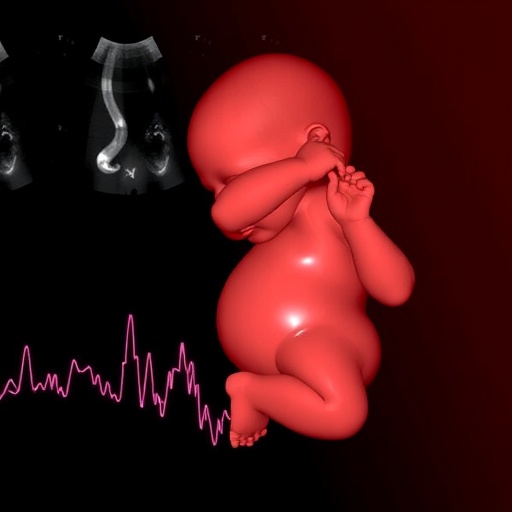
Early life cardiology may be a window into later brain development, according to a new Pediatrics Research study published in 2026. Researchers examined preterm infants during the first days after birth, focusing on how their cardiovascular systems functioned at a critical moment when the circulatory system is still adapting outside the womb. The team then tracked neurodevelopmental outcomes three years later, looking for links between early cardiac physiology and later learning and behavior.
The work centered on echocardiography-based hemodynamic profiling. Instead of relying on single measurements, the investigators used ultrasound readouts to characterize how blood moved through the heart and large vessels in the early postnatal period. Such measurements can capture the balance of pressures and flow patterns that reflect underlying adaptation, including how effectively oxygen delivery may be supported during a time of vulnerability.
Preterm birth is known to increase the risk of developmental delays, but predicting which infants will experience the most significant challenges remains difficult. The study suggests that cardiovascular function measured soon after delivery may help identify infants at higher neurodevelopmental risk. In other words, the heart’s early “performance” could act as a proxy for the broader physiologic stability needed for brain growth.
Across follow-up, neurodevelopmental assessment at age three was used to evaluate outcomes in domains that matter for daily functioning and future development. The researchers analyzed whether echocardiographic hemodynamics observed early in life were associated with these later measures. The findings support the idea that early circulatory dynamics are not just transient clinical observations—they may carry prognostic information.
Technically, echocardiography provides a noninvasive way to infer cardiac output-related physiology and to observe flow trajectories within the neonatal circulation. These parameters can be influenced by factors such as transitional vascular resistance and the degree of cardiopulmonary stability. When the transition is incomplete, the downstream effects on systemic perfusion could plausibly affect the developing brain.
By connecting early hemodynamic phenotypes to later neurodevelopment, the study points toward a future in which neonatal monitoring is more integrative. Echocardiography could become part of risk stratification strategies, guiding closer follow-up or early interventions for infants most likely to benefit. The study also highlights how timing matters: measurements during the early postnatal window may be especially informative.
Overall, the research advances the emerging field of “cardio-neuro” biomarkers in neonatology, where physiological signals serve as early indicators of long-term outcomes. With DOI 10.1038/s41390-026-05324-6, the full article—authored by Toyoshima, Masutani, Isayama and colleagues—adds evidence that the neonatal heart can forecast the developmental trajectory of preterm children.
Cite Scienmag News
Harold Sullivan. (July 27, 2026). Echocardiography Hemodynamics in Preterm Infants Predict Neurodevelopment Through Age Three. Scienmag. https://scienmag.com/echocardiography-hemodynamics-in-preterm-infants-predict-neurodevelopment-through-age-three/
Harold Sullivan. "Echocardiography Hemodynamics in Preterm Infants Predict Neurodevelopment Through Age Three." Scienmag, 27 July 2026, https://scienmag.com/echocardiography-hemodynamics-in-preterm-infants-predict-neurodevelopment-through-age-three/. Accessed 4 September 2026.
Harold Sullivan. "Echocardiography Hemodynamics in Preterm Infants Predict Neurodevelopment Through Age Three." Scienmag. July 27, 2026. https://scienmag.com/echocardiography-hemodynamics-in-preterm-infants-predict-neurodevelopment-through-age-three/


