


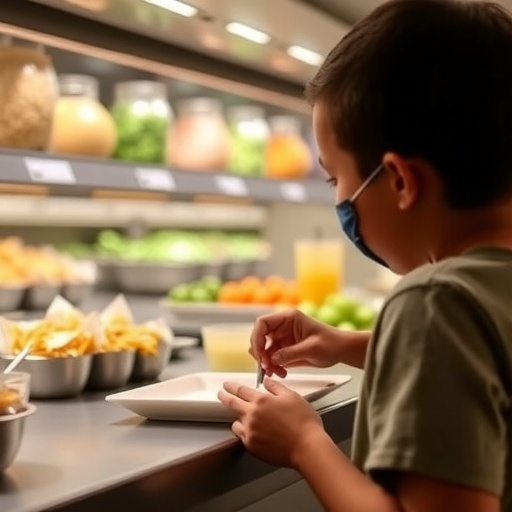
Pizza, pastries, and parfaits are everyday fixtures in K–12 cafeterias—and a new analysis suggests some of students’ go-to favorites may contain more sodium and added sugar than updated federal rules will allow. With new USDA requirements taking effect for the 2027 school-year cycle, districts need a practical way to identify which menu items are nutritionally “hardest to reform” without triggering backlash from students and families.
Researchers from the University of Mississippi and the University of Southern Mississippi examined what school nutrition professionals report serving most often and what students tend to eat. They then performed recipe-based nutritional audits on popular items such as pizza, smoothies, yogurt parfaits, muffins, and chicken wings to pinpoint those highest in sugar and sodium. The goal was not to blame schools, but to provide actionable targets for reformulation.
The USDA has directed schools to reduce both sodium and added sugars in meals by fall 2027, raising the stakes for accurate recipe accounting rather than relying on broad assumptions. In this work, dietary quality becomes a measurable design constraint: ingredients, portion composition, and processing choices determine whether a recipe can comply with the updated standards.
One striking example involves flavored chicken wings, which average above 2,100 milligrams of sodium per serving. While thresholds are framed around daily intake guidance for adults, students’ cumulative exposures across repeated breakfast and lunch cycles make even “small” changes potentially meaningful over time.
Excess sodium intake is associated with elevated blood pressure, a key cardiovascular risk factor. Because many students eat cafeteria meals multiple days per week, the researchers argue that cafeteria-level optimization could translate into long-term health benefits at population scale.
The team also emphasized the engineering challenge of taste. Substituting excess salt and sugar is unlikely to succeed if flavors collapse. Instead, they propose using herbs and spices to replace missing sensory impact—preserving familiarity while improving nutrition.
Practical flavor strategies include spices for sweetness such as cinnamon, nutmeg, and ginger, and sodium-reduction aids using salt-substitute approaches like rosemary, thyme, garlic, and paprika. However, the researchers note that reformulations must be validated with student acceptance tests and iterative feedback loops.
Overall, the study frames healthier lunchlines as an implementation problem: schools can shape what students repeatedly experience as “normal,” so gradual reductions in added sugar and sodium can shift preferences without removing beloved foods. If districts align recipes with compliance targets while maintaining appeal, cafeteria improvements can become both compliant and durable.
This work is supported by a USDA grant (FNS-CN-ICN-FY23) and published in Nutrition Reviews.
Cite Scienmag News
Daisy Hatcher. (July 26, 2026). Cafeteria Menu Revamp Could Lower Students’ Sugar and Salt Consumption. Scienmag. https://scienmag.com/cafeteria-menu-revamp-could-lower-students-sugar-and-salt-consumption/
Daisy Hatcher. "Cafeteria Menu Revamp Could Lower Students’ Sugar and Salt Consumption." Scienmag, 26 July 2026, https://scienmag.com/cafeteria-menu-revamp-could-lower-students-sugar-and-salt-consumption/. Accessed 3 September 2026.
Daisy Hatcher. "Cafeteria Menu Revamp Could Lower Students’ Sugar and Salt Consumption." Scienmag. July 26, 2026. https://scienmag.com/cafeteria-menu-revamp-could-lower-students-sugar-and-salt-consumption/


