


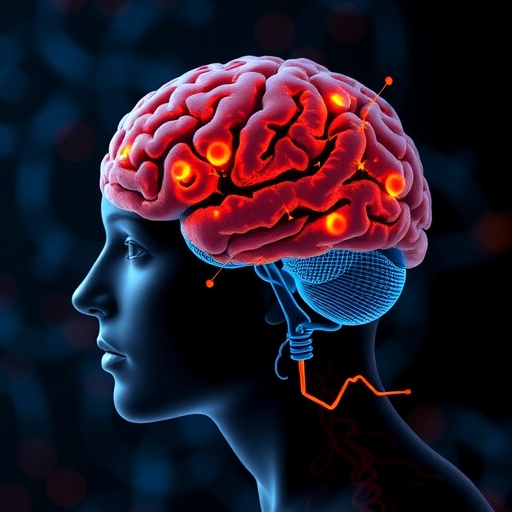
Drug-naïve, first-episode schizophrenia patients may experience subtle brain chemistry disruptions before medication ever begins, according to a new study highlighting glutathione (GSH) redox biology. The research zeroes in on one specific oxidative balance marker—oxidized glutathione (GSSG)—to explain how cellular stress could map onto measurable cognitive difficulties.
Glutathione is the cell’s major small-molecule antioxidant buffer, cycling between reduced (GSH) and oxidized (GSSG) forms. Under normal conditions, the GSH/GSSG ratio helps keep reactive oxygen species in check. When this balance shifts toward oxidation, neurons can face impaired energy metabolism, altered signaling, and vulnerability to oxidative damage.
In the study, investigators assessed glutathione-related redox imbalance in individuals experiencing schizophrenia for the first time, with no prior exposure to antipsychotic drugs. This design reduces a major confound: medication effects that can otherwise blur whether biochemical changes precede symptoms or result from treatment.
The authors report that patterns consistent with increased oxidative pressure—reflected by GSSG-related measures—were associated with cognitive impairment. The findings suggest that redox imbalance is not merely a downstream consequence of chronic disease, but may be present at onset, aligning with theories that early oxidative stress could shape the trajectory of brain function.
Importantly, the work frames cognitive impairment through a biochemical lens. Oxidative shifts can affect synaptic plasticity, including mechanisms related to memory formation and attention. Even modest changes in redox tone may translate into measurable differences on cognitive performance, particularly in networks sensitive to oxidative stress.
By focusing on GSSG, the team provides a more targeted view than studies that treat antioxidant status as a single variable. GSSG is often considered a functional readout of how much antioxidant capacity has been consumed, turning a balance sheet into a more interpretable indicator of cellular stress load.
The study’s emphasis on first-episode, drug-naïve cohorts strengthens the implication that redox dysregulation could represent an early pathogenic process rather than a late-stage marker. If validated in larger samples, GSSG-linked signatures might help stratify patients by biological subtype.
From a translational standpoint, the results raise questions about whether antioxidant modulation could be timed to the earliest stages of schizophrenia. While the current findings do not establish treatment, they sharpen the rationale for testing redox-directed interventions before chronicity and treatment confounds accumulate.
Finally, the work adds to a growing viral-science narrative: that mental disorders may involve measurable molecular disruptions occurring at disease onset. As oxidative chemistry becomes more quantifiable, future studies may connect specific redox trajectories to symptom clusters and cognitive outcomes.
Cite Scienmag News
Courtney Benton. (July 15, 2026). Glutathione redox imbalance linked to cognitive impairment in untreated first-episode schizophrenia. Scienmag. https://scienmag.com/glutathione-redox-imbalance-linked-to-cognitive-impairment-in-untreated-first-episode-schizophrenia/
Courtney Benton. "Glutathione redox imbalance linked to cognitive impairment in untreated first-episode schizophrenia." Scienmag, 15 July 2026, https://scienmag.com/glutathione-redox-imbalance-linked-to-cognitive-impairment-in-untreated-first-episode-schizophrenia/. Accessed 4 September 2026.
Courtney Benton. "Glutathione redox imbalance linked to cognitive impairment in untreated first-episode schizophrenia." Scienmag. July 15, 2026. https://scienmag.com/glutathione-redox-imbalance-linked-to-cognitive-impairment-in-untreated-first-episode-schizophrenia/


