


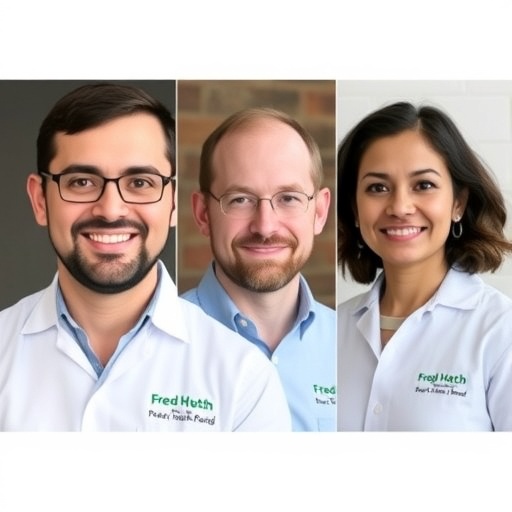
Seattle-based Fred Hutch Cancer Center has announced $975,000 in internal Evergreen Fund support for eight research teams, aiming to translate promising laboratory findings into near-clinical and commercially relevant applications. The program is designed to de-risk early discovery, accelerate evidence generation, and connect investigators with industry partners and venture capital.
This year’s selections were chosen by an advisory board drawn from pharma and biotech leadership, venture investors, and life sciences executives. Their evaluations focused on the projects’ potential to move beyond proof-of-concept and toward assay development, therapeutic engineering, and technology readiness for broader adoption.
One funded effort will produce an assay intended to guide pancreatic cancer treatment decisions by distinguishing between tumor subtypes of ductal adenocarcinoma. The goal is to align therapeutic selection with underlying biology, improving the odds that targeted strategies match the patient’s disease profile.
In immunotherapy, a separate project seeks to improve CAR-T cell effectiveness by boosting function after the initial infusion. By addressing mechanisms that contribute to relapse in blood cancers, the approach targets durability—an ongoing challenge in engineered cell therapies.
Fred Hutch also funded an antibody-based strategy against herpes simplex virus. The work focuses on enabling long-term suppression in individuals with recurrent infection, with a therapeutic design intended to extend antiviral control rather than provide only short-lived clearance.
Beyond infectious disease and oncology strategies, one award supports a concept for stopping acute myeloid leukemia development by eliminating pre-leukemic cells before they progress into aggressive disease. The approach emphasizes intervention at the earliest detectable pathological stage.
Additional projects expand translational capability through gene and cell-systems targeting. Researchers will explore DLK1 pathway inhibition to affect neuroblastoma engraftment, while another team uses AI-designed miniproteins and peptides to disrupt cancer-specific mechanisms tied to chromosome segregation and tumor cell growth.
Finally, an assay-focused study will identify naturally occurring autoantibodies in patients whose cancers respond to checkpoint inhibitors. The aim is to reveal immune signatures that could inform new therapeutic hypotheses and patient stratification beyond current biomarkers.
The Evergreen Fund, launched in 2016, has supported roughly $8.6 million across 73 projects spanning cancer, infectious diseases, and immunotherapy. Fred Hutch notes that investigators and the institution may benefit if any supported discoveries become commercially viable.
Cite Scienmag News
Nathaniel Bowman. (July 15, 2026). Fred Hutch Announces 2026 Evergreen Fund Awardees. Scienmag. https://scienmag.com/fred-hutch-announces-2026-evergreen-fund-awardees/
Nathaniel Bowman. "Fred Hutch Announces 2026 Evergreen Fund Awardees." Scienmag, 15 July 2026, https://scienmag.com/fred-hutch-announces-2026-evergreen-fund-awardees/. Accessed 14 September 2026.
Nathaniel Bowman. "Fred Hutch Announces 2026 Evergreen Fund Awardees." Scienmag. July 15, 2026. https://scienmag.com/fred-hutch-announces-2026-evergreen-fund-awardees/

