

Monday, July 13, 2026
Science
No Result
View All Result
  • Login
  • HOME
  • SCIENCE NEWS
  • CONTACT US
  • HOME
  • SCIENCE NEWS
  • CONTACT US
No Result
View All Result
Scienmag
No Result
View All Result
Home Science News Social Science

Human Impact Shapes Urban Tree Species Diversity, Climate Influences Evolutionary Traits

July 13, 2026
in Social Science
Reading Time: 2 mins read
0
Human Impact Shapes Urban Tree Species Diversity, Climate Influences Evolutionary Traits

Human Impact Shapes Urban Tree Species Diversity, Climate Influences Evolutionary Traits

65
SHARES
587
VIEWS
Share on FacebookShare on Twitter
ADVERTISEMENT

Urban Trees: Human Impact Outweighs Climate in Species Diversity, Study Finds

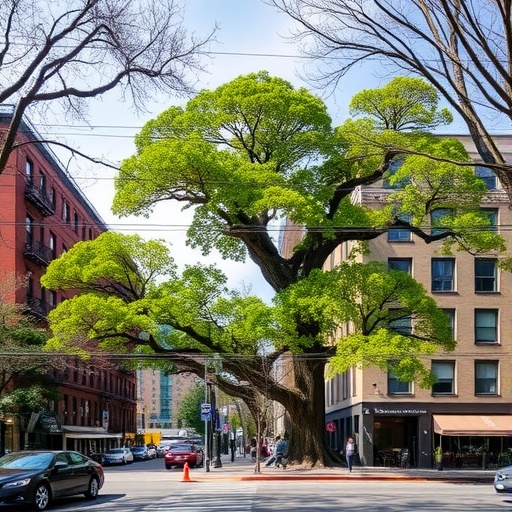
The fabric of urban ecosystems is often taken for granted, yet the trees lining our city streets represent a crucial element in maintaining biodiversity, improving air quality, and enhancing human well-being. A recent study, published in npj Urban Sustainability, sheds light on the factors that govern the diversity of urban street trees, revealing a surprising dominance of human influence over climate in shaping species variety.

Traditionally, climate has been considered the principal driver of both taxonomic and phylogenetic diversity in natural ecosystems. However, this new research challenges that paradigm within urban contexts. By integrating extensive field surveys and advanced phylogenetic analyses across multiple metropolitan areas, the study demonstrates that anthropogenic factors—such as planting strategies, urban planning policies, and socioeconomic variables—largely dictate the taxonomic makeup of street trees.

The research team employed a robust methodological framework, combining species inventories with evolutionary lineage data to dissect diversity at two levels: taxonomic (the number and identity of species) and phylogenetic (the evolutionary relationships among those species). Their findings indicate that taxonomic diversity—essentially the count and variety of tree species—is overwhelmingly governed by human decisions, from nursery availability to cultural preferences in tree planting.

Conversely, when it comes to phylogenetic diversity, climate emerges as the prevailing force. The study suggests that the evolutionary breadth of tree species—reflecting how distantly related those species are—responds more consistently to climatic gradients like temperature and precipitation. This distinction highlights that while people manage the species they plant, environmental conditions still impose a filter on which phylogenetic lineages can thrive and persist in urban environments.

A notable implication of these findings is the potential for urban planners and policymakers to actively tailor tree diversity in cities by adjusting planting practices. By consciously incorporating a wider range of phylogenetic lineages, urban forestry programs can enhance ecosystem resilience, given that phylogenetic diversity is often linked to functional diversity and ecosystem stability.

Moreover, this evidence of human dominance over taxonomic diversity presents both opportunities and challenges. It underscores the power society holds in crafting urban ecosystems but also points to vulnerabilities where homogenized species selection might reduce overall biodiversity and ecosystem services. The study calls for a nuanced approach that balances human preferences with ecological considerations.

Importantly, these insights arrive amid growing international commitments to urban sustainability and biodiversity conservation. As cities expand and face climate uncertainties, recognizing how anthropogenic and environmental factors interact to shape urban flora can inform more effective, adaptive management strategies.

In sum, the research accentuates a dual narrative for urban street trees: people write the species list, but climate frames the evolutionary story. Harnessing this knowledge could be pivotal in designing greener, more resilient cities for the future.

Subject of Research: Taxonomic and phylogenetic diversity of urban street trees

Article Title: Publisher Correction: Anthropogenic Factors Dominate Taxonomic Diversity of Urban Street Trees While Climate Drives Phylogenetic Diversity

Article References: Gao, Z., Yang, Y., Zhuge, M. et al. Publisher Correction: Anthropogenic Factors Dominate Taxonomic Diversity of Urban Street Trees While Climate Drives Phylogenetic Diversity. npj Urban Sustain 6, 100 (2026). https://doi.org/10.1038/s42949-026-00440-y

Image Credits: AI Generated

Tags: anthropogenic factors in biodiversitybiodiversity maintenance in citiesclimate impact on urban ecosystemseffects of socioeconomic variables on urban greeneryevolutionary traits of urban tree specieshuman influence on street tree speciesphylogenetic analysis of urban treesrole of planting strategies in urban tree diversityurban ecosystem management and conservationurban planning and tree species selectionurban tree diversity
Share26Tweet16
Previous Post

Discovery of Sugar Molecules in Interstellar Space Revealed

Next Post

Dietary Changes Lower BMI in Those Genetically Prone to Obesity

Related Posts

Scientists’ credibility varies with audience and perceived intentions
Social Science

Scientists’ credibility varies with audience and perceived intentions

July 13, 2026
Robot umpires reduce bias against star baseball hitters
Social Science

Robot umpires reduce bias against star baseball hitters

July 13, 2026
Teen autism brains respond less to unfamiliar voices, study shows
Social Science

Teen autism brains respond less to unfamiliar voices, study shows

July 13, 2026
Asian House Shrew Reveals Secret Maritime Trade Network
Social Science

Asian House Shrew Reveals Secret Maritime Trade Network

July 13, 2026
Study Links Cosmetic Procedure Addiction to Social Media and Body Image
Social Science

Study Links Cosmetic Procedure Addiction to Social Media and Body Image

July 13, 2026
Beach Season Arrives Early but Remains Unequal for Many Visitors
Social Science

Beach Season Arrives Early but Remains Unequal for Many Visitors

July 13, 2026
Next Post
Dietary Changes Lower BMI in Those Genetically Prone to Obesity

Dietary Changes Lower BMI in Those Genetically Prone to Obesity

  • Mothers who receive childcare support from maternal grandparents show more

    Mothers who receive childcare support from maternal grandparents show more parental warmth, finds NTU Singapore study

    27656 shares
    Share 11059 Tweet 6912
  • University of Seville Breaks 120-Year-Old Mystery, Revises a Key Einstein Concept

    1061 shares
    Share 424 Tweet 265
  • Bee body mass, pathogens and local climate influence heat tolerance

    682 shares
    Share 273 Tweet 171
  • Researchers record first-ever images and data of a shark experiencing a boat strike

    546 shares
    Share 218 Tweet 137
  • Groundbreaking Clinical Trial Reveals Lubiprostone Enhances Kidney Function

    531 shares
    Share 212 Tweet 133
Science

Embark on a thrilling journey of discovery with Scienmag.com—your ultimate source for cutting-edge breakthroughs. Immerse yourself in a world where curiosity knows no limits and tomorrow’s possibilities become today’s reality!

RECENT NEWS

  • Researchers remotely achieve real-time autonomous control of nuclear reactor power
  • IU Study Links Obesity to Leukemia, Weight-Loss Drugs Could Halt It
  • CCNY Researchers Unveil Breakthrough in Quantum Materials Science
  • Groundbreaking Surgery Completed on Western Lowland Gorilla at San Diego Zoo

Categories

  • Agriculture
  • Anthropology
  • Archaeology
  • Athmospheric
  • Biology
  • Biotechnology
  • Blog
  • Bussines
  • Cancer
  • Chemistry
  • Climate
  • Earth Science
  • Editorial Policy
  • Marine
  • Mathematics
  • Medicine
  • Pediatry
  • Policy
  • Psychology & Psychiatry
  • Science Education
  • Social Science
  • Space
  • Technology and Engineering

Subscribe to Blog via Email

Enter your email address to subscribe to this blog and receive notifications of new posts by email.

Join 5,146 other subscribers

© 2025 Scienmag - Science Magazine

Welcome Back!

Login to your account below

Forgotten Password?

Retrieve your password

Please enter your username or email address to reset your password.

Log In
No Result
View All Result
  • HOME
  • SCIENCE NEWS
  • CONTACT US

© 2025 Scienmag - Science Magazine

Discover more from Science

Subscribe now to keep reading and get access to the full archive.

Continue reading
