


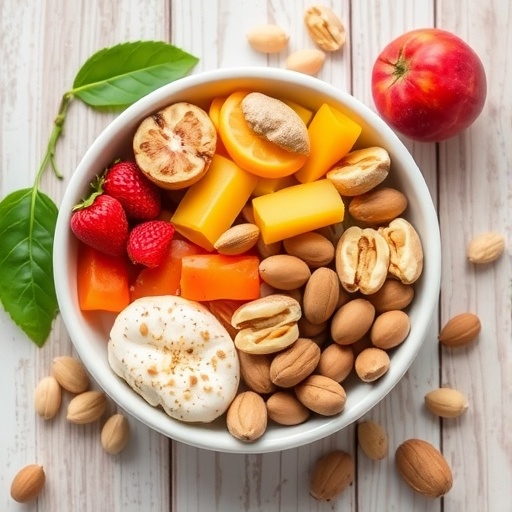
In a groundbreaking study poised to reshape the landscape of inflammatory bowel disease (IBD) treatment, researchers at the University of Louisville have elucidated the molecular mechanisms by which a natural metabolite derived from dietary sources orchestrates a protective immune response in the gut. IBD, encompassing debilitating conditions such as Crohn’s disease and ulcerative colitis, affects millions globally and is characterized by persistent inflammation and compromised intestinal barrier integrity. The intestinal barrier plays a critical role in maintaining homeostasis by allowing nutrient absorption while preventing the translocation of harmful microbial agents. In patients with IBD, this barrier is disrupted, leading to exacerbated inflammation and tissue injury.
Central to this new discovery is urolithin A (UroA), a microbial metabolite produced in the human gut following the ingestion of ellagitannin-rich foods such as pomegranates, walnuts, and berries. The research team led by Dr. Venkatakrishna Rao Jala unveiled how UroA selectively activates the aryl hydrocarbon receptor (AHR), a ligand-activated transcription factor expressed in various cell types, including those that constitute the intestinal epithelium. Unlike conventional views of AHR as a mediator of toxicological responses to environmental contaminants, this study highlights a nuanced role for AHR signaling in immune modulation and barrier function maintenance.
In their experimental design, investigators employed a combination of cell culture models, intestinal organoids, and human tissue samples from IBD patients to delineate the cellular and molecular pathways engaged by UroA. This comprehensive approach allowed them to pinpoint intestinal epithelial cells as the primary sites of AHR activation by UroA. Activated epithelial AHR, in turn, stimulates the assembly of the NLRP6 inflammasome, a multiprotein complex traditionally associated with inflammatory cytokine maturation and pyroptotic cell death. Contrary to the canonical inflammatory paradigm, NLRP6 activation here initiates a controlled release of protective mediators that promote epithelial repair, mucus production, and antimicrobial peptide secretion, collectively enhancing barrier integrity.
This dualistic nature of inflammasome signaling reveals an elegant example of cellular context-determined outcomes of innate immune pathways. While systemic inflammasome activation is linked to pathological inflammation, its epithelial-specific engagement appears to serve as a homeostatic mechanism preserving mucosal immunity and preventing microbial dysbiosis. This insight furthers our understanding of the immune microenvironment in the gut and challenges existing dogmas that broadly classify inflammatory signaling as detrimental in chronic intestinal diseases.
The exploration of UroA’s mechanism also sheds light on the intricacies of diet-microbiota-host interactions that underpin gut health. Dietary metabolites have emerged as critical modulators of signaling networks that maintain tissue equilibrium. This study positions urolithin A as a pivotal molecular bridge linking dietary intake to cellular defense strategies, mediated through receptor-mediated inflammasome activation. By elucidating this axis, the findings offer a compelling rationale for dietary or microbiota-targeted interventions designed to harness endogenous metabolites for therapeutic benefit.
Importantly, the protective pathway abrogates damage caused by intestinal injury without invoking broad immunosuppression, a common drawback of current IBD therapies that can predispose patients to infections and malignancies. Targeted activation of epithelial AHR by UroA selectively augments mucosal barrier function while modulating local immunity, offering a precision medicine approach with potentially fewer side effects.
From a translational perspective, these insights could catalyze the development of novel therapeutics that mimic or potentiate UroA’s activity, aiming to restore gut barrier homeostasis in individuals suffering from IBD and other gastrointestinal disorders. Unlike systemic immunomodulators, such agents could enhance intrinsic repair mechanisms, reinforcing the mucosal shield against microbial translocation and inflammation relapse.
Furthermore, this research underscores the importance of endothelial and epithelial cellular compartments in orchestrating immune responses that are finely tuned to environmental and nutritional cues. The aryl hydrocarbon receptor emerges as a nodal point integrating extrinsic and intrinsic signals, modulating inflammasome dynamics uniquely in epithelial cells as opposed to immune cells such as macrophages or dendritic cells, where AHR activation may produce opposing outcomes.
The team’s validation using human intestinal biopsies strengthens the clinical relevance of their findings, demonstrating that UroA-induced AHR-NLRP6 activation is not merely an experimental artifact but a genuine biological phenomenon with implications in human disease states. The investigation also highlights the potential inter-individual variability in microbiota capacity to generate UroA, which may influence susceptibility or response to treatment in IBD patients.
Concluding remarks from the lead investigators emphasize the broader implications of delineating this pathway. By distinguishing harmful from beneficial inflammatory cascades, the study advocates for selective immunomodulation strategies that leverage inherent protective mechanisms instead of indiscriminate suppression. This paradigm shift could revolutionize therapeutic approaches, fostering better clinical outcomes and improved quality of life for those affected by chronic intestinal inflammation.
Collectively, these findings mark a significant advance in gut immunology and open new avenues for precision dietary-based therapeutics. The interaction between diet-derived microbial metabolites, host epithelial signaling, and inflammasome activation represents a complex yet promising frontier in combating chronic inflammatory diseases. As our understanding deepens, integrating nutritional sciences with immunopharmacology may yield innovative treatments that redefine gut health maintenance.
News Publication Date: 23-Jun-2026
Web References: http://dx.doi.org/10.1038/s41467-026-73760-3
References: Published in Nature Communications
Cite Scienmag News
Ophelia Keating. (June 24, 2026). UofL Scientists Reveal How Combining Fruits and Nuts with Specific Gut Microbes Promotes Intestinal Healing. Scienmag. https://scienmag.com/uofl-scientists-reveal-how-combining-fruits-and-nuts-with-specific-gut-microbes-promotes-intestinal-healing/
Ophelia Keating. "UofL Scientists Reveal How Combining Fruits and Nuts with Specific Gut Microbes Promotes Intestinal Healing." Scienmag, 24 June 2026, https://scienmag.com/uofl-scientists-reveal-how-combining-fruits-and-nuts-with-specific-gut-microbes-promotes-intestinal-healing/. Accessed 3 September 2026.
Ophelia Keating. "UofL Scientists Reveal How Combining Fruits and Nuts with Specific Gut Microbes Promotes Intestinal Healing." Scienmag. June 24, 2026. https://scienmag.com/uofl-scientists-reveal-how-combining-fruits-and-nuts-with-specific-gut-microbes-promotes-intestinal-healing/


