


Pancreatic cancer remains one of the most lethal malignancies, representing the third leading cause of cancer-related mortality in the United States. Despite intense research efforts, improvements in treatment outcomes have been limited due to the aggressive nature of the disease and its ability to resist conventional therapies. At the forefront of innovative cancer research, scientists at the Salk Institute have delved into the molecular mechanisms underlying the action of entinostat, a histone deacetylase inhibitor (HDACi), revealing pathways that might revolutionize how this and similar drugs are employed against pancreatic tumors.
HDAC inhibitors have long been investigated for their potential to impede cancer progression by altering the epigenetic landscape of tumor cells. These compounds block histone deacetylases, enzymes that typically modify chromatin structure to suppress gene expression. Though promising in theory, HDAC inhibitors have faced clinical setbacks, largely attributed to dose-limiting toxicities that affect healthy tissues. The Salk research team, headed by Ronald Evans, PhD, set out to dissect the nuanced biological functions of entinostat within pancreatic cancer cells to overcome these obstacles.
The researchers embarked on a comprehensive analysis using both human and murine pancreatic cancer models, meticulously charting transcriptional changes triggered by entinostat treatment. Contrary to the classical view of HDACs as mere gene silencers, their work illuminated a paradoxical role where HDAC activity is essential to sustain the expression of genes responsible for DNA repair. This unanticipated finding reshapes our understanding of HDAC biology in the context of pancreatic cancer and offers new strategic avenues for intervention.
Central to their discovery was the observation that HDAC enzymes facilitate the recruitment and proper deployment of the cell’s transcriptional machinery to DNA repair gene loci. When entinostat inhibits HDACs, this transcriptional apparatus is redistributed, leading to the repression of repair genes. The resultant deficiency impairs the tumor cells’ capacity to mend DNA lesions effectively, heightening their susceptibility to agents that inflict DNA damage—a cornerstone of many existing chemotherapies and radiation therapies.
This mechanistic insight carries profound therapeutic implications. Pancreatic tumors notoriously exhibit robust DNA repair capabilities, which confer resistance to DNA-damaging treatments. By pharmacologically crippling this defense via entinostat-mediated HDAC inhibition, the Salk team demonstrated significantly increased tumor cell vulnerability. When used in combination with DNA-damaging agents, entinostat synergistically amplified treatment efficacy, heralding a potential paradigm shift in pancreatic cancer therapy.
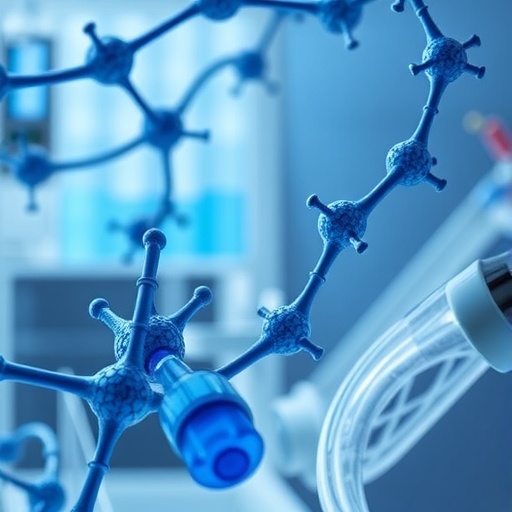
Recognizing the clinical challenges posed by the systemic toxicity of HDAC inhibitors, the researchers went further to engineer a novel drug delivery platform. Collaborating with experts at MIT, they crafted bottlebrush-shaped nanoparticles capable of encapsulating entinostat and preferentially delivering it to tumor sites. These nanoparticles gradually release the drug, maintaining therapeutic concentrations within the tumor microenvironment while minimizing exposure and adverse effects in healthy tissues.
Preclinical evaluations of the nanoparticle-based entinostat delivery system yielded promising results. Treated mice exhibited potent anti-tumor responses with reduced toxicity profiles, underscoring the translational potential of this approach. This innovation may not only enhance the therapeutic index of entinostat but also pave the way for similar strategies with other existing drugs that are limited by systemic side effects.
The study’s findings extend beyond pancreatic cancer, as many malignancies rely on heightened DNA repair activity to evade therapeutic injury. By disrupting this fundamental survival mechanism, HDAC inhibitors could be harnessed more broadly to sensitize tumors to DNA-damaging interventions, potentially reshaping the treatment landscape for various resistant cancers.
Future research will focus on fine-tuning the nanoparticle carriers to optimize drug release kinetics and delivery precision. A particularly exciting avenue involves co-loading nanoparticles with both entinostat and DNA-damaging agents, ensuring simultaneous local administration to maximize synergistic effects. Such innovations could markedly improve the efficacy and safety profile of combination therapies.
The work also exemplifies the critical importance of foundational research in elucidating the complexities of drug action and resistance. Rather than abandoning drugs with disappointing clinical outcomes, the study highlights how deep mechanistic understanding can unlock new therapeutic potentials, ultimately benefiting patients.
This research was made possible through numerous collaborations and generous funding, including support from the National Institutes of Health, various private foundations, and the Lustgarten Foundation. The collective efforts of interdisciplinary teams at the Salk Institute, MIT, UC San Diego, Dartmouth College, and beyond underscore the value of cooperative scientific inquiry.
As the Salk Institute continues its mission to pioneer transformative biological studies, these advances in pancreatic cancer treatment represent a beacon of hope. By marrying epigenetic therapeutics with innovative drug delivery systems, the prospect of more effective and tolerable cancer therapies moves closer to reality.
For clinicians and researchers alike, these insights offer a new lens through which to view HDAC inhibitors—not as flawed agents to be discarded but as powerful tools whose potential can be unleashed through strategic combinations and precision delivery technologies.
News Publication Date: June 26, 2026
Web References: https://doi.org/10.1073/pnas.2536040123
References: Proceedings of the National Academy of Sciences, 2026
Cite Scienmag News
Nathaniel Bowman. (June 23, 2026). New Foundational Research Unveils Promising Therapeutic Strategies for Emerging Cancer Drug. Scienmag. https://scienmag.com/new-foundational-research-unveils-promising-therapeutic-strategies-for-emerging-cancer-drug/
Nathaniel Bowman. "New Foundational Research Unveils Promising Therapeutic Strategies for Emerging Cancer Drug." Scienmag, 23 June 2026, https://scienmag.com/new-foundational-research-unveils-promising-therapeutic-strategies-for-emerging-cancer-drug/. Accessed 5 September 2026.
Nathaniel Bowman. "New Foundational Research Unveils Promising Therapeutic Strategies for Emerging Cancer Drug." Scienmag. June 23, 2026. https://scienmag.com/new-foundational-research-unveils-promising-therapeutic-strategies-for-emerging-cancer-drug/


