


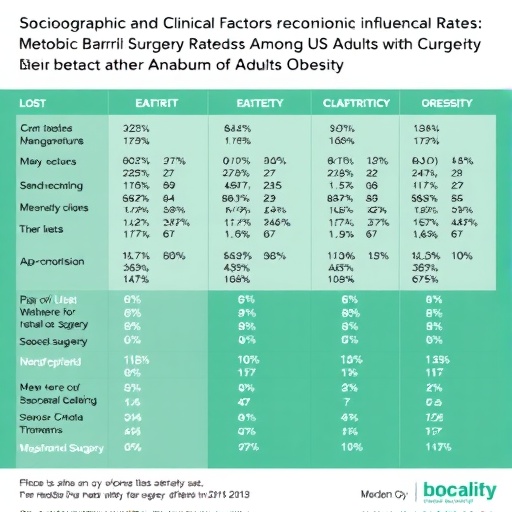
In an expansive cohort study examining individuals diagnosed initially with obesity, researchers have unearthed critical insights revealing how the adoption of metabolic bariatric surgery is influenced by an intricate interplay of demographic characteristics, clinical profiles, and the accessibility of healthcare services. This revelation points to a major, yet addressable, disparity in the utilization of surgical interventions proven to be effective in combating severe obesity and its associated comorbidities. The implications of these findings are profound, suggesting that targeted policy reforms and intervention programs could significantly enhance equitable access to metabolic bariatric surgery.
Obesity, recognized globally as a multifaceted metabolic disorder, constitutes a significant public health crisis linked intricately with conditions such as diabetes, cardiovascular diseases, and certain forms of cancer. Despite the documented efficacy of metabolic bariatric surgery in inducing substantial and sustained weight loss, systemic barriers persist that limit the opportunity for many eligible patients to undergo these life-altering procedures. This study systematically explores the determinants that guide patients’ pathways to surgery, effectively unpacking the layers of socio-demographic and clinical factors that predicate access.
The research methodology entailed a thorough longitudinal analysis of a diverse population segment flagged with an initial clinical obesity diagnosis. Utilizing advanced statistical models, the investigators examined variables encompassing age, gender, racial and ethnic background, socioeconomic status, comorbidity burdens, and the healthcare infrastructure available within patients’ communities. Such a comprehensive approach allowed for the dissection of how each factor individually and collectively steers the likelihood of patients electing or being offered bariatric surgery.
One striking observation from the study is the pronounced impact of demographic variables on surgical uptake. For instance, minority groups and individuals situated in lower socioeconomic strata demonstrated reduced rates of bariatric surgery despite qualifying clinically. This underscores a persistent health inequity, likely underpinned by systemic biases, disparities in healthcare literacy, and variable affordability or insurance coverage. Furthermore, regional disparities accentuated by urban versus rural healthcare provision were noted, indicating spatial determinants as a significant modulatory element in surgical access.
Clinically, the severity and progression of obesity-related complications appear to modulate surgical uptake, with those presenting with more advanced metabolic sequelae being prioritized or more readily consenting to surgery. Nonetheless, the trajectory from diagnosis to surgical candidacy is not straightforward, highlighting the complexities of clinical decision-making influenced by physician referral patterns, patient preferences, risk-benefit perceptions, and preoperative evaluation protocols. These factors cumulatively contribute to a nuanced landscape governing operative intervention.
The analysis also extended to health system attributes, revealing that variations in provider availability, hospital resources, insurance frameworks, and referral networks deeply influence metabolic bariatric surgery rates. Facilities embedded within integrated healthcare systems or those with established multidisciplinary obesity management programs showed enhanced surgical access, reflecting the critical value of coordinated care models in translating clinical evidence into practice.
Crucially, this cohort study’s findings advocate for an overhaul in public health strategies aimed at reducing barriers to metabolic bariatric surgery. This involves policy initiatives geared toward universal coverage mandates, enhancement of community outreach and education, expansion of specialized surgical services into underserved areas, and the cultivation of cultural competency among healthcare providers. Addressing these challenges comprehensively could alter the landscape of obesity treatment and dramatically improve patient outcomes.
From a scientific perspective, this investigation contributes to a growing body of literature emphasizing the necessity of considering social determinants of health in clinical intervention frameworks. It also raises awareness about the ethical imperatives to ensure that advancements in medical science are equitably accessible, especially in the management of chronic conditions with profound societal burdens. Furthermore, the study underscores the need for ongoing research to refine predictive models that accurately identify candidates who would benefit most from metabolic bariatric surgery.
The resultant knowledge from this research holds substantial promise for reshaping clinical guidelines and healthcare policies globally. By bridging gaps in access, clinicians and policymakers can better mitigate the escalating prevalence of obesity and its dire metabolic consequences. This transformation will inevitably require multifaceted collaboration among stakeholders in public health, medicine, social services, and patient advocacy spheres to foster environments conducive to health equity.
In summary, the revelations from this cohort study illuminate a critical juncture at which medical technology meets socioeconomic realities. Bridging the divide between effective obesity treatments like metabolic bariatric surgery and equitable access remains a formidable but essential challenge. Advancing toward this goal will not only improve individual health trajectories but also alleviate the broader societal impacts of obesity-related diseases, yielding far-reaching benefits in public health.
As clinicians, researchers, and policymakers digest these findings, the pathway forward is clear: deliberate, data-informed interventions and policies must be deployed to overcome entrenched disparities. Only then can the full potential of metabolic bariatric surgery be realized for all individuals grappling with obesity, regardless of background or circumstance.
This study offers a compelling blueprint for future investigations, emphasizing the critical role of multidisciplinary collaboration and the need for inclusive healthcare reforms. It is an urgent call to action to ensure that life-saving surgical options are not the privilege of a few but the standard of care accessible to all eligible populations confronting metabolic disorders.
News Publication Date: Data not provided.
Web References: Data not provided.
References: Data not provided.
Cite Scienmag News
Ophelia Keating. (June 16, 2026). Sociodemographic and Clinical Factors Influencing Metabolic Bariatric Surgery Rates Among US Adults with Obesity. Scienmag. https://scienmag.com/sociodemographic-and-clinical-factors-influencing-metabolic-bariatric-surgery-rates-among-us-adults-with-obesity/
Ophelia Keating. "Sociodemographic and Clinical Factors Influencing Metabolic Bariatric Surgery Rates Among US Adults with Obesity." Scienmag, 16 June 2026, https://scienmag.com/sociodemographic-and-clinical-factors-influencing-metabolic-bariatric-surgery-rates-among-us-adults-with-obesity/. Accessed 3 September 2026.
Ophelia Keating. "Sociodemographic and Clinical Factors Influencing Metabolic Bariatric Surgery Rates Among US Adults with Obesity." Scienmag. June 16, 2026. https://scienmag.com/sociodemographic-and-clinical-factors-influencing-metabolic-bariatric-surgery-rates-among-us-adults-with-obesity/


