


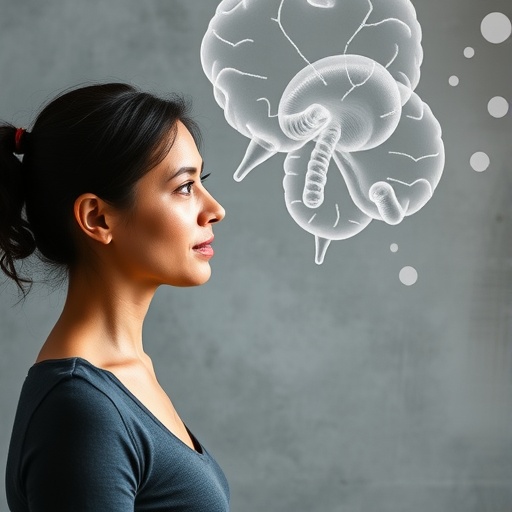
Migraine, a neurological disorder characterized by intense, often debilitating headaches, continues to be a significant public health challenge worldwide. Despite advances in pharmacological treatments, the condition’s complexity demands a more nuanced approach that acknowledges the intertwining roles of biological, psychological, and social factors. Recent scholarship has begun to unravel this intricate interplay, moving beyond the traditional medical model that focuses narrowly on pharmacotherapy. Today, there is a growing recognition of psychological interventions as indispensable components in the comprehensive management of migraine, promising to revolutionize how this pervasive condition is treated.
At the heart of this emerging paradigm lies the biopsychosocial model, which shifts focus from merely targeting neurological symptoms to understanding the multifaceted nature of migraine. This model posits that emotional states, psychological resilience, social context, and biological predispositions collectively influence the onset, manifestation, and progression of migraine. By integrating these dimensions, patients are not only treated for pain but are also supported in developing coping strategies that mitigate the broader impact of migraine on their quality of life. This holistic framework fundamentally challenges the notion that innovative medications alone can sufficiently address the migraine burden.
Psychological interventions such as relaxation training, biofeedback, cognitive behavioral therapy (CBT), mindfulness, and acceptance and commitment therapy (ACT) have emerged as critical tools within this therapeutic landscape. Each approach targets the psychological and physiological components that modulate migraine frequency and severity. Relaxation techniques, including progressive muscle relaxation and guided imagery, aim to reduce the sympathetic nervous system overactivity commonly associated with migraine triggers. By fostering a calmer physiological state, these methods can diminish stress-induced migraine episodes, offering patients a non-invasive and accessible coping mechanism.
Biofeedback, another prominent intervention, employs real-time monitoring of physiological functions—like heart rate, muscle tension, and skin temperature—to help patients develop control over their autonomic nervous responses. This self-regulatory capacity is crucial, considering how autonomic dysregulation often exacerbates migraine pathology. Clinical trials have demonstrated that biofeedback not only lowers headache frequency but also enhances patients’ perceived control over their condition, which can be profoundly empowering. The neurophysiological mechanisms likely involve the attenuation of cortical hyperexcitability and modulation of brainstem structures implicated in migraine pathogenesis.
Cognitive behavioral therapy has been extensively studied and applied as a psychological strategy to alter maladaptive thought patterns and behaviors that contribute to migraine exacerbation. By challenging catastrophic thinking, reducing anxiety related to potential migraine attacks, and promoting lifestyle modifications, CBT equips patients with skills to manage both the emotional distress and behavioral triggers of migraine. This intervention extends beyond symptom relief, fostering long-term psychological resilience that can significantly enhance treatment outcomes and reduce reliance on medications with potential side effects.
Mindfulness-based interventions have captured scientific interest due to their capacity to cultivate present-moment awareness and non-judgmental acceptance of pain. This shift away from pain avoidance or resistance is particularly salient for migraine sufferers, whose anticipatory anxiety can heighten pain perception and disrupt daily functioning. Neuroimaging studies suggest that mindfulness practice can alter neural circuits related to pain processing and emotional regulation, including areas of the anterior cingulate cortex and prefrontal cortex. The resulting enhancement in pain modulation mechanisms offers a promising adjunct to conventional migraine therapies.
Acceptance and commitment therapy, a recent addition to the psychological strategies applied in migraine care, emphasizes psychological flexibility and value-driven living despite ongoing pain. Rather than aiming to directly reduce migraine symptoms, ACT encourages patients to accept their experiences without avoidance and to commit to actions consistent with their personal values. This approach addresses the often-debilitating psychological burden of chronic migraine, such as feelings of helplessness and social withdrawal, by fostering meaningful engagement with life even when pain persists. Research is beginning to demonstrate its utility in decreasing migraine-related disability and improving life satisfaction.
Patient education stands as a foundational step in integrating psychological interventions into the broader treatment framework. Educating individuals about the multifactorial nature of migraine, common triggers, stress management techniques, and the available psychological therapies empowers patients to take an active role in their care. Knowledge dissemination also helps dispel stigma and misconceptions around migraine and its management, encouraging more holistic and informed treatment choices. Contemporary digital platforms, including mobile health applications, offer scalable avenues for widespread patient education, potentially overcoming geographic and resource-related barriers.
However, the translation of psychological interventions from research settings into routine clinical practice faces several challenges. Barriers include limited access to trained mental health professionals, patient skepticism towards non-pharmacological treatments, and difficulties in maintaining long-term adherence to psychological therapies. Addressing these issues will require strategic integration of multidisciplinary care teams, robust patient engagement efforts, and the development of tailored interventions that consider individual patient profiles and preferences.
Digital health solutions are poised to play a transformative role in overcoming these obstacles. Telemedicine platforms and mobile applications equipped with interactive modules can deliver psychological therapies remotely, offering personalized, on-demand support. For example, apps that guide users through relaxation exercises, mindfulness sessions, or CBT techniques enable continuous self-management and real-time symptom monitoring. Digital interventions also offer rich data streams that can inform adaptive treatment adjustments and foster patient-provider communication, thereby enhancing the overall efficacy and continuity of migraine care.
Looking forward, the convergence of neurology, psychology, and digital technology is expected to redefine migraine treatment paradigms. Precision medicine efforts that incorporate psychological profiles alongside genetic and physiological markers may allow clinicians to devise highly individualized therapeutic regimens. Moreover, ongoing research into the neural substrates of psychological interventions promises deeper insights into their mechanisms of action, paving the way for optimized protocols and combination treatments that maximize benefits.
The integration of psychological interventions within migraine management is not merely complementary but essential for addressing the full spectrum of factors influencing this condition. By embracing the biopsychosocial model, healthcare providers can deliver more compassionate, effective, and sustainable care. This approach acknowledges that while pharmacological advances remain critical, empowering patients through mental health strategies and leveraging technological innovations will dramatically improve outcomes and reduce the immense societal burden posed by migraine.
In conclusion, the shift towards incorporating psychological interventions signals a paradigm shift that balances biological understanding with the lived experience of migraine patients. The potential to alleviate suffering extends beyond mere symptom control to encompass emotional well-being and social functioning. As multidisciplinary approaches mature and digital health expands, migraine care stands on the brink of a new era—one where science and empathy converge to transform lives afflicted by this complex neurological disorder.
Cite Scienmag News
Ophelia Keating. (June 15, 2026). Effective Psychological Approaches to Migraine Relief. Scienmag. https://scienmag.com/effective-psychological-approaches-to-migraine-relief/
Ophelia Keating. "Effective Psychological Approaches to Migraine Relief." Scienmag, 15 June 2026, https://scienmag.com/effective-psychological-approaches-to-migraine-relief/. Accessed 4 September 2026.
Ophelia Keating. "Effective Psychological Approaches to Migraine Relief." Scienmag. June 15, 2026. https://scienmag.com/effective-psychological-approaches-to-migraine-relief/


