


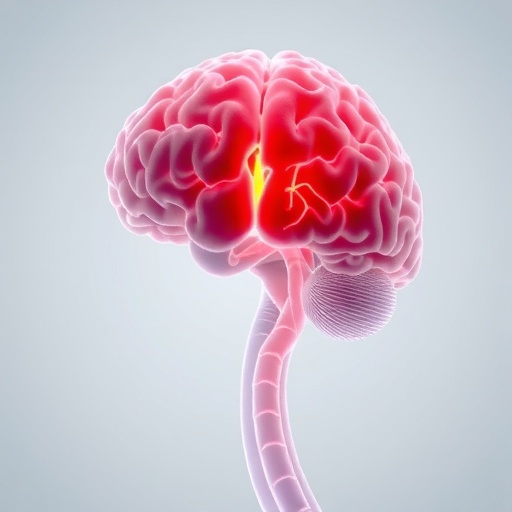
In a groundbreaking study set to redefine clinical approaches to brain arteriovenous malformations (AVMs) in the elderly, a multicenter prospective cohort investigation has unveiled nuanced insights into treatment patterns and patient outcomes. Brain arteriovenous malformations, complex tangles of abnormal blood vessels connecting arteries and veins, have historically posed a significant treatment challenge due to their intricate vascular architecture and risks of hemorrhage. This latest research spearheaded by Yuan, K., Hu, N., Li, Z., and collaborators offers an unprecedented comprehensive analysis targeting an often overlooked demographic: elderly patients.
The elderly subset of patients with brain AVMs represents a uniquely vulnerable population. Typically marked by coexisting morbidities and decreased physiological resilience, they embody a cohort where therapeutic decisions must carefully balance potential benefits against heightened risks. Prior studies predominantly focused on younger cohorts with AVMs, where interventional therapies such as surgical resection, embolization, and stereotactic radiosurgery have clearer risk-benefit profiles. However, this new multicenter study bridges a critical gap, delivering prospective data that could transform clinical decision-making paradigms specifically in geriatric neurology.
This ambitious study surveyed treatment modalities across multiple centers, emphasizing real-world practice variations and their longitudinal consequences. Through rigorous enrollment criteria, the cohort consisted solely of elderly patients diagnosed with brain AVMs, thereby eliminating confounding variables common in mixed-age population studies. Participants were meticulously followed with standardized protocols assessing neurological function, hemorrhagic events, and survival outcomes over a substantial timeframe. This methodological robustness ensures reliability and paves the way for evidence-driven therapeutic guidelines.
The core revelations of this investigation spotlight treatment heterogeneity, where age-related physiological decline influenced clinical strategy choices. Notably, surgical interventions, often considered definitive for AVM eradication, were approached with caution in older adults due to concerns about perioperative morbidity and mortality. Consequently, clinicians appeared more inclined toward conservative management or minimally invasive procedures such as embolization and radiosurgery, highlighting a paradigm shift underscored by patient safety prioritization.
Detailed analysis revealed that although surgical resection carries a higher immediate risk in elderly cohorts, selected patients with favorable anatomical and clinical profiles still derived significant long-term benefit. Conversely, less aggressive treatments, while encountering lower perioperative risk, occasionally faltered in reducing future hemorrhagic occurrences, underscoring a complex risk-benefit interplay. These findings emphasize the critical need for individualized treatment plans incorporating comprehensive risk stratification tools that integrate patient-specific parameters like lesion size, location, and neurological status.
The investigation also explored the influence of comorbid conditions, such as hypertension, diabetes, and cardiovascular disease, prevalent in elderly populations, on treatment outcomes. These comorbidities compounded the complexity of managing brain AVMs, often exacerbating perioperative risks and impacting recovery trajectories. The study’s prospective nature facilitated systematic capturing of these variables, yielding refined insights into how multimorbidity intricately modulates therapeutic efficacy and patient prognosis.
Importantly, the multicenter approach facilitated cross-institutional comparisons that identified disparities in access to specialized care and differences in treatment algorithms. The breadth of data amassed revealed that centers equipped with advanced neurovascular expertise tended to adopt more aggressive interventions with improved outcomes, signaling the value of centralized care models for this delicate patient segment. This finding may fuel advocacy for specialized geriatric neurovascular units to optimize clinical results.
From a radiological standpoint, state-of-the-art imaging protocols were integral to patient assessment, enabling precise characterization of AVM angioarchitecture and predicted rupture risks. High-resolution MRI and digital subtraction angiography provided critical anatomical data to guide intervention selection and anticipate complications. This underscores the role of advanced imaging not merely as diagnostic tools but as pivotal decision-making instruments in tailoring personalized treatment regimens.
Neurocognitive assessments were another pillar of the study, recognizing that treatment choices impact not only survival but also quality of life parameters. Cognitive decline, functional independence, and neurological deficits were systematically evaluated pre- and post-treatment to provide a holistic view of patient-centered outcomes. The findings accentuate that successful AVM management in the elderly transcends lesion obliteration, encompassing preservation of neurocognitive integrity and functional autonomy.
Moreover, the data suggest evolving trends toward multidisciplinary management involving neurosurgeons, interventional radiologists, geriatricians, and rehabilitation specialists. This integrative approach appears crucial in addressing the multifaceted needs of elderly AVM patients, optimizing both acute care and long-term recovery. The study advocates for institutional frameworks facilitating collaborative care pathways to enhance therapeutic success and patient satisfaction.
Looking ahead, this research paves the road for developing predictive algorithms harnessing clinical, radiographic, and molecular biomarkers to stratify elderly patients effectively. Such tools could revolutionize treatment personalization, minimizing unnecessary risks while maximizing clinical gains. The emerging paradigm emphasizes precision medicine tailored to the aging brain’s distinct pathophysiology and the complex dynamics of vascular malformations.
The broader implications of this study extend into healthcare policy and resource allocation for an aging global population. As the prevalence of elderly patients with brain AVMs inevitably rises, healthcare systems must anticipate and adapt to the increasing demand for specialized neurovascular services. Establishing evidence-based protocols grounded in robust prospective data, as exemplified here, will be instrumental in guiding sustainable, high-quality care delivery frameworks.
This landmark investigation also challenges prevailing clinical dogmas that often marginalize elderly patients from interventional therapies purely based on chronological age. Instead, it champions a nuanced perspective recognizing heterogeneity within this demographic and the potential for meaningful interventions. It calls for a paradigm shift where age alone is not exclusionary but part of a multifactorial decision matrix weighing risks, benefits, and patient preferences.
In conclusion, the study by Yuan et al. emerges as a seminal contribution, offering clarity and direction in the complex landscape of brain AVM management among elderly patients. By illuminating treatment patterns and correlating them with robust outcome metrics, it catalyzes a critical dialogue among clinicians, researchers, and policymakers. The integration of sophisticated imaging, comprehensive comorbidity assessment, and multidisciplinary collaboration presents a holistic roadmap toward improving survival and quality of life for this challenging patient population.
As clinical practice evolves, this research underscores the indispensability of continued prospective data collection and validation studies. Future investigations building on these findings will be pivotal in refining guidelines, incorporating novel therapeutic modalities, and harnessing technological advancements like artificial intelligence in diagnosis and treatment planning. The quest to unravel the intricacies of brain arteriovenous malformations in the elderly is far from over, but this study marks a decisive leap forward.
Cite Scienmag News
Cassandra Pierce. (June 15, 2026). Elderly Brain AVM Treatment and Outcomes Explored. Scienmag. https://scienmag.com/elderly-brain-avm-treatment-and-outcomes-explored/
Cassandra Pierce. "Elderly Brain AVM Treatment and Outcomes Explored." Scienmag, 15 June 2026, https://scienmag.com/elderly-brain-avm-treatment-and-outcomes-explored/. Accessed 4 September 2026.
Cassandra Pierce. "Elderly Brain AVM Treatment and Outcomes Explored." Scienmag. June 15, 2026. https://scienmag.com/elderly-brain-avm-treatment-and-outcomes-explored/


