


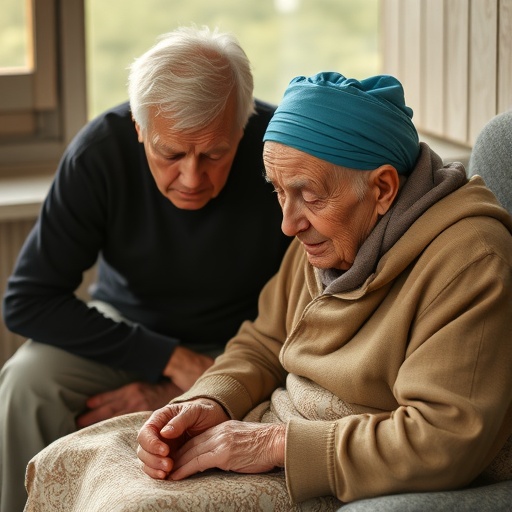
In a groundbreaking study conducted in Southern Iran, researchers have illuminated the intricate relationship between frailty and quality of life among the elderly, adding significant nuance to the global understanding of aging populations. This investigation, part of the Bushehr Elderly Health Program, leverages a comprehensive dataset to explore how the multidimensional syndrome of frailty—characterized by decreased physiological reserves and increased vulnerability to stressors—directly impacts the subjective well-being of older adults. The findings of this study have far-reaching implications, revealing the critical need for targeted interventions aimed at preserving and enhancing life quality in aging communities worldwide.
Frailty, long recognized in gerontology, is a complex clinical state that diminishes an individual’s functional capacities, posing heightened risks for adverse health outcomes including falls, hospitalization, disability, and mortality. However, the study’s focal point is not merely the biomedical aspect; it transcends to the psycho-social dimensions by examining how frailty intertwines with perceived quality of life. Quality of life (QoL), a multifaceted construct often evaluated through physical health, psychological state, level of independence, social relationships, and environment, serves as a holistic barometer of well-being in elderly cohorts. Thus, this research not only quantifies the frailty burden but contextualizes it within life satisfaction and emotional resilience frameworks.
The Bushehr Elderly Health Program—an ambitious longitudinal cohort study—provided a robust platform for this inquiry with its rich epidemiological data and comprehensive assessments of elders aged 60 and above residing in Southern Iran. Utilizing validated frailty scales and QoL measurement tools, the investigation meticulously delineates the prevalence of frailty and maps its correlation with various domains of life quality. Researchers applied multidimensional instruments, integrating objective physiological markers with subjective evaluations, thereby enhancing the fidelity of the association analysis.
One of the standout revelations of this study lies in its stratified analysis that reveals disproportionate vulnerabilities among subpopulations, accentuating how gender, socioeconomic status, and comorbidities modulate the impact of frailty on quality of life. For instance, elderly women showed a heightened susceptibility to the decline in QoL relative to their male counterparts, possibly reflecting underlying social determinants such as access to healthcare, economic independence, and community support systems. This nuanced insight underscores the necessity for gender-sensitive healthcare policies and programs tailored to the unique needs of older women in this region.
At a physiological level, the researchers explored biomarkers related to muscular strength, cognitive function, and inflammatory status, which are known to contribute to frailty. They demonstrated that diminished muscle mass and cognitive impairment strongly predict not only physical debility but also negatively influence psychological well-being and social engagement, critical facets of quality of life. This underscores the interconnectedness of body and mind in the aging process and advocates for integrated healthcare approaches that prioritize both physical rehabilitation and mental health support.
The analysis also delved into the role of chronic diseases, including cardiovascular and metabolic disorders, prevalent in the elderly population of Bushehr. The presence of such comorbid conditions exacerbates the frailty trajectory and perpetuates a vicious cycle of declining autonomy and satisfaction with life. The study’s findings advocate for enhanced screening and management protocols within primary healthcare settings to mitigate these intertwined risks effectively.
In examining environmental and social parameters, the study highlights the influence of living conditions, social networks, and cultural factors on elderly quality of life. Those residing in more socially cohesive and culturally supportive environments reported better subjective well-being despite frailty symptoms, hinting at the buffering effect of social capital. Such observations push forward the argument for community-based interventions and social engagement initiatives as vital complements to medical treatments.
A particularly compelling aspect of the study addresses psychological resilience—a dynamic capacity to maintain or regain mental health despite adversity. The researchers identified that psychological resilience mediates the relationship between frailty and quality of life, suggesting that mental fortitude can partially offset the physical debilitations typical of frailty. This aligns with emerging gerontological paradigms stressing the plasticity of aging and the potential for resilience-building to improve outcomes in vulnerable elders.
Moreover, this research contributes methodologically to aging studies by blending cross-sectional and longitudinal approaches, allowing for temporal insights into how frailty and quality of life evolve together over time. This dynamic perspective facilitates the identification of critical windows for intervention and underscores the progressive nature of frailty rather than viewing it as a static condition.
The implications of these findings extend well beyond Southern Iran, resonating with global aging trends. As populations worldwide experience demographic shifts towards older age structures, understanding the frailty-QoL nexus becomes paramount in crafting responsive healthcare systems. The study thus calls for international collaboration in developing standardized protocols that integrate frailty assessment with quality of life measures to promote holistic elderly care.
Policymakers and healthcare providers are urged to take heed of these insights, recognizing that improvements in frailty management hold promise not only for extending lifespan but more importantly for enhancing healthspan—the period of life free from significant disability. Proactive strategies including physical exercise programs, nutritional supplementation, cognitive training, and social engagement initiatives could collectively sustain or improve the quality of life among frail elders.
Notably, the study also highlights the economic dimension of frailty-induced decline, emphasizing how deteriorating quality of life translates into increased healthcare utilization and societal costs. Investment in preventative and rehabilitative services could thus yield significant cost savings, as well as elevate the dignity and autonomy of aging individuals.
The Bushehr study’s reliance on community-based data accentuates the critical role of localized research that reflects specific cultural, social, and healthcare contexts. These localized insights complement global gerontological knowledge, fostering culturally competent interventions that respect and harness contextual strengths and address unique challenges.
Lastly, as technology and digital health solutions evolve, there is an unprecedented opportunity to incorporate innovative monitoring and intervention tools that can aid clinicians and caregivers in addressing frailty more promptly and effectively. Remote monitoring devices, telemedicine platforms, and AI-driven predictive models could revolutionize how frailty and quality of life are tracked and managed in diverse populations.
In sum, the association between frailty and quality of life unveiled by the Bushehr Elderly Health Program is a clarion call to researchers, clinicians, and policymakers alike. By embracing a holistic, multifactorial understanding of aging vulnerabilities, the global community can aspire to foster environments where elderly individuals not only live longer but do so with enhanced well-being, purpose, and joy.
Cite Scienmag News
Beatrice Stafford. (June 8, 2026). Frailty Impacts Elderly Quality of Life in Iran. Scienmag. https://scienmag.com/frailty-impacts-elderly-quality-of-life-in-iran/
Beatrice Stafford. "Frailty Impacts Elderly Quality of Life in Iran." Scienmag, 8 June 2026, https://scienmag.com/frailty-impacts-elderly-quality-of-life-in-iran/. Accessed 4 September 2026.
Beatrice Stafford. "Frailty Impacts Elderly Quality of Life in Iran." Scienmag. June 8, 2026. https://scienmag.com/frailty-impacts-elderly-quality-of-life-in-iran/


