


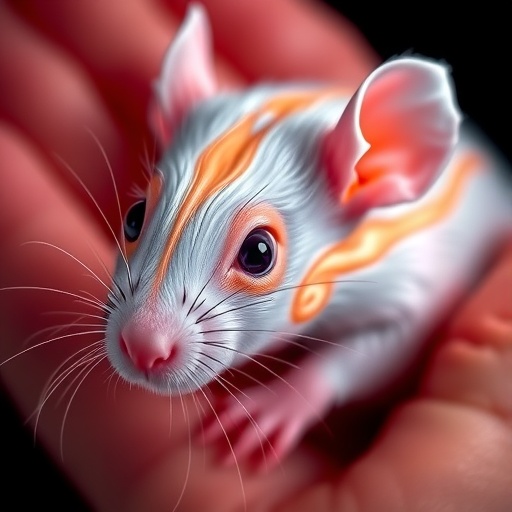
In a groundbreaking study published in Pediatric Research, researchers have unveiled a novel approach to combating necrotizing enterocolitis (NEC) in neonatal rats through cutaneous vagus nerve stimulation (VNS). This innovative technique offers a promising non-invasive intervention for a devastating inflammatory bowel disease predominantly affecting premature infants. The findings hold potential to revolutionize neonatal care, steering the medical community toward targeted neural modulation as a therapeutic strategy.
Necrotizing enterocolitis remains one of the most severe gastrointestinal emergencies in neonatology, characterized by rapid inflammation and bacterial invasion of the intestinal wall, often leading to intestinal necrosis and life-threatening complications. Despite advances in neonatal intensive care, NEC incidence and mortality rates have remained troublingly high. There is an urgent need for therapeutic approaches that can mitigate the aggressive inflammatory cascade that underlies NEC pathogenesis without compromising the delicate physiology of premature infants.
The vagus nerve, a critical component of the parasympathetic nervous system, orchestrates anti-inflammatory signaling throughout the body. Traditionally, vagus nerve stimulation has been employed invasively to treat epilepsy and depression. However, recent studies underscore its broader immunomodulatory functions, particularly by dampening cytokine production during systemic inflammation. Harnessing this pathway through non-invasive means opens new frontiers in managing inflammatory diseases, including NEC.
Baker, M.E., Mladenov, G.D., Radulescu, A., and colleagues executed a series of rigorously controlled experiments whereby neonatal rats subjected to NEC-inducing conditions received cutaneous vagus nerve stimulation. Utilizing precise neuromodulation technology, the researchers delivered targeted electrical impulses to the cutaneous branches overlaying the vagus nerve. This approach allowed modulation of vagal activity without the inherent risks of surgical implantation or systemic pharmacologic interventions.
Their findings reveal that neonates exposed to cutaneous VNS experienced marked reductions in NEC severity compared to untreated counterparts. Histopathological examinations showed substantial preservation of intestinal architecture, diminished mucosal injury, and reduced inflammatory infiltrate. Molecular analyses corroborated these observations by demonstrating decreased pro-inflammatory cytokine expression and enhanced anti-inflammatory signaling within the gut mucosa, emphasizing the mechanistic role of vagus-mediated immune modulation.
One particularly striking aspect of this study lies in the timing and frequency of stimulation. Early intervention during the initial phases of NEC induction yielded the most pronounced protective effects, suggesting a crucial therapeutic window where vagal stimulation can preempt the inflammatory cascade. Moreover, the use of cutaneous stimulation proved feasible and reproducible, highlighting its translational potential for clinical deployment.
The implications of these results extend far beyond the laboratory. In human neonates, invasive VNS application poses considerable ethical and technical challenges. The demonstration that cutaneous stimulation can simulate similar neuroimmune effects transforms the landscape, presenting a scalpel-free, potentially safer alternative that could be deployed in neonatal intensive care units globally. This technological advancement might reduce reliance on antibiotics and surgery, which carry significant morbidity in this vulnerable population.
From a neurophysiological perspective, this study reinforces the integral connection between the nervous and immune systems. The vagus nerve’s anti-inflammatory reflex represents an elegant biological feedback mechanism, whereby sensory inputs modulate effector immune functions. Cutaneous stimulation, by activating low-threshold afferent fibers, initiates this reflex arc and modulates vagal efferent outputs that inhibit macrophage activation and cytokine release, thereby preserving intestinal integrity.
Furthermore, the research team delved into the electrophysiological underpinnings of cutaneous VNS, demonstrating that specific stimulation parameters are critical for optimizing therapeutic outcomes. They identified a narrow range of pulse widths and frequencies that maximized anti-inflammatory signaling without eliciting unwanted off-target effects. This fine-tuning underscores the necessity of personalized neuromodulation protocols tailored to the neonatal context.
The findings also prompt important questions about the long-term outcomes and potential side effects of cutaneous VNS in neonatal subjects. While short-term benefits are compelling, ongoing research is essential to evaluate neurodevelopmental impacts, intestinal microbiota alterations, and potential habituation phenomena. The investigators advocate for longitudinal studies that monitor developmental milestones and immune competence to ensure comprehensive safety profiles.
In addition to NEC, the study opens avenues for exploring cutaneous VNS in other neonatal inflammatory conditions such as sepsis, bronchopulmonary dysplasia, and systemic inflammatory response syndrome (SIRS). The universal involvement of vagal pathways in modulating inflammation suggests broad applicability of this approach, which may synergize with existing therapies to improve morbidity and mortality outcomes in the neonatal population.
Clinicians and neonatal researchers alike have expressed considerable enthusiasm regarding this work. By bridging fundamental neuroimmunology and bedside medicine, this research embodies translational science at its finest. The potential to mitigate one of the highest causes of neonatal mortality through non-invasive neuromodulation signifies a monumental leap forward in pediatric care.
The technology employed for cutaneous VNS is evolving rapidly, with advances in miniaturization, battery efficiency, and wireless control enhancing its clinical feasibility. As device design progresses, integration of real-time physiological monitoring and closed-loop feedback systems may optimize treatment regimens, further personalizing patient care and maximizing efficacy.
While future clinical trials remain imperative, this study provides a compelling rationale for initiating pilot human studies exploring cutaneous VNS in premature infants at high risk for NEC. Ethical considerations and rigorous safety monitoring will be paramount, alongside multi-disciplinary collaboration among neonatologists, neurologists, bioengineers, and immunologists.
In summary, the protective effect of cutaneous vagus nerve stimulation against necrotizing enterocolitis in neonatal rats marks a transformative advance in understanding and managing this devastating disease. By leveraging the neuroimmune interface through non-invasive means, this approach may herald a new era of therapeutic intervention that transcends conventional pharmacology and surgery. As research unfolds, the promise of safer, more effective treatments for the most vulnerable patients draws ever closer.
Cite Scienmag News
Harold Sullivan. (June 5, 2026). Vagus Nerve Stimulation Shields Neonatal Rats from NEC. Scienmag. https://scienmag.com/vagus-nerve-stimulation-shields-neonatal-rats-from-nec/
Harold Sullivan. "Vagus Nerve Stimulation Shields Neonatal Rats from NEC." Scienmag, 5 June 2026, https://scienmag.com/vagus-nerve-stimulation-shields-neonatal-rats-from-nec/. Accessed 4 September 2026.
Harold Sullivan. "Vagus Nerve Stimulation Shields Neonatal Rats from NEC." Scienmag. June 5, 2026. https://scienmag.com/vagus-nerve-stimulation-shields-neonatal-rats-from-nec/


