


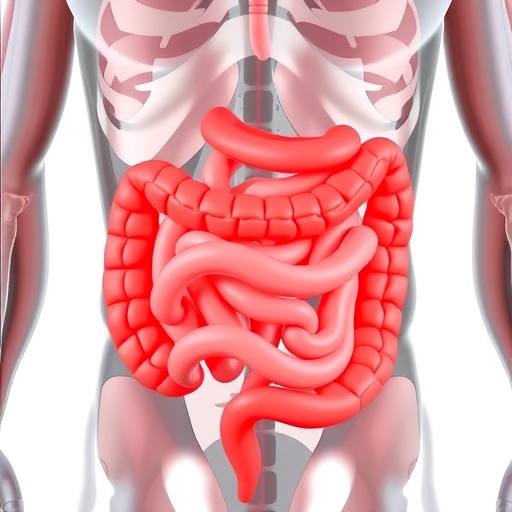
In the rapidly evolving field of pediatric nutrition and gastrointestinal health, a groundbreaking study by S.J. McElroy, slated for publication in Pediatric Research in 2026, offers fresh insights into the therapeutic potential of extensive protein hydrolysates (EPHs) in supporting immature intestinal barrier function. This work not only confronts longstanding challenges in neonatal care but also presents a compelling argument for rethinking dietary interventions aimed at fortifying the delicate and developing gut mucosa in vulnerable infants.
The human intestinal barrier serves as a critical line of defense, regulating nutrient absorption while preventing the translocation of harmful pathogens and antigens. In neonates, especially preterm infants, this barrier remains underdeveloped, predisposing them to a host of gastrointestinal maladies such as necrotizing enterocolitis (NEC) and systemic infections. McElroy’s study delves into the mechanisms by which extensive protein hydrolysates might address these vulnerabilities, highlighting the molecular and cellular pathways that remain elusive in current therapeutic landscapes.
Extensive protein hydrolysates are produced by enzymatically breaking down intact proteins into smaller peptides and free amino acids, effectively reducing antigenicity while promoting easy digestibility. This property is particularly advantageous for immature gastrointestinal systems characterized by reduced enzymatic capacity and compromised barrier integrity. The study meticulously outlines the biochemical interactions occurring within the intestinal milieu when exposed to these hydrolysates, elucidating how peptide fragments might modulate tight junction proteins, enhance mucosal immunity, and stimulate epithelial regeneration.
One pivotal aspect of McElroy’s research is the examination of tight junction dynamics in response to protein hydrolysate exposure. Tight junctions are essential structures maintaining epithelial permeability. In immature intestines, these junctions are often loosely regulated, permitting unwarranted permeability and inflammatory responses. The study reveals that certain peptides derived from extensive hydrolysates promote the upregulation of claudins and occludins—key tight junction proteins—thereby restoring barrier function and mitigating inflammation.
Additionally, the immunomodulatory effects spotlighted in the paper emphasize how these hydrolysates interact with immune cells residing in the gut-associated lymphoid tissue (GALT). The hydrolyzed peptides appear to induce the production of anti-inflammatory cytokines such as interleukin-10 while suppressing pro-inflammatory mediators. This dual action potentially recalibrates the immune milieu towards tolerance, a critical factor in reducing the incidence of inflammatory bowel conditions in neonates.
McElroy also assesses the influence of extensive protein hydrolysates on the gut microbiome, which is intricately linked to barrier function and overall intestinal health. By fostering an environment conducive to beneficial microbial populations, these hydrolysates indirectly support epithelial maintenance and immune development. The study’s findings suggest a positive feedback loop where enhanced microbiome composition further strengthens mucosal defenses, highlighting the holistic impact of dietary protein modifications.
Methodologically, the research utilizes advanced in vitro epithelial cell models alongside in vivo neonatal animal studies to parse the multifaceted effects of EPH administration. These complementary approaches reveal not only molecular changes within epithelial cells but also systemic physiological benefits, such as improved nutrient absorption and decreased markers of intestinal permeability. This robust analytical framework ensures the translational relevance of findings to human infant care.
The clinical implications of McElroy’s work are profound, especially in neonatal intensive care units where feeding intolerance and gut immaturity pose constant challenges. The study advocates for the inclusion of extensive protein hydrolysates in specialized feeding formulas, positioning them as a cornerstone in the nutritional management of at-risk neonates. Moreover, these findings could catalyze a shift in dietary recommendations, underlining the significance of tailored protein sources over whole intact proteins, which may exacerbate immune activation.
Importantly, the research discusses potential barriers to implementation, including cost considerations, palatability, and the standardization of hydrolysate production to ensure consistency and safety. It calls for further clinical trials to validate efficacy, optimal dosing regimens, and long-term outcomes. However, the emerging evidence lays a strong foundation for harnessing biochemical ingenuity in nutrition to promote gut health from the earliest stages of life.
Beyond the realm of neonatal health, McElroy’s insights resonate with broader gastrointestinal research, shedding light on epithelial barrier repair mechanisms relevant to various age groups and pathologies, such as inflammatory bowel disease and food allergies. The demonstration that hydrolyzed protein fragments can influence barrier dynamics and immunity opens new avenues for therapeutic development across multiple disciplines.
The interplay between immature intestinal barrier function and dietary protein composition is a complex tapestry woven from molecular biology, immunology, and microbiology, and this study exemplifies how integrated research approaches can unravel intricate physiological puzzles. McElroy’s thorough exploration of extensive protein hydrolysates is a testament to the power of precision nutrition in modulating fundamental physiological defenses in vulnerable populations.
Taken together, the work elevates the scientific discourse surrounding infant nutrition by marrying biochemical decomposition processes with clinical outcomes. It challenges prevailing paradigms that largely favored intact proteins or amino acid-based formulas alone, instead demonstrating that selective hydrolysis can yield functional benefits that go beyond mere nutrition to actively support tissue integrity and immune homeostasis.
This pioneering investigation stands to influence future research trajectories, potentially inspiring new generations of protein-based therapeutic formulations designed not just for sustenance, but for actively shaping and safeguarding intestinal health. As neonatal care continues to advance, integrating such nuanced nutritional strategies promises to enhance survival rates and quality of life for infants facing the precarious early stages of intestinal development.
Ultimately, McElroy’s contribution underscores a crucial lesson in contemporary biomedical science: that treating the immature intestine requires more than just nourishment—it demands a deliberate biochemical dialogue between what is fed and how the body responds at the molecular level. Through meticulous research and visionary application, this study brings us closer to achieving that delicate balance.
For practitioners, researchers, and caregivers alike, embracing the concept of extensive protein hydrolysate supplementation marks an exciting frontier. It is an eloquent reminder that the solutions to complex biological challenges often reside within the very building blocks of life—proteins—that, when thoughtfully manipulated, can become potent agents of healing and protection.
In conclusion, the future of neonatal intestinal health may well be shaped by extensive protein hydrolysates. S.J. McElroy’s 2026 study is poised to be a milestone, opening up transformative perspectives that blend innovative nutritional science with critical clinical needs, ultimately empowering the most vulnerable among us with stronger, healthier beginnings.
Cite Scienmag News
Harold Sullivan. (May 30, 2026). Protein Hydrolysate Boosts Immature Intestinal Barriers. Scienmag. https://scienmag.com/protein-hydrolysate-boosts-immature-intestinal-barriers/
Harold Sullivan. "Protein Hydrolysate Boosts Immature Intestinal Barriers." Scienmag, 30 May 2026, https://scienmag.com/protein-hydrolysate-boosts-immature-intestinal-barriers/. Accessed 4 September 2026.
Harold Sullivan. "Protein Hydrolysate Boosts Immature Intestinal Barriers." Scienmag. May 30, 2026. https://scienmag.com/protein-hydrolysate-boosts-immature-intestinal-barriers/


