


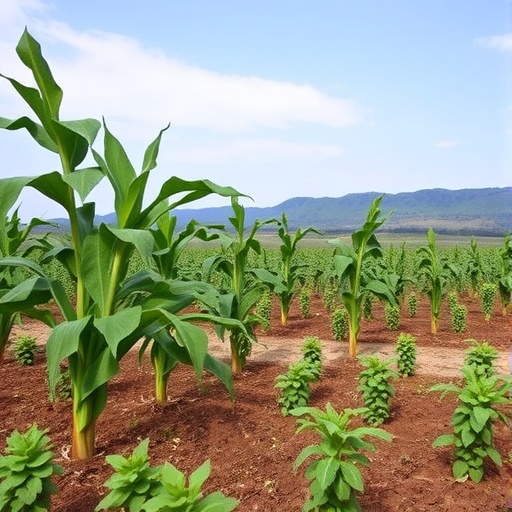
In the realm of global food security and nutritional science, cassava (Manihot esculenta Cranz) has long stood as a crucial staple for millions, especially in sub-Saharan Africa. A newly published study from Southwestern Ethiopia now casts fresh light on the nutritional variability found across different cassava genotypes, revealing implications that could revolutionize agricultural practices, human nutrition, and efforts towards combating malnutrition in vulnerable regions. This in-depth investigation, recently outlined in Scientific Reports, delves into the biochemical landscapes of cassava varieties cultivated in one of Africa’s most agriculturally pivotal zones, uncovering genetic diversity with significant nutritional outcomes.
Cassava, often revered for its resilience in poor soils and erratic climates, serves as a primary source of calories for hundreds of millions worldwide. Yet, despite its widespread consumption, the crop exhibits marked heterogeneity in nutrient profiles, a factor that has been understudied until now. By focusing on multiple genotypes from Southwestern Ethiopia, this research elucidates the extent of nutritional variability, ranging from macronutrients like carbohydrates to essential micronutrients including vitamins and minerals. Such variability not only affects dietary quality but also shapes the crop’s role in regional health paradigms.
Crucially, the study characterized complex biochemical traits across diverse cassava accessions, utilizing advanced spectrometric and chromatographic methodologies. These techniques allowed the precise quantification of nutrient concentrations and the profiling of antinutritional compounds such as cyanogenic glucosides, which have historically complicated cassava consumption due to toxicity risks. The findings highlight that variations in genotype can influence not only nutrient density but also levels of these harmful metabolites, underscoring genotype selection’s paramount importance for both safety and nutritional adequacy.
Moreover, by mapping the nutritional landscape within these genotypes, the researchers illuminated the potential for biofortification and targeted breeding programs. The cassava genotypes with elevated levels of protein, essential amino acids, and micronutrients like iron and vitamin A precursors present promising candidates for breeding initiatives aimed at alleviating micronutrient deficiencies. This could be transformative for regions like Ethiopia, where malnutrition and micronutrient deficiency disorders continue to exert heavy burdens on public health.
The study also addresses the interplay between environmental factors and genetic makeup in shaping nutritional outcomes. Southwestern Ethiopia’s diverse agroecological zones provide a perfect natural laboratory for disentangling genotype by environment (G×E) interactions. Results showed that while genotype significantly dictates nutritional traits, environmental stresses and soil characteristics modulate nutrient expression. This interplay necessitates adopting location-specific cultivation strategies to optimize nutritional benefits, rather than broad-stroke agricultural recommendations.
Further technical exploration of starch composition among cassava genotypes revealed differences in amylose and amylopectin ratios, biochemical characteristics that directly impact digestibility and glycemic index. These findings have far-reaching implications for diabetic dietary management in cassava-consuming populations, suggesting certain genotypes may be more suitable for inclusion in health-sensitive diets. Moreover, starch profile variations offer industrial applications in biofuel production and biodegradable materials, enhancing cassava’s economic relevance beyond nutrition.
Another cornerstone of the research lies in its evaluation of cyanide content across genotypes. Cassava’s cyanogenic glucosides, if not properly processed, pose acute toxicity risks and chronic health issues like konzo—a neurological disease endemic to certain African communities. The identification of genotypes harboring naturally low cyanide levels paves the way for safer consumption and could substantially reduce the burden of processing constraints traditionally imposed on cassava utilization, thus fostering wider acceptance and use.
In addition to nutrient and toxin analyses, the investigation probed antioxidant capacities inherent in cassava leaves and roots. Differential concentrations of phenolic compounds and flavonoids were cataloged, offering insights into potential health benefits related to oxidative stress mitigation. Given that oxidative stress underpins various chronic diseases, genotypes with elevated antioxidant activity could contribute to improved diet quality and enhanced resistance against non-communicable diseases among at-risk populations.
The team’s multidisciplinary approach seamlessly integrated genetic, biochemical, and environmental datasets to construct a comprehensive genotype nutrition profile. This holistic model not only advances scientific understanding of cassava’s nutritional diversity but also serves as a strategic blueprint for policymakers and agronomists. Tailoring interventions based on genotype-specific nutritional data promises to bolster food system resilience, nutritional security, and sustainable agricultural intensification in regions with similar agroecological contexts.
Lastly, the implications of this research transcend the borders of Ethiopia, resonating globally wherever cassava is a dietary cornerstone. With the United Nations Sustainable Development Goals emphasizing zero hunger and good health, this work contributes actionable insights towards optimizing an already critical food source to better meet human nutritional demands. The call now is for collaborative efforts spanning geneticists, nutritionists, farmers, and extension services to harness this knowledge for maximal societal impact.
This pioneering study not only redefines cassava’s nutritional landscape but also rekindles hope for leveraging native crop genetic diversity to address pressing health and food security challenges. As breeding programs incorporate these findings, the prospect of producing cassava varieties tailored to regional nutritional needs becomes increasingly feasible. Through such transformative science, we edge closer to a future where cassava transcends its role as a mere caloric staple and emerges as a robust vector for comprehensive nutritional upliftment.
Cite Scienmag News
Daisy Hatcher. (May 29, 2026). Nutritional Diversity in Southwestern Ethiopia Cassava Genotypes. Scienmag. https://scienmag.com/nutritional-diversity-in-southwestern-ethiopia-cassava-genotypes/
Daisy Hatcher. "Nutritional Diversity in Southwestern Ethiopia Cassava Genotypes." Scienmag, 29 May 2026, https://scienmag.com/nutritional-diversity-in-southwestern-ethiopia-cassava-genotypes/. Accessed 3 September 2026.
Daisy Hatcher. "Nutritional Diversity in Southwestern Ethiopia Cassava Genotypes." Scienmag. May 29, 2026. https://scienmag.com/nutritional-diversity-in-southwestern-ethiopia-cassava-genotypes/


