


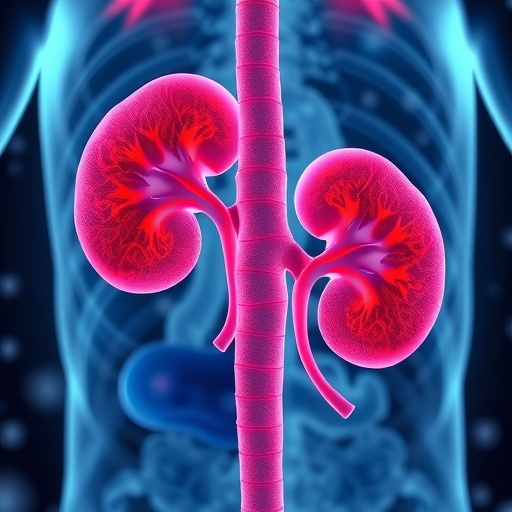
In the evolving landscape of nephrology, membranous nephropathy (MN) remains a daunting clinical challenge, largely due to its complex pathophysiology and the varying therapeutic responses observed among patients. The advent of biologic therapies has revolutionized treatment paradigms, with rituximab—a monoclonal antibody targeting CD20-positive B cells—emerging as a promising contender in this arena. Recently, a retrospective study scrutinizing the efficacy and safety of a rituximab biosimilar has garnered considerable attention, illuminating new possibilities for managing MN while addressing cost and accessibility concerns associated with original biologics.
Membranous nephropathy is an autoimmune disorder characterized by the thickening of the glomerular basement membrane due to immune complex deposition, leading to proteinuria and progressive renal dysfunction. Traditional immunosuppressive therapies often fall short, either because of limited efficacy or intolerable side effects. Rituximab’s innovation lies in its targeted depletion of B lymphocytes, the immune cells responsible for antibody production, thereby curtailing the autoimmune cascade responsible for glomerular injury. However, the high cost of rituximab restricts its widespread use, spurring interest in biosimilars as economically viable alternatives.
The recent study meticulously analyzed clinical data from patients treated with a rituximab biosimilar, offering a comprehensive evaluation of therapeutic outcomes. This investigation not only quantified proteinuria remission rates but also monitored renal function parameters and adverse event incidence over a sustained follow-up period. Such longitudinal data are crucial, given MN’s chronic nature and the necessity for durable remission to prevent end-stage renal disease. The biosimilar’s efficacy appeared comparable to the innovator rituximab, heralding a new chapter in cost-effective nephroimmunology.
Of paramount importance in biologic therapy trials is the safety profile, as immune modulation inherently risks opportunistic infections and adverse reactions. This study documented a favorable safety spectrum, with side effects largely confined to mild infusion reactions and transient hematologic fluctuations. Importantly, no unexpected toxicities emerged, underscoring the biosimilar’s immunological fidelity to the original molecule. These safety findings alleviate concerns that biosimilars might introduce unpredictable immunogenicity differences, a frequent hurdle in biologic drug development.
The implications of incorporating rituximab biosimilars extend beyond individual patient benefit, with systemic healthcare economics standing to gain significantly. Biosimilars typically enter markets at lower price points due to abbreviated development pathways and reduced patent constraints. For health systems burdened by chronic kidney disease management costs, this represents a strategic avenue for allocating resources more efficiently. Moreover, expanding access to effective treatment aligns with global directives on improving equitable healthcare delivery, particularly in regions where rituximab’s original formulation remains financially prohibitive.
In mechanistic terms, rituximab’s action in MN involves selective B-cell depletion via antibody-dependent cellular cytotoxicity and complement-mediated cytolysis. This targeted intervention halts the formation of pathogenic autoantibodies against podocyte antigens, thereby interrupting the immunologic injury cycle. The biosimilar’s molecular characterization mirrored these mechanisms, a finding verified through structural and functional assays. These confirmatory data are vital, ensuring that the biosimilar maintains its therapeutic intent without compromising clinical efficacy.
The study also highlighted variations in patient response, an area warranting deeper exploration. Factors such as baseline disease severity, concurrent immunosuppressants, and genetic susceptibility may modulate treatment outcomes. Understanding these variables could facilitate personalized medicine approaches, optimizing therapy timing and intensity. In this context, biosimilars may offer flexible dosing strategies given their potentially improved cost profiles, promoting tailored regimens that maximize remission probabilities while minimizing adverse effects.
Furthermore, the research illuminated the long-term renal outcomes, documenting that sustained proteinuria remission correlated strongly with preserved glomerular filtration rates and delayed progression to dialysis. This aligns with emerging data positioning rituximab as a disease-modifying agent rather than merely symptom-controlling. The biosimilar’s parity in this regard suggests that patients can anticipate not only short-term relief but also lasting kidney protection, a cornerstone objective in chronic nephropathies.
Pharmacovigilance remains a critical component of introducing biosimilars, particularly in autoimmune diseases where immune system perturbations are intricate and nuanced. The dataset included detailed monitoring protocols, reinforcing the importance of rigorous safety surveillance post-marketing. This study’s robust methodology in capturing adverse events sets a precedent for future biosimilar evaluations and underscores the necessity of ongoing vigilance to detect rare or delayed complications.
Comparatively, the biosimilar’s accessibility challenges and distribution logistics were briefly touched upon, emphasizing the practical hurdles in global healthcare implementation. Policymakers and healthcare payers must collaboratively address regulatory frameworks, manufacturing consistency, and clinician education to ensure that biosimilars fulfill their promise at scale. This necessitates fostering trust among prescribers and patients alike, who may harbor reservations regarding efficacy equivalence and safety assurance.
From an immunopathological standpoint, the data reaffirm the central role of B-cells in MN pathogenesis, bolstering the rationale for B-cell depleting strategies. Emerging biomarkers indicative of B-cell activity and immune complex burden could further refine patient selection and monitoring in future clinical pathways. Such advances would synergize with biosimilar usage, optimizing therapeutics through precision nephrology.
Scientific discourse around biosimilars also touches upon intellectual property and ethical considerations. The development and adoption of biosimilars challenge originator companies’ market dominance, potentially accelerating innovation via competition. This dynamic can stimulate novel drug development while simultaneously addressing disparities in treatment access—a balancing act critical to sustainable healthcare innovation ecosystems.
In conclusion, this retrospective analysis substantiates the rituximab biosimilar as an effective and safe alternative in managing membranous nephropathy, with far-reaching clinical and economic benefits. As biologic therapies continue to reshape nephrology, real-world evidence such as this study provides essential validation and reassurance. The future horizon suggests broader biosimilar integration, enhanced by advancements in immunological understanding and healthcare policy adaptations aimed at maximizing patient outcomes worldwide.
The journey from discovery to widespread clinical adoption of rituximab biosimilars epitomizes the intersection of scientific innovation, economic pragmatism, and patient-centered care. Continued research, vigilant monitoring, and stakeholder engagement will be paramount in unlocking the full potential of biosimilars in nephrology and beyond. This paradigm shift heralds a more inclusive therapeutic era, offering hope to patients afflicted by challenging autoimmune kidney diseases such as membranous nephropathy.
Cite Scienmag News
Jerry Hayes. (May 29, 2026). Retrospective Study: Rituximab Biosimilar Treats Membranous Nephropathy. Scienmag. https://scienmag.com/retrospective-study-rituximab-biosimilar-treats-membranous-nephropathy/
Jerry Hayes. "Retrospective Study: Rituximab Biosimilar Treats Membranous Nephropathy." Scienmag, 29 May 2026, https://scienmag.com/retrospective-study-rituximab-biosimilar-treats-membranous-nephropathy/. Accessed 3 September 2026.
Jerry Hayes. "Retrospective Study: Rituximab Biosimilar Treats Membranous Nephropathy." Scienmag. May 29, 2026. https://scienmag.com/retrospective-study-rituximab-biosimilar-treats-membranous-nephropathy/


