


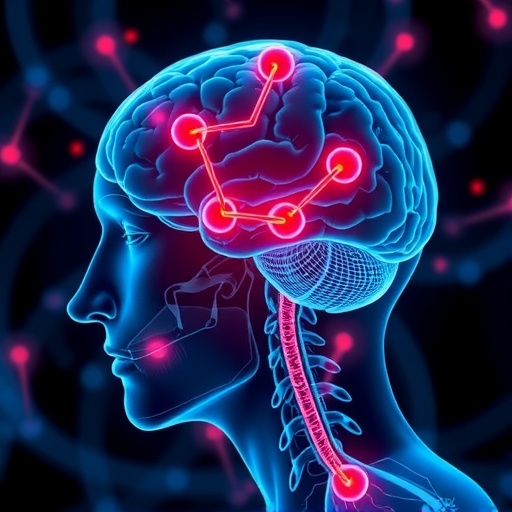
In a groundbreaking study that shines new light on the neurochemical underpinnings of depression in Parkinson’s disease, researchers have identified a significant association between depressive symptoms and reduced dopamine transporter binding within the ventral striatum. This discovery, published in the prestigious journal npj Parkinsons Disease, elucidates a critical pathway that may explain the frequent and debilitating comorbidity of depression observed in Parkinson’s patients, offering promising avenues for targeted therapeutic interventions.
Parkinson’s disease (PD) has long been understood primarily as a movement disorder characterized by tremors, rigidity, and bradykinesia. However, the non-motor symptoms, particularly depression, represent a profound clinical challenge, often overshadowing motor impairments in terms of impact on quality of life. The mechanisms underlying depression in PD have remained elusive, obscured by the multifaceted neurodegenerative processes intrinsic to the disease. The latest research spearheaded by Dirkx et al. provides compelling evidence implicating the ventral striatum—a limbic brain region heavily involved in reward processing and motivation—in the pathophysiology of depressive states in PD.
At the heart of this investigation is the dopaminergic system, a neurotransmitter network critical for mood regulation, reward anticipation, and cognitive function. Dopamine transporter (DAT) proteins are responsible for the reuptake of dopamine from the synaptic cleft back into presynaptic neurons, thereby regulating dopaminergic signaling intensity and duration. A reduction in DAT binding, especially in the ventral striatum, implies dysregulated dopamine availability, which could directly contribute to the affective symptoms observed in Parkinson’s patients.
Using high-resolution molecular imaging techniques, such as single photon emission computed tomography (SPECT) with specific radioligands targeting DAT, the researchers quantitatively assessed the extent of dopamine transporter binding in well-characterized cohorts of PD patients exhibiting varying degrees of depressive symptoms. This methodological approach allowed for precise localization and measurement of dopaminergic deficits correlating with clinical depression scales.
Crucially, the study controlled for confounding variables, including disease duration, severity of motor symptoms, and pharmacologic treatments, thereby isolating dopamine transporter binding abnormalities as an independent factor associated with depressive manifestations. Statistical analyses revealed a robust negative correlation between ventral striatal DAT binding capacity and the severity of depression, underscoring the ventral striatum’s pivotal role in mood regulation within the PD population.
Beyond the clinical assessments, the researchers integrated neurobiological frameworks to interpret their findings within the broader context of basal ganglia circuitry dysfunction. The ventral striatum, encompassing the nucleus accumbens, integrates dopaminergic inputs to enable reward-based learning and hedonic tone. A depletion of dopamine transporter density here likely disrupts these pathways, fostering an environment conducive to anhedonia, motivational deficits, and the subjective experience of depression.
This mechanistic insight challenges the traditional conceptualization of PD-related depression as merely reactive or secondary to the psychosocial burden of the disease. Instead, it supports the notion of an intrinsic neurochemical substrate driving mood disturbances, thereby warranting a reassessment of treatment paradigms that predominantly focus on serotonergic antidepressants without addressing dopaminergic deficits.
Moreover, these findings could revolutionize clinical approaches by spotlighting dopamine transporter imaging as a biomarker for depression risk stratification in Parkinson’s patients. Early identification of individuals with diminished ventral striatal DAT binding might facilitate preemptive therapeutic strategies, potentially incorporating dopaminergic agents or neuromodulation techniques tailored to restore ventral striatal function.
The implications also extend to drug development pipelines, encouraging pharmaceutical research targeting dopamine transporter regulation or compensatory mechanisms within the mesolimbic pathway. Considering the intricate balance of dopamine homeostasis, future pharmacotherapies must achieve nuanced modulation to alleviate depressive symptoms without exacerbating motor dysfunction or triggering dyskinesias.
It is imperative to consider the heterogeneity of PD pathology and symptomatology. The study’s approach acknowledges that depression in PD is not monolithic but arises from diverse neurobiological alterations. Consequently, personalized medicine frameworks incorporating DAT binding measurements may optimize antidepressant selection and dosing, enhancing efficacy, and minimizing adverse effects.
Additionally, this research underscores the necessity to broaden our neuroimaging arsenal to encompass not only dopaminergic but also serotonergic and noradrenergic systems, given their interdependent roles in mood regulation. Integrated multimodal imaging studies could provide a holistic view of neurochemical interplay contributing to PD-associated depression.
The elegant combination of clinical neuropsychiatry, advanced imaging techniques, and molecular neuroscience embodied in this study represents a milestone in neurodegenerative disease research. It eloquently demonstrates how dissecting the neurochemical substrates of complex neuropsychiatric symptoms can propel the field toward more effective, mechanism-based therapeutic strategies.
From a broader perspective, understanding the specific dopaminergic deficits linked to depression in Parkinson’s could yield insights applicable to other neuropsychiatric disorders characterized by dopaminergic dysregulation, such as major depressive disorder, schizophrenia, and substance use disorders. This cross-pollination of knowledge underscores the fundamental role of dopamine transporter dynamics in brain function and psychiatric health.
Future research directions prompted by these findings may include longitudinal studies to track DAT binding changes over disease progression, interventional trials employing dopaminergic agents for depressive symptoms, and exploration of genetic or environmental factors modulating ventral striatal dopaminergic integrity.
In summary, Dirkx and colleagues have significantly advanced our understanding of the neurochemical correlates of depression in Parkinson’s disease by providing convincing evidence of reduced dopamine transporter binding in the ventral striatum. This discovery not only clarifies the pathophysiological basis of a major non-motor symptom but also opens new frontiers for diagnosis, treatment, and potentially prevention of depression in PD patients, thereby improving their overall prognosis and quality of life.
The intersection of cutting-edge neuroimaging, rigorous clinical evaluation, and sophisticated molecular analysis in this study exemplifies the transformative potential of contemporary neuroscience to unravel the complexities of brain disorders. As the Parkinson’s research community embraces these insights, patients stand to benefit from more precise, effective, and compassionate care tailored to the intricate neurobiology underpinning their mental health challenges.
As this paradigm shift unfolds, the emphasis on dopaminergic function within the ventral striatum offers a beacon of hope—a tangible target to disrupt the cascade of neuropsychiatric disability that often shadows the progression of Parkinson’s disease. This study not only enriches the scientific narrative but also galvanizes efforts to translate bench research into bedside solutions that restore both motor and emotional well-being.
Cite Scienmag News
Diana Fleming. (May 26, 2026). Depression Links to Lower Dopamine in Parkinson’s. Scienmag. https://scienmag.com/depression-links-to-lower-dopamine-in-parkinsons/
Diana Fleming. "Depression Links to Lower Dopamine in Parkinson’s." Scienmag, 26 May 2026, https://scienmag.com/depression-links-to-lower-dopamine-in-parkinsons/. Accessed 3 September 2026.
Diana Fleming. "Depression Links to Lower Dopamine in Parkinson’s." Scienmag. May 26, 2026. https://scienmag.com/depression-links-to-lower-dopamine-in-parkinsons/


