


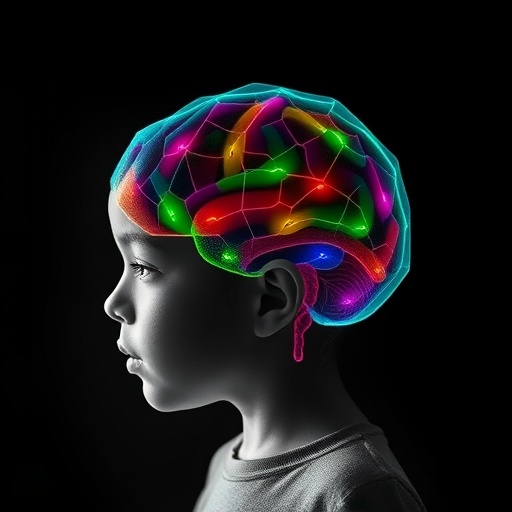
In a groundbreaking study published in Pediatric Research, scientists have unveiled critical insights into the emotional and behavioral challenges faced by children and adolescents diagnosed with neurofibromatosis type 1 (NF1). This genetic disorder, known primarily for its physical symptoms such as tumor formation along nerves and skin changes, is now being scrutinized under a neuropsychiatric lens, revealing complex interactions affecting mental health that have profound implications for diagnosis and treatment.
Neurofibromatosis type 1 is a neurogenetic condition caused by mutations in the NF1 gene, resulting in dysregulation of the neurofibromin protein, which plays a significant role in cell growth and signaling pathways in the nervous system. While the cardinal physical manifestations include café-au-lait spots, neurofibromas, and bone deformities, recent research has illuminated that the neurological component extends far beyond these visible signs. This new dimension includes cognitive impairments, learning disabilities, and, importantly, emotional and behavioral disturbances that can severely impact quality of life.
The study meticulously documents a cohort of children and adolescents, employing rigorous psychological assessments and neurobehavioral evaluations to map the spectrum of emotional and behavioral problems within this population. The research highlights that depression, anxiety, attention-deficit/hyperactivity disorder (ADHD), and social difficulties are not just ancillary complications but core facets of NF1’s neurological profile. The emotional turmoil in these patients often goes undiagnosed or misattributed, underscoring the necessity for comprehensive neuropsychiatric screening.
The pathophysiology behind these emotional and behavioral manifestations is complex, involving disrupted neural circuits, particularly in brain regions responsible for executive function, emotional regulation, and social cognition. The NF1 mutation compromises neurofibromin’s ability to modulate Ras signaling pathways, leading to abnormal neuronal growth and connectivity, which likely contributes to these neurobehavioral issues. Functional neuroimaging and electrophysiological studies within the cohort revealed atypical patterns of brain activity correlating with symptom severity.
Importantly, this research illuminates the heterogeneity of emotional and behavioral problems in NF1 patients. Some children exhibit predominantly externalizing behaviors, characterized by hyperactivity and impulsivity, while others display internalizing symptoms such as withdrawal and mood disorders. This variability suggests that tailored therapeutic interventions are needed rather than a one-size-fits-all approach, paving the way for personalized medicine protocols that consider individual neuropsychiatric profiles.
The implications for treatment are profound. Traditional management of NF1 has focused on monitoring physical tumor progression and surgical interventions. However, this study advocates for integrated care models that incorporate mental health evaluations into routine clinical practice. Early identification of emotional disturbances allows for timely psychological support, pharmacotherapy when necessary, and educational accommodations, thereby improving overall developmental trajectories and life outcomes for affected individuals.
The article further discusses novel therapeutic targets emerging from a better understanding of the molecular mechanisms underlying these neurobehavioral symptoms. Pharmacological agents aimed at modulating the Ras/MAPK pathway and enhancing neurofibromin functionality are under investigation and hold promise in mitigating both physical and mental health manifestations. These findings signal an era of hope for patients with NF1, where cognitive and emotional well-being is given equal priority alongside physical health.
Beyond the clinical implications, the study addresses the psychosocial dimensions of NF1. Emotional and behavioral problems significantly interfere with social integration, academic achievement, and self-esteem in children and adolescents, often leading to stigmatization and isolation. The research underscores the need for community and school-based interventions to foster supportive environments that accommodate the unique challenges faced by these young individuals.
Moreover, the longitudinal aspect of the study sheds light on the evolving nature of emotional and behavioral problems as children with NF1 transition into adolescence and adulthood. The persistence or emergence of psychiatric symptoms over time indicates a dynamic disease course that necessitates ongoing monitoring and adaptable therapeutic approaches. This understanding challenges prior assumptions that childhood difficulties may resolve with age, instead advocating lifelong mental health surveillance.
The methodology employed by the researchers combined quantitative data with qualitative insights, involving caregivers’ reports and self-assessment tools designed for pediatric populations. This comprehensive approach ensures that subtle emotional disturbances, often masked by cognitive deficits, are not overlooked, providing a holistic understanding of NF1’s impact. Such rigorous and multidimensional research paradigms are crucial for unraveling the complexities of neurogenetic disorders.
Complementing clinical data, this study incorporated advanced neuroimaging techniques such as functional MRI and diffusion tensor imaging to visualize white matter integrity and brain network connectivity. These objective biomarkers correlated strongly with behavioral assessments, providing compelling evidence for neurobiological underpinnings of psychiatric symptoms in NF1, and potentially serving as predictive tools for clinical prognosis and treatment responsiveness in the future.
The study’s revelations also prompt critical questions about genetic counseling and early intervention strategies for families affected by NF1. Understanding the full spectrum of challenges associated with this disorder allows healthcare providers to better educate families, plan multidisciplinary care, and minimize psychological distress through proactive support systems, thereby enhancing familial resilience and patient outcomes.
In closing, this landmark research contributes significantly to the evolving paradigm of NF1 as a multisystem disorder with profound neuropsychiatric components. It calls for a shift in clinical practice toward comprehensive care models that integrate neurological, psychological, and social dimensions, ensuring that children and adolescents with neurofibromatosis type 1 receive the holistic care necessary to thrive despite their challenges.
As research progresses, the integration of molecular biology, neuroimaging, and clinical neuroscience will continue to unravel the intricate tapestry of NF1, bringing hope for more effective therapies and improved quality of life for those affected. This study exemplifies how cutting-edge science can bridge the gap between genetic pathology and lived experience, fostering a future where neurogenetic disorders are understood and managed in their full complexity.
Cite Scienmag News
Glenn Wilkins. (May 25, 2026). Emotional, Behavioral Challenges in Neurofibromatosis Type 1. Scienmag. https://scienmag.com/emotional-behavioral-challenges-in-neurofibromatosis-type-1/
Glenn Wilkins. "Emotional, Behavioral Challenges in Neurofibromatosis Type 1." Scienmag, 25 May 2026, https://scienmag.com/emotional-behavioral-challenges-in-neurofibromatosis-type-1/. Accessed 5 September 2026.
Glenn Wilkins. "Emotional, Behavioral Challenges in Neurofibromatosis Type 1." Scienmag. May 25, 2026. https://scienmag.com/emotional-behavioral-challenges-in-neurofibromatosis-type-1/


