


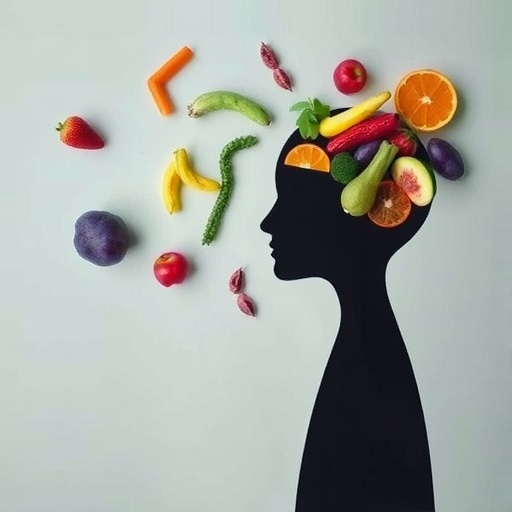
In a groundbreaking study poised to reshape our understanding of mental health, researchers have unveiled critical links between micronutrient levels and immune system functioning in individuals suffering from mood and psychotic disorders. The intricate dance between vitamins and minerals—specifically vitamin C, iron, zinc, and magnesium—and peripheral blood cell indices provides compelling insight into how subtle biochemical imbalances may exacerbate or even precipitate psychiatric symptoms. This cutting-edge investigation, recently published in Scientific Reports, invites a paradigm shift in approaching mental health disorders through the lens of nutrition and immunology.
For years, psychiatric illnesses such as depression, bipolar disorder, and schizophrenia have been primarily understood through neurotransmitter imbalances and genetic predispositions. However, this novel study challenges the conventional narrative by highlighting the importance of micronutrients, traditionally relegated to general health, as pivotal players in neuroimmune regulation. The researchers employed a robust case-control design to scrutinize the blood profiles of patients diagnosed with mood and psychotic disorders, contrasting these with healthy controls to delineate significant biochemical disparities.
At the core of the investigation lies vitamin C, a powerful antioxidant whose role in brain function has been underappreciated until now. The research found that individuals with mood and psychotic disorders often exhibit deficient vitamin C levels, which might impair the body’s ability to counteract oxidative stress—a known contributor to neuronal damage and inflammation. This antioxidant insufficiency correlates with altered peripheral blood cell counts, suggesting a compromised immune response that could perpetuate neuroinflammation and worsen psychiatric symptoms.
Iron metabolism emerged as another crucial factor in the study. Iron is indispensable for oxygen transport and enzymatic activities in the brain, yet dysregulated iron levels are implicated in both iron deficiency anemia and iron overload disorders. Intriguingly, the study discerned patterns of disrupted iron homeostasis in patients, indicated by abnormal serum iron and ferritin concentrations alongside altered immune cell profiles. Such disturbances may affect neurotransmitter synthesis and mitochondrial function, thereby influencing mood regulation and cognitive processes.
Zinc, an essential trace element critical for numerous enzymatic reactions, also displayed marked fluctuations in the clinical group. Zinc’s immunomodulatory properties are well-documented, and its deficiency is increasingly recognized in neuropsychiatric conditions. The research demonstrated lower zinc levels correspond with inflammatory markers and shifts in blood cell indices, implying that zinc depletion might contribute to immune dysregulation underlying psychotic episodes and mood disturbances.
Magnesium, often underestimated, surfaced as a significant player in the complex interplay between micronutrients and mental health. Known for its role in synaptic transmission, neuroplasticity, and stress response, magnesium deficiency was prevalent among the patient cohort. The study connected these deficits to aberrations in peripheral blood immune cells, supporting the hypothesis that insufficient magnesium may exacerbate systemic inflammation and diminish neuronal resilience in psychiatric disorders.
Beyond individual micronutrients, the study emphasized the synergistic impact of these elements on the immune system and brain function. The immune system’s cross-talk with the central nervous system is increasingly acknowledged as vital to mental health, and this research underscores how nutritional deficiencies can disrupt this delicate balance. Changes in leukocyte populations and other peripheral blood indices reflect an immune milieu that may foster neuroinflammation—a pathological hallmark in mood and psychotic disorders.
Moreover, the researchers employed sophisticated analytical techniques to quantify these associations, including advanced blood biomarker profiling and statistical modeling to rule out confounding variables. Their findings suggest that monitoring micronutrient levels alongside immune cell parameters could serve as a valuable biomarker panel for diagnosing or prognosticating psychiatric conditions. This holistic approach represents a significant advancement over traditional purely symptomatic assessments.
This study’s timing is particularly relevant, given the burgeoning global mental health crisis accentuated by modern stressors and lifestyle factors that contribute to nutritional inadequacies. The potential for relatively straightforward interventions, such as targeted micronutrient supplementation, to mitigate psychiatric symptoms offers a tantalizing prospect for revolutionizing mental health care. Such strategies might complement existing pharmacological and psychotherapeutic modalities, particularly for treatment-resistant cases.
The authors caution, however, that while the data illuminate compelling associations, causality must be corroborated through longitudinal and intervention studies. They advocate for integrating nutritional assessments into psychiatric evaluations and exploring personalized supplementation regimens tailored to individual biochemical profiles. This precision medicine paradigm holds promise for enhancing therapeutic outcomes and minimizing side effects associated with psychotropic medications.
Interestingly, the study also probes the bidirectional relationship between immune function and micronutrient status. While deficient micronutrients can impair immune cell proliferation and activity, chronic inflammation inherent to psychiatric disorders may, in turn, deplete these nutrients, creating a vicious cycle. Understanding these feedback mechanisms is paramount for developing effective treatment protocols that address both nutritional and immunological abnormalities.
Furthermore, this research contributes to the growing body of evidence positioning oxidative stress and immune dysfunction as central contributors to psychiatric pathophysiology. It aligns with emerging views that mental illnesses are systemic disorders involving multiple organ systems rather than isolated brain diseases. Such insights encourage interdisciplinary collaboration among psychiatrists, immunologists, nutritionists, and neuroscientists.
Ultimately, this meticulous study conducted by Shahini, Fotovat, Bagheri, and colleagues elevates the discourse on mental health beyond simplistic neurochemical frameworks. By elucidating the micronutrient-immune interface in mood and psychotic disorders, it opens exciting avenues for innovative diagnostic markers and adjunctive therapies. Bridging the gap between nutrition science and psychiatry not only enriches our understanding of mental illness but also champions a more holistic, patient-centered approach.
As the field advances, future research will undoubtedly expand upon these findings to optimize micronutrient-based interventions and uncover the molecular underpinnings governing nutrient-immune-brain interactions. Such endeavors promise to enhance quality of life for millions grappling with psychiatric disorders and propel medical science toward a new era of integrative mental health care. This seminal work heralds a future where targeted nutritional strategies are seamlessly integrated into mental health diagnostics and therapeutics, transforming clinical practice.
In sum, the intricate relationships outlined in this study between vitamin C, iron, zinc, magnesium, immune cell indices, and psychiatric symptoms compel a fundamental reevaluation of how mood and psychotic disorders are conceptualized and treated. It is an invigorating testament to the power of multidisciplinary research and the untapped potential of nutritional immunopsychiatry. The hope is that these pioneering insights will translate swiftly into clinical interventions, ultimately alleviating the global burden of mental illness.
Cite Scienmag News
Glenn Wilkins. (May 18, 2026). Micronutrients Linked to Mood and Psychotic Disorders. Scienmag. https://scienmag.com/micronutrients-linked-to-mood-and-psychotic-disorders/
Glenn Wilkins. "Micronutrients Linked to Mood and Psychotic Disorders." Scienmag, 18 May 2026, https://scienmag.com/micronutrients-linked-to-mood-and-psychotic-disorders/. Accessed 5 September 2026.
Glenn Wilkins. "Micronutrients Linked to Mood and Psychotic Disorders." Scienmag. May 18, 2026. https://scienmag.com/micronutrients-linked-to-mood-and-psychotic-disorders/


