


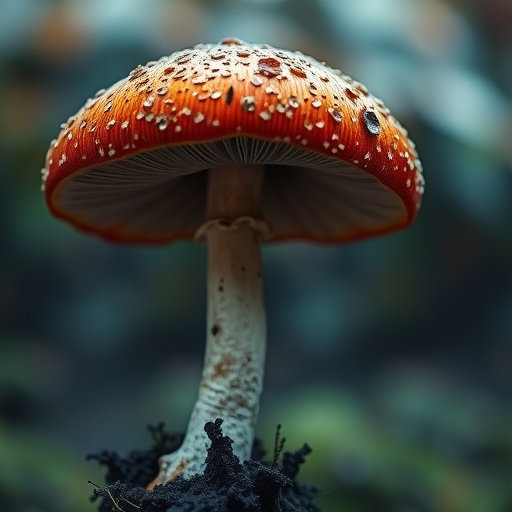
In a groundbreaking advancement within the realm of psychiatric medicine, a recent randomized clinical trial has demonstrated that a single administration of psilocybin—a psychoactive compound derived from certain species of mushrooms—elicits rapid and sustained antidepressant effects in patients diagnosed with major depressive disorder (MDD). The implications of this finding herald a potential paradigm shift in the pharmacological treatment of one of the most debilitating mental health conditions worldwide.
Major depressive disorder has long been a target for therapeutic interventions, yet conventional antidepressant medications often require weeks to months to manifest clinical efficacy, with a significant subset of patients exhibiting resistance to these treatments. The urgent need for novel therapeutics capable of delivering swift and durable symptom relief has propelled research into the neuropharmacological properties of psychedelics, with psilocybin emerging as a compelling candidate.
This recent study employed rigorous randomized clinical trial methodology, meticulously balancing patient characteristics across treatment arms to ensure robust validity. The primary outcome measured was the trajectory of depressive symptomatology following a single dose of psilocybin, with evaluation points extending to three months post-intervention. Remarkably, significant antidepressant effects were observable as early as 48 hours, highlighting the rapid onset characteristic that stands in contrast to traditional selective serotonin reuptake inhibitors and related drug classes.
The biological mechanisms underlying psilocybin’s therapeutic action are multifaceted, involving agonism of the 5-HT2A serotonin receptor subtype known to modulate neural circuits implicated in mood regulation and affective processing. This receptor engagement promotes neuroplasticity and reorganization of dysfunctional neural networks, which may underpin the rapid amelioration of depressive symptoms observed clinically. Moreover, psilocybin’s capacity to induce profound experiential and cognitive shifts during administration may facilitate psychological insights and recalibration of maladaptive thought patterns.
While most participants tolerated the psilocybin intervention well, a subset required additional psychological support in the immediate post-dosing period due to emergent anxiety symptoms. This finding underscores the necessity for careful patient selection, comprehensive preparatory counseling, and presence of trained facilitators during and following the administration to optimize safety and therapeutic outcomes.
The persistence of antidepressant effects beyond three months signals an enduring restructuring of neuropsychological functioning that contrasts sharply with the need for daily dosing typical of conventional antidepressants. However, these data simultaneously suggest that exploration into repeated dosing schedules or adjunctive therapies could potentiate and sustain clinical benefits over even longer horizons and across more heterogeneous patient populations.
This study’s findings pave the way for a new era of clinically validated psychedelic-assisted psychotherapy and pharmacotherapy, inviting a reexamination of regulatory frameworks and clinical guidelines to accommodate these emerging modalities. As the evidence base expands, integrating psilocybin into mainstream psychiatric practice will necessitate ongoing interdisciplinary collaboration among neuroscientists, psychiatrists, psychologists, and policymakers.
These results arrive amidst a resurging global interest in psychedelic compounds as legitimate therapeutic agents, supported by enhanced scientific rigor and destigmatization efforts. They provide a compelling narrative that not only challenges entrenched treatment paradigms but also enriches our conceptualization of psychiatric disorders as dynamic brain states amenable to innovative forms of intervention targeting both neurobiology and subjective experience.
Future research directions aim to elucidate the optimal dosing regimens, identify biomarkers predictive of treatment response, and ascertain long-term safety profiles. Additionally, comprehensive assessments of psilocybin’s integration with psychotherapy modalities and exploration of its efficacy across diverse psychiatric conditions remain paramount endeavors.
The convergence of neuropharmacology, cognitive neuroscience, and clinical psychiatry embodied in this study illustrates how transformative scientific inquiry can yield novel solutions to longstanding challenges in mental health treatment. As such, the antidepressant potential of psilocybin encapsulates an exciting frontier ripe for further exploration and clinical application.
For clinicians, researchers, and patients alike, these findings offer renewed hope for accelerated and enduring relief from the pervasive burden of depression. This study, while preliminary, marks an inflection point that invites both cautious optimism and robust scientific engagement to unlock the full therapeutic promise of psychedelic compounds.
In light of these achievements, the psychiatric community is called upon to advance methodological standards, ethical considerations, and training paradigms to responsibly harness psilocybin’s unique capabilities. Doing so promises not only to enhance patient outcomes but also to expand our fundamental understanding of consciousness, brain function, and the intricate substrates of mental health and illness.
Contact for further information and correspondence regarding this trial is directed to lead author Hampus Yngwe, MD, MSc, reachable via email at hampus.yngwe@ki.se.
Cite Scienmag News
Glenn Wilkins. (May 15, 2026). Short- and Long-Term Impact of Psilocybin on Major Depression Symptoms. Scienmag. https://scienmag.com/short-and-long-term-impact-of-psilocybin-on-major-depression-symptoms/
Glenn Wilkins. "Short- and Long-Term Impact of Psilocybin on Major Depression Symptoms." Scienmag, 15 May 2026, https://scienmag.com/short-and-long-term-impact-of-psilocybin-on-major-depression-symptoms/. Accessed 3 September 2026.
Glenn Wilkins. "Short- and Long-Term Impact of Psilocybin on Major Depression Symptoms." Scienmag. May 15, 2026. https://scienmag.com/short-and-long-term-impact-of-psilocybin-on-major-depression-symptoms/


