


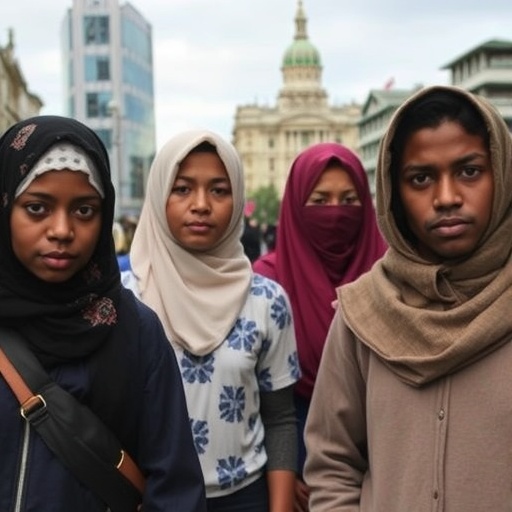
A new qualitative study from the University of East Anglia (UEA) delves deeply into the profound psychological and social challenges faced by Afghan refugees who arrived in the United Kingdom as unaccompanied minors. This investigation explores how exposure to intense trauma during childhood, including family separation, human rights violations, and war-related violence, shapes ongoing mental health struggles and resilience strategies as these individuals transition into adulthood. Through in-depth interviews, the research provides unprecedented insight into the lived experiences of this vulnerable group, emphasizing the intricate interplay between ongoing distress and coping mechanisms within a new cultural context.
The research, conducted by Dr. Rebecca Lane during her clinical psychology training at UEA’s Norwich Medical School, involved detailed interviews with twelve Afghan refugees who had fled their homeland as unaccompanied children. These participants were recruited through therapeutic community organizations that support young survivors of exile. Most interviews were mediated with interpreters, ensuring the authenticity of their narratives was preserved. The objective was to capture the nuances of their psychological resilience as expressed in their own words and to understand how these coping strategies evolved over time in the face of persistent adversities.
One of the study’s most poignant revelations concerns the enduring impact of intrusive, distressing memories that continuously haunt these individuals. Many described a cascade of overlapping difficulties, where the presence of physical pain exacerbated mental health challenges, resulting in cyclical patterns of suffering that are challenging to break. For example, chronic physical ailments frequently led to social withdrawal and inactivity, which in turn intensified feelings of isolation and anxiety, thereby impairing the capacity for effective coping. This entanglement of somatic and psychological symptoms creates a complex clinical picture requiring integrated therapeutic approaches.
The study further highlights the heterogeneity in coping strategies among former unaccompanied minors. While most participants coped by engaging in distracting activities to avoid becoming overwhelmed by traumatic memories, a small subset resorted to harmful behaviors such as alcohol use and self-injury. These hazardous strategies are indicative not only of acute psychological distress but also of a lack of accessible and culturally appropriate support systems. Such findings underscore the urgent need for tailored interventions that address both mental health and social integration.
A central finding of the research is the paramount role of social connection as a protective factor. Activities rooted in communal and cultural practices—such as playing cricket, participating in prayer, and sharing conversations with peers—emerged as vital in alleviating anxiety and breaking the relentless cycle of distressing thoughts. Nevertheless, many participants encountered significant barriers to forming trusting relationships. Trauma-related hypervigilance, limited social skills, and cultural norms around emotional expression inhibited some from building these essential ties, thereby deepening their isolation during critical phases of adjustment.
The study draws attention to the cultural and familial contexts underpinning emotional difficulties. Interviewees reflected on their upbringing in environments where emotional vulnerability was often suppressed, especially among boys, due to cultural values emphasizing pride and honor. Parents’ preoccupations with safety and survival during conflict-ridden periods often led to neglect of the children’s emotional needs, sowing seeds of early isolation. This ingrained emotional “shutdown” often persisted into adulthood, complicating integration processes in host societies and highlighting the importance of culturally sensitive mental health services.
Clinical support and therapy emerged as crucial components of resilience for these young refugees. Participants frequently regarded mental health professionals not only as sources of practical assistance in navigating education, housing, and asylum processes but also as pseudo-parental figures providing emotional guidance absent in their own lives. Therapeutic environments offered safe spaces where participants could verbalize trauma and gradually develop relational skills essential for independence and social bonding, suggesting that psychological interventions must be embedded within broader social support frameworks.
Religious faith also featured prominently as a coping resource. The study noted that spirituality often brought solace and structure to participants’ sense of identity as they negotiated complex cultural transitions. The blending of Afghan cultural traditions with the realities of British social life created dynamic processes of identity formation, wherein religion helped mediate distress while offering community and ritual that fostered continuity amidst change.
Experts emphasize the importance of combining educational opportunities with relationships to foster resilience in unaccompanied child refugees. Sheila Melzak, former director of the Baobab Centre for Young Survivors in Exile, stresses that resilience becomes sustainable when young refugees are not only given the space to reflect on traumatic experiences but also supported within adult and peer relational networks. Reflective opportunities must address profound and initially unspeakable experiences—such as grief over parent loss, exposure to violence and systemic abuses, and cultural contrasts—underscoring that psychological recovery cannot be detached from socio-cultural realities.
The research also confronts significant challenges arising from cultural dissonance. Young refugees often navigate wide gaps between their home culture’s expectations and those of the exile environment. Differences in gender roles, emotional expression, and social interaction shape their developmental trajectories and complicate mental health service provision. These findings advocate for mental health policies and interventions informed by an understanding of cultural identity formation and the unique vulnerabilities linked to migration and exile.
Collectively, this research enriches the sparse literature focusing on the mental health trajectories of former unaccompanied child refugees sharing a cultural background. By grounding the analysis in lived experiences, it illuminates the complexities of trauma, resilience, and social integration, offering critical insights for clinicians, policymakers, and community organizations committed to supporting refugee populations. The findings advocate for multi-layered, culturally attuned approaches that strengthen social connections, honor cultural identity, and address both psychological and physical health needs.
Published in the journal Transcultural Psychiatry, this study represents a collaboration between UEA, Norfolk and Suffolk NHS Foundation Trust, The Baobab Centre for Young Survivors in Exile, and Beigi & Chiu Clinical Psychology. Its qualitative nature underscores the invaluable role of narrative and dialogue in fostering understanding and effective intervention, providing a platform for these young refugees to have their voices heard and respected.
In conclusion, the journey from childhood trauma to adult adaptation for unaccompanied Afghan refugees in the UK is marked by overlapping pain, isolation, and resilience. The research identifies social connection—not simply as a nicety, but as a vital life conduit—that buffers distress and supports psychological healing. It also warns of the intricate barriers rooted in trauma and culture that can impede integration. Future work must strive to dismantle these barriers through comprehensive, culturally sensitive support systems that attend to the full spectrum of refugee experiences. Only then can the silent suffering be acknowledged and transformed into pathways toward healing and belonging.
References:
Lane, R., Chiu, K. et al. (Year). ‘Coping among Afghan former unaccompanied refugee children in the UK: A qualitative study exploring barriers and influences over time.’ Transcultural Psychiatry.
Cite Scienmag News
Courtney Benton. (May 14, 2026). Study Uncovers Hidden Trauma Experienced by Refugees Living in the UK. Scienmag. https://scienmag.com/study-uncovers-hidden-trauma-experienced-by-refugees-living-in-the-uk/
Courtney Benton. "Study Uncovers Hidden Trauma Experienced by Refugees Living in the UK." Scienmag, 14 May 2026, https://scienmag.com/study-uncovers-hidden-trauma-experienced-by-refugees-living-in-the-uk/. Accessed 4 September 2026.
Courtney Benton. "Study Uncovers Hidden Trauma Experienced by Refugees Living in the UK." Scienmag. May 14, 2026. https://scienmag.com/study-uncovers-hidden-trauma-experienced-by-refugees-living-in-the-uk/


