

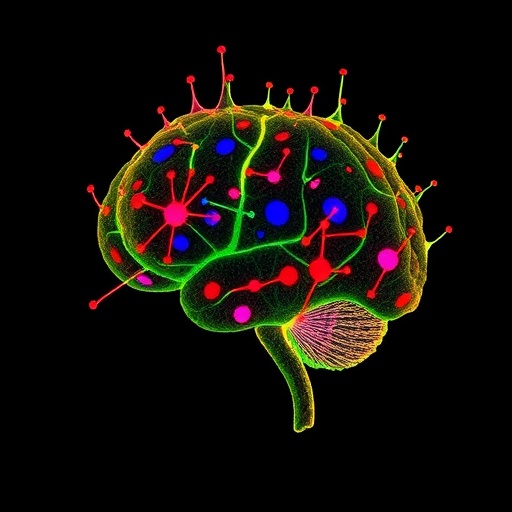
In the relentless pursuit of brain health, a new frontier is emerging that could revolutionize how we treat neurological disorders. Scientists are increasingly turning their attention to astrocytes, the star-shaped glial cells that have long been overshadowed by neurons in neuroscience research. Recent groundbreaking studies shed light on the potential of astrocyte-specific therapies, a paradigm shift that could unlock novel avenues for curing a range of complex brain diseases.
Astrocytes, often considered the silent supporters of neuronal activity, play critical roles in maintaining brain homeostasis, regulating synaptic function, and mediating neurovascular interactions. For decades, these cells were relegated to the background, perceived merely as caretakers maintaining the extracellular environment. Today, however, researchers recognize that astrocytes are active participants in brain physiology and pathology, influencing everything from neurotransmitter uptake to inflammatory processes.
A deep dive into astrocyte biology reveals a sophisticated network of molecular and cellular interactions that make them pivotal in brain disease mechanisms. For instance, in neurodegenerative conditions such as Alzheimer’s and Parkinson’s disease, astrocytes undergo pathological transformations that contribute to disease progression rather than merely responding to neuronal loss. Targeting these altered astrocyte states offers a promising therapeutic angle that could halt or even reverse neurodegeneration.
Recent advancements in molecular medicine and cutting-edge imaging technologies have empowered scientists to profile astrocytes with unprecedented precision. This high-resolution insight allows identification of astrocyte subtypes involved in specific pathologies. Tailoring therapies to these subtypes means interventions can be more selective, thereby minimizing off-target effects and improving clinical outcomes. Such specificity marks a major step forward from the broad-spectrum neuroprotective drugs currently available.
One of the most exciting developments in this field is the exploration of astrocyte-specific gene editing techniques. CRISPR-Cas9 and other gene modulation tools are being harnessed to correct dysfunctional genes or modulate gene expression selectively in astrocytes. This precision medicine approach holds the potential to address molecular abnormalities at their root, transforming how we manage hereditary and acquired brain disorders.
Equally compelling is the burgeoning field of astrocyte-targeted drug delivery systems. Researchers are designing nanoparticles and viral vectors that cross the blood-brain barrier to deliver therapeutic agents directly to astrocytes. This approach circumvents many challenges related to drug distribution in the brain and ensures that pharmacological interventions achieve effective concentrations at their target sites without systemic toxicity.
Beyond gene editing and drug delivery, the manipulation of astrocyte metabolism is gaining traction as a therapeutic strategy. Astrocytes regulate brain energy metabolism, including the provision of lactate to neurons and the clearance of metabolic waste via the glymphatic system. Therapeutic modulation of these metabolic pathways may enhance neuronal resilience and promote brain repair mechanisms, offering hope for conditions such as stroke and traumatic brain injury.
The immunomodulatory role of astrocytes also opens promising therapeutic possibilities. As key players in neuroinflammation, astrocytes can either exacerbate or ameliorate inflammatory responses. By reprogramming astrocytes towards anti-inflammatory phenotypes, it may be possible to limit chronic inflammation that characterizes multiple sclerosis, amyotrophic lateral sclerosis, and other neuroimmune conditions.
Significant challenges remain in translating these astrocyte-specific therapies from bench to bedside. The heterogeneity of astrocytes across different brain regions and disease states complicates therapeutic design. Comprehensive molecular and functional characterization in human subjects is still ongoing, necessitating large-scale clinical trials to validate efficacy and safety. Regulatory pathways for novel gene and cell therapies require rigorous scrutiny to ensure patient safety.
Collaborative efforts spanning neuroscience, molecular biology, pharmacology, and bioengineering are driving the rapid evolution of astrocyte-targeted therapies. Interdisciplinary teams are integrating single-cell transcriptomics, proteomics, and functional assays to map astrocyte networks and identify actionable therapeutic targets. These concerted efforts exemplify how cross-disciplinary innovation accelerates the journey from discovery to clinical application.
Moreover, patient advocacy and precision medicine initiatives are shaping research priorities. By incorporating patient-derived induced pluripotent stem cells and organoid models, scientists can more accurately model astrocyte dysfunction in various neurological diseases. These patient-specific platforms enable personalized therapeutic screening, paving the way for tailored treatment regimens that reflect individual disease mechanisms.
Ethical considerations are integral to advancing astrocyte-specific therapies, particularly with gene editing and long-term interventions in the brain. Ensuring informed consent, addressing potential off-target effects, and balancing risks versus benefits will remain critical components of responsible clinical translation. Ongoing dialogue among scientists, clinicians, ethicists, and patient communities is essential to navigate these complexities.
Looking forward, the prospect of curing brain diseases through astrocyte-specific therapies heralds a new era in neuroscience. By shifting the focus from neurons alone to the broader cellular ecosystem of the brain, researchers are uncovering a wealth of therapeutic opportunities. The ongoing refinement of molecular tools, delivery platforms, and disease models positions the field at the cusp of transformative breakthroughs.
As this promising research continues, the medical community and the public alike await developments that could fundamentally reshape treatment paradigms for devastating neurological conditions. The ability to precisely modulate astrocytes offers hope not only for symptom alleviation but for true disease modification and repair. In this quest, astrocytes are finally stepping into the spotlight, not as mere supporters but as key architects of brain health and recovery.
The journey is just beginning, but the momentum is undeniable. With each discovery, the vision of curing brain diseases by harnessing astrocyte biology grows clearer and more attainable. This burgeoning field stands as a testament to the power of scientific curiosity and innovation to challenge old dogmas and open new paths toward healing the brain.
Subject of Research: Astrocyte-specific therapies for neurological disease treatment.
Article Title: Author Correction: Curing the brain: in search for new astrocyte-specific therapies
Article References:
Verkhratsky, A., Lee, C.J., Chun, H. et al. Author Correction: Curing the brain: in search for new astrocyte-specific therapies. Exp Mol Med (2026). https://doi.org/10.1038/s12276-026-01749-5
Image Credits: AI Generated


