


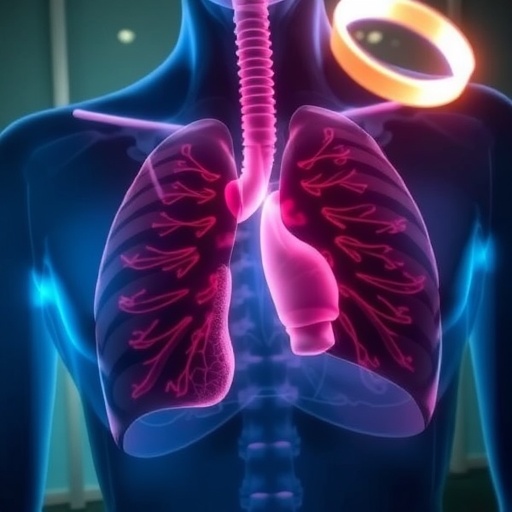
A groundbreaking study conducted by researchers at Hiroshima University Hospital has shed new light on a postoperative complication that has long been overlooked in clinical practice—post-extubation pneumonia (PEP). Analyzing comprehensive medical records of over 31,000 patients undergoing non-emergency surgeries, the research team has demonstrated that pneumonia developing after the removal of an endotracheal tube represents a distinct clinical entity rather than merely a routine postoperative complication. This revelation challenges previously held perceptions and suggests vital avenues for prevention and intervention that could significantly enhance patient recovery outcomes and reduce morbidity.
Intubation with mechanical ventilation is a cornerstone of modern surgical and critical care, used extensively to maintain airway patency and adequate oxygenation during general anesthesia. However, the transition period following extubation—the removal of the breathing tube—has largely been ignored as a critical risk phase for pneumonia development. The Hiroshima University study reports that pneumonia incidence post-extubation surpassed that occurring during mechanical ventilation, with the majority of cases manifesting within one to two weeks following surgery. This timing highlights a previously underappreciated vulnerability window during postoperative recovery.
At the core of PEP’s pathophysiology appears to be impaired swallowing function, which predisposes patients to aspiration. The delicate coordination of neuromuscular activity required for safe swallowing can be disrupted by intubation trauma, sedation effects, or underlying neurological deficits, facilitating the entry of food or liquid into the lungs. This aspiration then triggers an infectious process demanding antibiotic treatment, and without timely detection and management, can severely prolong hospitalization, diminish patient quality of life, and increase healthcare costs. The study’s findings underscore the urgent need for targeted assessments of swallowing function immediately after extubation to identify patients at elevated risk.
Led by assistant head nurse Junko Hirayama and lecturer Masahiro Nakamori, Hiroshima University’s multidisciplinary team processed diagnosis procedure combination and claims data spanning seven years, from 2016 to 2023. Their extensive database review elucidated the epidemiology and risk profiles associated with post-extubation pneumonia compared to ventilator-associated pneumonia (VAP). While VAP remains a critical focus in critical care, the comparatively low incidence of VAP in this cohort—only 27 cases—compared to 212 PEP cases clearly establishes PEP as a significant and independent clinical challenge.
Demographically, the study identified that age is a considerable risk factor, with elderly patients exhibiting much higher susceptibility to PEP. Additionally, men showed a 65% increased risk relative to women, indicating possible sex-based biological or behavioral factors that warrant further exploration. Nutritional status emerged as critical, as patients with a body mass index below 18.5 were significantly more likely to develop PEP. Impaired consciousness at extubation was another crucial predictor, reinforcing the importance of neurological function integrity in airway protection mechanisms.
Importantly, the risk associated with PEP spanned a diverse range of surgical categories. Although head and neck surgeries naturally correlated with aspiration and swallowing difficulties, significant incidence rates were also observed following gastrointestinal, respiratory, cardiovascular, and orthopedic operations. This widespread vulnerability implies that clinicians must adopt a holistic approach to PEP risk assessment and prevention irrespective of the surgical discipline, integrating multidisciplinary care protocols into routine postoperative management.
The clinical implications of PEP extend beyond immediate infectious morbidity; the delay and complications it inflicts can negate the expected improvements from the primary surgical intervention. Patients admitted with the anticipation of recovery often experience deterioration due to this overlooked complication. Hence, early detection strategies such as bedside swallowing evaluations, instrumental assessments like videofluoroscopic swallowing studies, and proactive rehabilitation efforts become paramount for improving patient trajectories.
Nakamori emphasized that the key to combating PEP lies in early and comprehensive intervention. A multidimensional team approach involving physicians, dentists, nurses, pharmacists, dietitians, dental hygienists, and rehabilitation specialists emerges as essential. Such collaboration ensures the wide range of swallowing dysfunction contributors—from dental health to medication side effects—are adequately addressed. Interdisciplinary care models designed to optimize oropharyngeal integrity and function post-extubation may represent the next frontier in reducing pneumonia-associated postoperative morbidity.
Given the rising elderly surgical population worldwide and the increasing complexity of surgeries performed under general anesthesia, the identification of PEP as a primary clinical entity highlights a pressing need for global awareness and guideline development. Treatments aimed specifically at improving swallow function and preventing aspiration can potentially transform postoperative care standards, reducing complications and speeding recovery timelines.
The research, published in the journal Scientific Reports on March 16, 2026, proposes a paradigm shift in the understanding of postoperative respiratory infections. By isolating PEP from the broader category of postoperative pneumonia, and delineating distinct risk factors, the study paves the way for future research into tailored interventional studies and potential therapeutic protocols directed at airway protection post-extubation.
This study also identifies significant research gaps that warrant exploration, including the molecular and immunological mechanisms underpinning PEP susceptibility, the impact of varying anesthesia protocols on swallowing function, and the development of predictive clinical scoring tools to stratify risk. Longitudinal monitoring of patients post-extubation with integrated swallowing and respiratory function evaluations could reveal insights into the natural history and trajectory of this condition.
In conclusion, PEP represents a clinically and scientifically critical challenge, with repercussions on patient recovery, healthcare resource allocation, and surgical outcome optimization. Acknowledging it as a distinct postoperative pathology necessitates revisiting care protocols and integrating innovative, collaborative prevention strategies. This landmark study from Hiroshima University redefines the narrative around postoperative pneumonia and sets an important precedent for comprehensive surgical care in the 21st century.
News Publication Date: 16-Mar-2026
Web References:
https://www.nature.com/articles/s41598-026-44666-3
Cite Scienmag News
Ophelia Keating. (May 7, 2026). New Study Reveals Post-Extubation Pneumonia as a Unique Surgical Complication and Highlights Major Risk Factors. Scienmag. https://scienmag.com/new-study-reveals-post-extubation-pneumonia-as-a-unique-surgical-complication-and-highlights-major-risk-factors/
Ophelia Keating. "New Study Reveals Post-Extubation Pneumonia as a Unique Surgical Complication and Highlights Major Risk Factors." Scienmag, 7 May 2026, https://scienmag.com/new-study-reveals-post-extubation-pneumonia-as-a-unique-surgical-complication-and-highlights-major-risk-factors/. Accessed 4 September 2026.
Ophelia Keating. "New Study Reveals Post-Extubation Pneumonia as a Unique Surgical Complication and Highlights Major Risk Factors." Scienmag. May 7, 2026. https://scienmag.com/new-study-reveals-post-extubation-pneumonia-as-a-unique-surgical-complication-and-highlights-major-risk-factors/


