


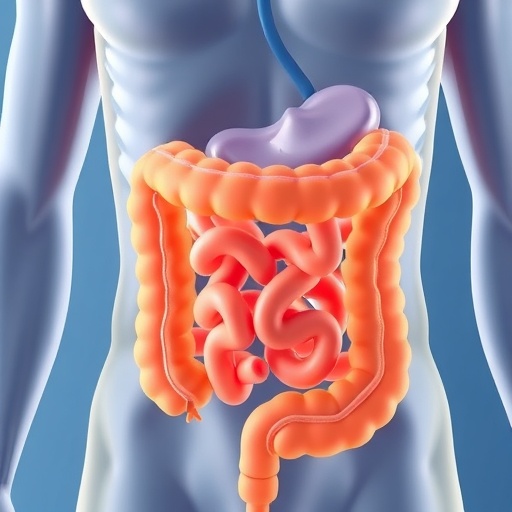
A groundbreaking multicenter randomized trial has unveiled compelling evidence supporting the use of low-volume polyethylene glycol (PEG) solutions for bowel preparation in hospitalized adults undergoing elective colonoscopy. Conducted across seven hospitals in Italy between mid-2021 and early 2025, this rigorous study—known as the INTERPRET trial—compared the cleansing efficacy, tolerability, and safety profiles of three different volumetric regimens: 1 liter, 2 liters, and the conventional 4-liter PEG solutions. This large-scale investigation encompassed 665 inpatient participants who were randomized to receive one of the three regimens prior to colonoscopy, with endoscopists blinded to the volume administered.
The core finding of the study disrupts longstanding clinical assumptions by demonstrating that a 1-liter PEG-ascorbate regimen delivers superior overall bowel cleansing without compromising safety, effectively rivaling the higher volume 2-liter and 4-liter solutions traditionally considered standard of care. Particularly noteworthy was the enhanced mucosal visualization in the right colon, a segment notoriously challenging for adequate preparation and crucial for the detection of premalignant lesions. This indicates that reduced fluid volume not only enhances patient tolerability but may concurrently optimize diagnostic yield.
Patient compliance is a linchpin in successful colonoscopic evaluation, yet the large volumes required by conventional PEG preparatives frequently diminish adherence due to intolerable taste and associated gastrointestinal discomfort. The INTERPRET trial distinctly highlighted that patients exposed to the 1-liter regimen reported greater willingness to repeat the procedure using this approach, an important consideration for surveillance protocols and longitudinal care. This favorable acceptance suggests considerable promise for low-volume preparations in improving completion rates, especially in frail hospitalized populations where hydration and electrolyte balance can be delicate concerns.
Methodologically, the trial’s randomization and blinded assessment protocols ensured robust validity, with bowel hygiene gauged by standardized scoring systems immediately prior to endoscopy. Analysis revealed that all regimens yielded comparable frequencies of adequate cleansing; however, granular assessment divulged superior cleansing quality with the lower volume solution. The equivalence—or superiority—of the 1-liter PEG-ascorbate regimen challenges current clinical dogma that equates higher volume with more effective bowel preparation.
Safety evaluations within the cohort revealed no significant escalation in adverse events such as electrolyte disturbances, dehydration, or acute kidney injury with the low-volume protocol. These findings assuage previous concerns about the efficacy-safety trade-off that traditionally justified larger volume use. Importantly, hospitalized patients, often burdened with comorbidities and polypharmacy, tolerated the decrease in prep volume without compromising their clinical stability.
The clinical implications of these findings are wide-reaching, potentially reshaping institutional protocols for inpatient bowel preparation. Elective colonoscopy in hospitalized adults frequently encounters barriers including suboptimal preparation leading to procedural delays or repeated examinations. Adoption of low-volume PEG could streamline clinical pathways, reduce hospital resource utilization, and importantly, mitigate patient discomfort and procedural risk.
Notwithstanding the robust design and compelling results, investigators advise cautious extrapolation of these findings beyond inpatient settings. Outpatient populations with differing comorbid profiles, hydration status, and ambulatory capacities merit dedicated evaluation to ascertain if similar benefits apply. Further prospective trials in community-based and diverse demographic cohorts are essential to frame universal guidelines.
This study also underscores the evolving landscape of bowel preparation, where adjunctive strategies such as ascorbate-enhancement improve osmolarity and cleansing efficacy, allowing volume reduction without functional compromise. The biochemical mechanics of ascorbate-mediated colonic mucosal cleansing and its antioxidant properties warrant further exploration within the context of mucosal health and cancer prevention.
In an era where patient-centered care prioritizes quality of life alongside clinical efficacy, the INTERPRET trial’s findings champion a paradigm shift. The movement toward low-volume preparation protocols encapsulates a confluence of enhanced tolerability, maintained diagnostic accuracy, and streamlined workflow—elements critical for advancing gastroenterological care in hospitalized adults.
Experts anticipate that guidelines committees and hospital formularies will soon reevaluate their recommendations in light of these data. The trial’s publication in a leading peer-reviewed internal medicine journal promises widespread dissemination, fostering an informed dialogue among gastroenterologists, hospital medicine physicians, and allied healthcare professionals.
Ultimately, the adoption of a 1-liter PEG bowel preparation as a new standard could herald improved colonoscopy outcomes, earlier detection of colonic pathology, and heightened patient satisfaction. This study reaffirms that innovation in even well-established medical protocols like bowel prep can yield meaningful improvements in both clinical practice and patient experience.
News Publication Date: 5-May-2026
Web References: http://dx.doi.org/10.7326/ANNALS-25-05005
Cite Scienmag News
Ophelia Keating. (May 4, 2026). Lower-Volume Bowel Preparation Proves Equally Effective and Safe as Higher-Volume Regimen for Inpatient Colonoscopy. Scienmag. https://scienmag.com/lower-volume-bowel-preparation-proves-equally-effective-and-safe-as-higher-volume-regimen-for-inpatient-colonoscopy/
Ophelia Keating. "Lower-Volume Bowel Preparation Proves Equally Effective and Safe as Higher-Volume Regimen for Inpatient Colonoscopy." Scienmag, 4 May 2026, https://scienmag.com/lower-volume-bowel-preparation-proves-equally-effective-and-safe-as-higher-volume-regimen-for-inpatient-colonoscopy/. Accessed 3 September 2026.
Ophelia Keating. "Lower-Volume Bowel Preparation Proves Equally Effective and Safe as Higher-Volume Regimen for Inpatient Colonoscopy." Scienmag. May 4, 2026. https://scienmag.com/lower-volume-bowel-preparation-proves-equally-effective-and-safe-as-higher-volume-regimen-for-inpatient-colonoscopy/


