


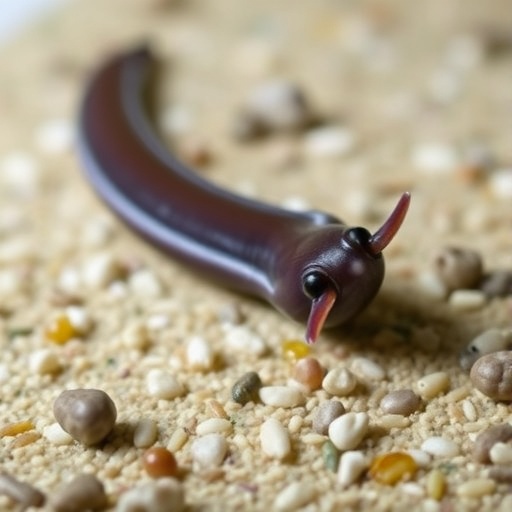
Researchers at Lund University in Sweden have unveiled a remarkable breakthrough by harnessing the extraordinary regenerative powers of wild Scandinavian flatworms to accelerate wound healing in human skin models. For centuries, flatworms have fascinated scientists due to their astonishing ability to regenerate entire bodies from mere fragments. Now, this natural marvel is inspiring new therapeutic strategies to enhance human tissue repair, a discovery that could revolutionize how we treat wounds, burns, and other skin injuries.
Flatworms, specifically planarians, exhibit a regenerative prowess unparalleled in the animal kingdom. Their ability to reproduce up to 200 new individuals from a single organism’s fragment underscores a biological complexity that researchers are eager to decode. This capacity is largely driven by cellular communication orchestrated through tiny extracellular vesicles known as exosomes. These nanoscale structures carry signaling molecules that influence gene expression, cellular growth, and immune responses within the worms themselves. Yet, until recently, it remained unknown whether these signals could transcend species barriers and aid regeneration in humans.
The cross-disciplinary collaboration started when a Korean skincare company approached Lund University, intrigued by the possible applications of Scandinavian flatworm biology in skin therapeutics. This unexpected inquiry prompted the Lund team, led by associate researcher Martin Hjort and fellow researcher Rakel Bjurling, to embark on an innovative exploration into these flatworms’ regenerative secretions. Despite the university not specializing in flatworm research, the team embraced the challenge, driven by the prospect of unlocking new regenerative pathways.
To preserve physiological authenticity, the team collected wild flatworms from Malmö’s Pildammsparken, the largest urban park, utilizing ingenious live traps baited with raw chicken meat. This method successfully captured the five-millimeter-long organisms, which became immobilized upon engorging themselves. Unlike laboratory-bred models, these wild specimens present a complex array of naturally occurring biological traits that are critical for translational research.
Upon harvesting, the flatworms were surgically bisected to prompt the release of their precious exosomes. The researchers then meticulously isolated these vesicles, an endeavor complicated by their minuscule size approximately equivalent to that of viruses. Handling such nano-sized particles requires cutting-edge techniques and extreme precision to avoid contamination and ensure integrity of the signaling cargo they carry.
Subsequent testing involved applying the flatworm-derived exosomes to reconstructed human skin models, sophisticated 3D cultures commonly used in cosmetic and pharmaceutical testing to simulate human epidermal physiology. Remarkably, the treated skin showed significant thickening, indicative of enhanced cellular proliferation and matrix production. When mechanical wounds were introduced, the models demonstrated notably accelerated closure rates compared to controls, providing direct evidence of the exosomes’ therapeutic effect.
In addition to mechanical injury repair, the research extended to models simulating burn damage. Here too, the blood vessels within the skin exhibited faster recovery under the influence of flatworm exosomes. This dual efficacy in disparate types of skin trauma suggests a broad-spectrum regenerative potential rooted in the molecular cargo of these extracellular vesicles.
The mechanistic underpinnings are hypothesized to arise from signaling molecules within the exosomes—likely a complex mixture of proteins, RNAs, and lipids—that modulate key cellular pathways controlling inflammation, proliferation, and differentiation. By interfacing with human cellular machinery, these flatworm signals appear to “jump-start” intrinsic healing modalities, effectively bridging species and biological kingdoms.
While the research is still in its early phases, the implications are far-reaching. The Korean skincare collaborator aims to translate these findings into a commercially viable therapeutic cream harnessing the regenerative exosome cocktail. Meanwhile, Lund University has secured a patent pending on this novel application, underscoring the innovation’s originality and potential commercial value.
This discovery also opens new frontiers for regenerative medicine, highlighting the untapped potential of organisms with exceptional natural repair mechanisms. By mimicking or utilizing such biological tools, scientists hope to develop advanced therapies for chronic wounds, burns, and possibly even systemic tissue damage. Furthermore, this study shifts attention to the significance of extracellular vesicles as mediators of interspecies communication and repair, a field ripe for further investigation.
Martin Hjort stresses the novelty of this approach, stating, “This is the first known instance of employing a flatworm’s innate regenerative ability to stimulate healing in a completely different organism. The biological dialogue enabled by these exosomes is a truly groundbreaking phenomenon.” Such pioneering work underscores the creativity of fundamental research in revealing unexpected paths toward clinical innovation.
As this research progresses, the Lund team remains focused on dissecting the molecular contents of the exosomes and elucidating their mechanisms of action at cellular and systemic levels. Future studies will also need to evaluate safety, efficacy, and scalability before these flatworm-derived therapies can become mainstream options in wound care and dermatology.
Ultimately, this remarkable convergence of natural biology and cutting-edge biomedical research may soon offer new hope for millions suffering from difficult-to-heal wounds. By borrowing insights from one of nature’s most potent regenerators, scientists at Lund University have taken an exciting step toward transforming the science of healing and skin repair.
Cite Scienmag News
Drew Townsend. (April 28, 2026). Wild Flatworms Possess Remarkable Wound-Healing Abilities. Scienmag. https://scienmag.com/wild-flatworms-possess-remarkable-wound-healing-abilities/
Drew Townsend. "Wild Flatworms Possess Remarkable Wound-Healing Abilities." Scienmag, 28 April 2026, https://scienmag.com/wild-flatworms-possess-remarkable-wound-healing-abilities/. Accessed 3 September 2026.
Drew Townsend. "Wild Flatworms Possess Remarkable Wound-Healing Abilities." Scienmag. April 28, 2026. https://scienmag.com/wild-flatworms-possess-remarkable-wound-healing-abilities/


