


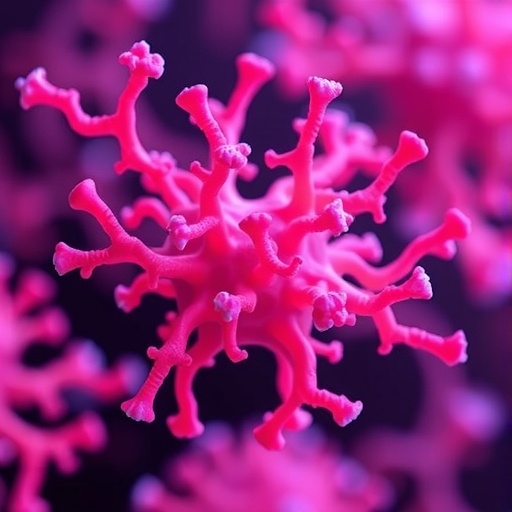
The gut microbiome has surged to the forefront of medical research as a vital player in human health, influencing everything from metabolism to immune function. Among the diverse bacterial species that inhabit the gastrointestinal tract, Faecalibacterium prausnitzii has garnered particular attention due to its anti-inflammatory properties and potential therapeutic benefits. A newly published study in Nature Communications marks a significant milestone in translating this knowledge from bench to bedside. The trial, led by researchers Guarino-Vignon, Louis, Pham, and colleagues, represents the very first human clinical investigation of Faecalibacterium prausnitzii EXL01—a probiotic formulation designed to sustain steroid-induced remission in patients suffering from Crohn’s disease, a chronic and often debilitating inflammatory bowel condition.
Crohn’s disease (CD) is characterized by uncontrolled inflammation within the gastrointestinal tract, which leads to symptoms like abdominal pain, diarrhea, weight loss, and an overall decline in life quality. While corticosteroids are effective in inducing remission during flare-ups, their long-term use is fraught with systemic side effects, and patients often experience relapses upon steroid withdrawal. Existing maintenance therapies mitigate these setbacks but are not universally effective. Therefore, novel approaches that can maintain clinical remission with fewer adverse effects are in desperate demand. The concept of leveraging F. prausnitzii for such purposes is grounded in its role as one of the most abundant commensal bacteria in the healthy human gut, known to produce butyrate and other metabolites that strengthen the intestinal barrier and modulate immune responses.
In this groundbreaking study, the investigators meticulously developed a stabilized preparation of Faecalibacterium prausnitzii strain EXL01, optimized for survival and colonization within the hostile environment of the human intestine. Stability was particularly challenging given that this bacterium is extremely oxygen-sensitive. Through innovative packaging and lyophilization techniques, the research team ensured that EXL01 retained viability from production to ingestion. The clinical trial involved adult participants with Crohn’s disease who had recently achieved steroid-induced clinical response or remission. The objective was to evaluate whether administering EXL01 could prolong remission, thereby reducing the need for chronic steroid use.
The trial employed a randomized, double-blind, placebo-controlled design to ensure the reliability and robustness of the findings. Subjects were assigned either to receive daily oral doses of EXL01 or a placebo, with careful monitoring over several months. Clinical endpoints included not only symptom scores but also objective markers of inflammation such as C-reactive protein levels and endoscopic assessments. Parallel microbiome analyses were conducted to ascertain whether EXL01 administration could alter gut microbial composition favorably and whether such changes correlated with clinical outcomes.
Results from the trial are very promising and signify a potential paradigm shift in Crohn’s disease management. Patients receiving the EXL01 probiotic demonstrated not only statistically significant prolongation of remission but also reported improvements in quality of life metrics. Importantly, no serious adverse effects attributable to the probiotic were observed, underscoring its safety profile. Microbiome sequencing revealed an enriched abundance of F. prausnitzii in treated individuals, alongside increased production of beneficial short-chain fatty acids, which are known to promote mucosal healing and resolve inflammatory cascades.
The biological underpinnings of these clinical improvements appear rooted in the immunomodulatory capabilities of F. prausnitzii. The bacterium produces metabolites that inhibit NF-κB signaling, a pivotal pathway in pro-inflammatory gene expression. By dampening this signaling axis, EXL01 may help restore immune homeostasis in the gut mucosa—a crucial factor in preventing disease flares. Additionally, butyrate and related molecules serve as energy sources for colonic epithelial cells, reinforcing the integrity of the mucosal barrier and preventing translocation of pathogenic bacteria and antigens that exacerbate inflammation.
The implications of this pilot trial extend beyond Crohn’s disease. Given the implicated role of gut dysbiosis in other inflammatory conditions such as ulcerative colitis, irritable bowel syndrome, and even extra-intestinal disorders like rheumatoid arthritis and multiple sclerosis, the development of a stable F. prausnitzii probiotic offers a versatile therapeutic avenue. Moreover, this research paves the way for personalized microbiome-based interventions where bacterial strains could be selected or engineered to target specific inflammatory pathways relevant to individual patients.
While the study’s findings are compelling, the authors acknowledge limitations including the relatively small sample size and the short duration of follow-up. Larger, multi-center trials with longer monitoring periods will be essential to corroborate these results and establish the probiotic’s positioning within the broader Crohn’s disease treatment landscape. There is also interest in exploring combination therapies that integrate EXL01 with existing biologics and immunosuppressants to enhance efficacy while minimizing drug-related toxicities.
This first-in-human trial marks a significant leap forward in microbial therapeutics, underscoring the utility of gut commensals as precision medicines rather than generic supplements. It exemplifies the fusion of cutting-edge microbiology, formulation sciences, and clinical gastroenterology, culminating in a therapeutic candidate that has the potential to redefine standards of care in inflammatory bowel diseases. As the field progresses, we can anticipate that microbe-derived products will become standard components of therapeutic regimens, enhancing long-term outcomes by restoring the symbiotic balance within our gut ecosystem.
Additionally, this study sheds light on the intricacies of host-microbe interactions in chronic diseases. Understanding how specific bacterial species and their metabolites interact with immune cells offers fertile ground for novel drug discovery. The success of F. prausnitzii EXL01 may stimulate interest in other beneficial microbes, fostering a new class of “next-generation probiotics” with targeted biological functions tailored to diverse medical conditions.
The researchers also emphasize the importance of integrating microbial therapeutics with diet and lifestyle modifications, which collectively influence microbial diversity and metabolic output. Future clinical guidelines may increasingly incorporate strategies that synergistically employ microbiome modulation alongside pharmacotherapy. This holistic approach could greatly improve disease control and patient well-being.
In conclusion, the pioneering clinical trial evaluating Faecalibacterium prausnitzii EXL01 presents encouraging evidence supporting microbiome-based maintenance therapy for Crohn’s disease. The safety, feasibility, and efficacy demonstrated in this study herald an exciting new chapter in gastroenterology, where live biotherapeutic products become integral to managing complex inflammatory disorders. Continued investigations will further elucidate optimal dosing, long-term safety, and patient selection criteria, ultimately transforming the therapeutic landscape for millions affected by Crohn’s disease worldwide. The microbiome revolution in medicine has truly arrived.
Cite Scienmag News
Morgan Morrow. (April 28, 2026). Faecalibacterium prausnitzii Trial for Crohn’s Disease Remission. Scienmag. https://scienmag.com/faecalibacterium-prausnitzii-trial-for-crohns-disease-remission/
Morgan Morrow. "Faecalibacterium prausnitzii Trial for Crohn’s Disease Remission." Scienmag, 28 April 2026, https://scienmag.com/faecalibacterium-prausnitzii-trial-for-crohns-disease-remission/. Accessed 1 September 2026.
Morgan Morrow. "Faecalibacterium prausnitzii Trial for Crohn’s Disease Remission." Scienmag. April 28, 2026. https://scienmag.com/faecalibacterium-prausnitzii-trial-for-crohns-disease-remission/


