


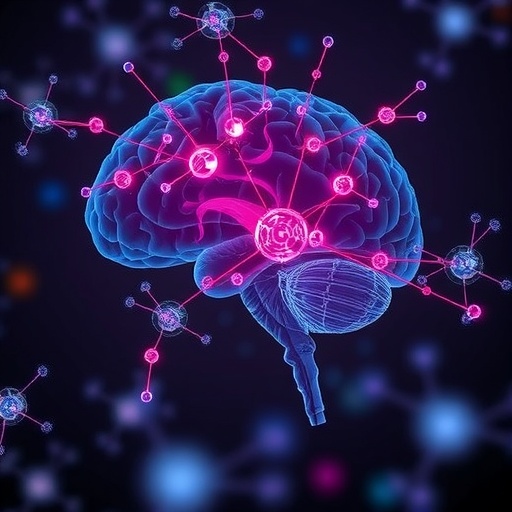
Astrocytes: The Unsung Heroes Behind Cognitive Longevity and Brain Resilience
In the quest to unravel the intricate workings of the human brain, astrocytes—star-shaped glial cells—are emerging as pivotal players in maintaining neural health and cognitive function throughout life. Far beyond their traditional supportive role, these specialized cells orchestrate a constellation of homeostatic and neuroprotective functions that collectively forge the brain’s cognitive reserve, a critical determinant of how well individuals age cognitively and resist neurological diseases.
The concept of cognitive reserve, first introduced by neurologist Yaakov Stern, helps explain a perplexing phenomenon: why some individuals with significant brain pathology still maintain relatively intact cognitive function, while others with similar damage suffer severe neurological decline. Cognitive reserve embodies a person’s ability to withstand neurological insults without manifesting clinical symptoms, and astrocytes stand at the heart of this phenomenon.
Cognitive reserve consists of multiple interwoven components—brain reserve, brain maintenance, brain resilience, and brain compensation—all shaped by an intricate dance between one’s genetic blueprint and lifelong environmental exposures. Brain reserve relates to anatomical robustness, including neuron and synapse numbers, while brain maintenance involves ongoing homeostatic mechanisms preserving cellular function. Brain resilience reflects the ability to endure stress without succumbing to pathology, and brain compensation represents the nervous system’s regenerative capacity, enabling repair and adaptation.
Astrocytes contribute substantially to each of these domains through their diverse and dynamic physiological roles. They regulate ion homeostasis, tightly controlling potassium, sodium, calcium, and chloride levels to fine-tune neuronal excitability. This ionostasis is fundamental for the precise firing of neurons and the preservation of synaptic integrity, underpinning normal cognitive operations.
Beyond ionic regulation, astrocytes exquisitely manage neurotransmitter clearance, preventing excessive stimulation or inhibition that could lead to excitotoxicity or neuronal silencing. For instance, astrocytes isolate glutamate—one of the brain’s primary excitatory neurotransmitters—safely removing it from the synaptic cleft and recycling it as glutamine. Similarly, they clear GABA and monoamines, providing neurons not only with a clean extracellular environment but also essential precursors for neurotransmitter synthesis.
The metabolic support astrocytes offer is equally indispensable. By delivering energy substrates like lactate to neurons, they enable these energetically demanding cells to sustain synaptic signaling and plasticity. Furthermore, astrocytes combat oxidative stress—an insidious contributor to neurodegenerative processes—through the biosynthesis of antioxidants such as glutathione and the recycling of ascorbic acid, thereby shielding neural components from reactive oxygen species.
Crucially, astrocytes also engage in sculpting synaptic networks, guiding synaptogenesis, maturation, and pruning. This synaptic modulation is not static; astrocytes dynamically shape neural circuits in response to environmental cues, learning, and experience, which in turn bolsters cognitive reserve by maintaining optimal connectivity and function throughout life.
Reactive astrogliosis—the astrocytic response to injury or disease—illustrates their protective versatility. Upon trauma or pathological insult, astrocytes transform the neural landscape by forming glial scars that isolate damaged areas, preventing the spread of injury and fostering a reparative environment. Such responses are vital in acute and chronic neurological conditions, underscoring astrocytes’ role as guardians and facilitators of brain recovery.
Moreover, astrocytes serve as neural stem cells in certain brain regions, contributing to neurogenesis—the generation of new neurons—long after development. This lifelong neurogenic potential adds a regenerative dimension to brain reserve, enhancing cognitive perseverance in the face of degenerative changes that typify aging and disease.
Lifestyle factors notably influence astrocyte function and, by extension, cognitive reserve. Physical exercise, dietary habits, and intellectual engagement have been shown to bolster astrocytic pathways, promoting brain maintenance and resilience. Conversely, chronic stress, metabolic disorders, and neuroinflammation can impair astrocytic support systems, accelerating cognitive decline and neuropathology accrual.
As a burgeoning frontier in neuroscience, astrocyte biology offers promising avenues for novel therapeutic interventions. Targeting astrocyte-specific pathways to enhance homeostatic, neuroprotective, and regenerative strategies may revolutionize treatments for an array of central nervous system disorders and combat cognitive deterioration associated with aging.
The expanding understanding of astrocytes reshapes our perception of brain health, challenging neuron-centric paradigms and recognizing the indispensable contributions of neuroglia in sustaining cognitive function. Future research aimed at decoding astrocyte heterogeneity and manipulating their responses holds transformative potential for curing or ameliorating brain diseases.
In summary, astrocytes form the cellular backbone of cognitive reserve through their multifaceted support of neuronal networks, maintaining ion balance, neurotransmitter homeostasis, metabolic support, oxidative defense, synaptic regulation, and participation in brain repair. Their combined actions not only preserve cognitive integrity but also empower the brain’s resilience and regenerative abilities, positioning these glial cells as central targets for next-generation neurotherapies.
Cite Scienmag News
Clara W. (April 24, 2026). Unlocking Astrocyte Therapies to Cure Brain Disease. Scienmag. https://scienmag.com/unlocking-astrocyte-therapies-to-cure-brain-disease/
Clara W. "Unlocking Astrocyte Therapies to Cure Brain Disease." Scienmag, 24 April 2026, https://scienmag.com/unlocking-astrocyte-therapies-to-cure-brain-disease/. Accessed 29 August 2026.
Clara W. "Unlocking Astrocyte Therapies to Cure Brain Disease." Scienmag. April 24, 2026. https://scienmag.com/unlocking-astrocyte-therapies-to-cure-brain-disease/


