


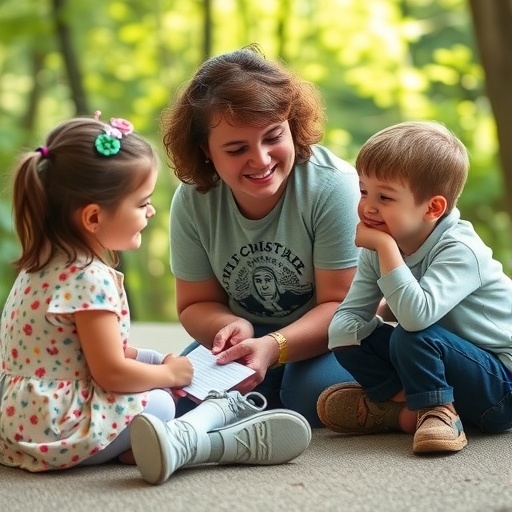
In a groundbreaking advancement for pediatric autoimmune disease management, researchers at Michigan State University have developed an innovative six-session remote cognitive behavioral therapy (CBT) program specifically targeting children and adolescents diagnosed with childhood-onset lupus. This autoimmune condition, characterized by the body’s immune system attacking its own tissues, presents numerous debilitating symptoms including chronic fatigue, persistent pain, mood disturbances, and cognitive dysfunction, all of which drastically impair the quality of life of affected youth. The newly introduced remote program, named the Treatment and Education Approach for Childhood-onset lupus (TEACH), integrates cognitive behavioral therapy with mindfulness meditation techniques, delivering a holistic psychological intervention designed to equip young patients with effective symptom management skills without increasing their pharmaceutical burden.
Childhood-onset lupus is particularly severe and complex, often emerging during adolescence, a critical developmental period. It disproportionally affects females and ethnic minorities including Black, Latinx, Indigenous, Asian, and Pacific Islander populations—groups traditionally underserved in behavioral health care research and provision. The autoimmune pathology of lupus leads to widespread inflammation affecting multiple organ systems, with comorbid mental health challenges such as depression and anxiety frequently complicating the clinical picture. These psychological symptoms, along with profound fatigue and chronic pain, contribute to a cycle of poor functioning and increased disease burden. Until now, limited non-pharmacologic options existed to address these intersecting challenges effectively.
The TEACH program represents a paradigm shift. Developed over a decade ago by Dr. Natoshia Cunningham, a pediatric psychologist and associate professor at MSU’s College of Human Medicine, TEACH was iteratively refined to meet the unique needs of pediatric lupus patients. Cunningham’s expertise lies in tailoring behavioral health interventions to pediatric populations with chronic, painful illnesses complicated by mental health symptoms. The program’s tenets are grounded in evidence-based CBT principles aimed at restructuring maladaptive thought patterns, alongside mindfulness strategies that promote physiological relaxation and stress reduction. Conducted remotely via telehealth, TEACH sessions ensure accessibility for patients nationwide, addressing common barriers to behavioral care such as geographic and socioeconomic constraints.
A recent randomized controlled trial published in Arthritis Care & Research validated the efficacy of TEACH. Conducted across six clinical sites in the United States and Canada and funded by the Arthritis Foundation Childhood Arthritis and Rheumatology Research Alliance, this pilot trial demonstrated significant improvements in participants’ psychological well-being and physical functioning after just six weekly sessions. The intervention yielded measurable reductions in depressive symptoms, anxiety, fatigue, and pain, while enhancing sleep quality and daily routine management. Such outcomes underscore the potential of behavioral health strategies to positively modulate disease impact and patient resilience, even in the absence of direct changes to physiological disease activity.
A compelling testimonial from a former TEACH participant, Isabella Colindres, encapsulates the program’s transformative power. Diagnosed at 16, Colindres grappled with the multidimensional challenges of lupus during the isolating conditions of the COVID-19 pandemic. Through TEACH, she acquired practical tools to mitigate cognitive fog, painful flares, and overwhelming fatigue. Notably, the program enabled her to regain psychological control, counteract intrusive negative beliefs, and restore restful sleep and clearer thought processes. Her lived experience highlights the critical importance of integrative behavioral interventions that address the cognitive and emotional sequelae rather than solely focusing on immunologic disease mechanisms.
For families and support systems, TEACH provides reassurance by demystifying the psychological ramifications of lupus and equipping caregivers with coping strategies that extend beyond conventional medical treatments. Pediatric rheumatologist Dr. Andrea Knight, a collaborator on the TEACH project based at Toronto’s Hospital for Sick Children, emphasizes that young lupus patients typically experience a more severe disease trajectory than adults. Early diagnosis during adolescence precipitates considerable lifestyle adjustments and familial strain. TEACH’s structured behavioral framework offers relief by normalizing emotional responses, fostering resilience, and improving overall functioning within the home and school environments.
Despite advancements in immunomodulatory pharmacotherapy for lupus, the integration of psychosocial care remains inadequate. TEACH emerges as a critical innovation that addresses this unmet need, delivering an accessible, scalable, and empirically supported intervention. The program’s remote delivery model allows seamless incorporation into clinical workflows, enhancing reach especially in underserved areas. Current efforts, funded by the U.S. Department of Defense Lupus Research Program, are focused on expanding TEACH’s implementation in rheumatology clinics and evaluating long-term outcomes, thereby transitioning from research to routine care.
The ongoing implementation science research aims to train rheumatology team members, including mental health and health care professionals, in delivering TEACH, thus embedding psychological support directly into lupus management pathways. This integration optimizes interdisciplinary collaboration, enhances patient adherence, and promotes sustainable behavioral health improvements. The virtual format paired with online self-management tools facilitates continuous patient engagement, further increasing the intervention’s applicability across diverse populations.
TEACH’s broader implications extend to how chronic childhood illnesses are approached within the healthcare system. By prioritizing mental health alongside physical symptoms, it reconceptualizes care paradigms and advocates for comprehensive, patient-centered interventions. The model serves as a valuable template for other chronic pediatric diseases where psychosocial distress adversely influences disease progression and quality of life. As such, TEACH exemplifies the transformative potential of behavioral medicine innovations in bridging gaps between physical and mental health care.
In summary, the TEACH program marks a significant advance in the care of children with childhood-onset lupus. It addresses a critical deficiency in current lupus management — the lack of accessible, effective behavioral health interventions tailored for youth living with this complex disease. By empowering patients and families with cognitive and mindfulness-based coping skills, TEACH not only alleviates psychological suffering but also enhances overall disease functioning. As research efforts continue to optimize and disseminate this intervention, TEACH promises to reshape the therapeutic landscape for pediatric lupus and inspire similar progress across other pediatric chronic illnesses.
Cite Scienmag News
Glenn Wilkins. (April 16, 2026). MSU Researcher Develops 6-Session Therapy Program Transforming Life for Children with Lupus. Scienmag. https://scienmag.com/msu-researcher-develops-6-session-therapy-program-transforming-life-for-children-with-lupus/
Glenn Wilkins. "MSU Researcher Develops 6-Session Therapy Program Transforming Life for Children with Lupus." Scienmag, 16 April 2026, https://scienmag.com/msu-researcher-develops-6-session-therapy-program-transforming-life-for-children-with-lupus/. Accessed 4 September 2026.
Glenn Wilkins. "MSU Researcher Develops 6-Session Therapy Program Transforming Life for Children with Lupus." Scienmag. April 16, 2026. https://scienmag.com/msu-researcher-develops-6-session-therapy-program-transforming-life-for-children-with-lupus/


