


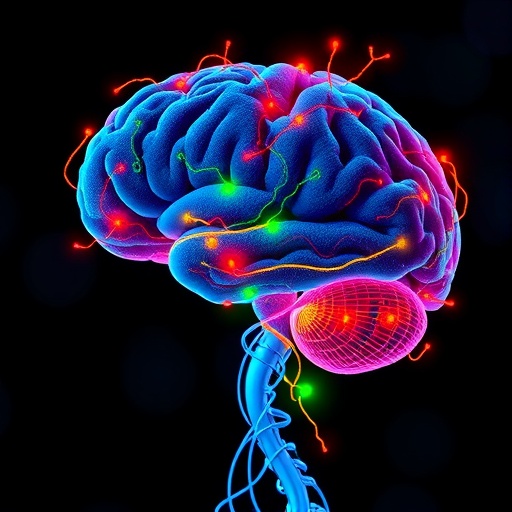
In a groundbreaking study set to advance our understanding of metabolic regulation, researchers have uncovered the pivotal role played by thyrotropin-releasing hormone (TRH) neurons located in distinct nuclei of the hypothalamus in modulating energy expenditure. The investigation, recently published in Nature Communications, reveals how these specialized neuronal populations orchestrate complex physiological processes that influence the body’s metabolic rate, providing promising insights for tackling obesity and metabolic disorders through targeted neurological interventions.
The hypothalamus, a critical brain region involved in maintaining homeostasis, harbors diverse neuronal groups that regulate hunger, thermogenesis, and energy balance. Among these, TRH neurons have long been known for their endocrine function—stimulating the release of thyroid-stimulating hormone (TSH) and ultimately thyroid hormones that regulate basal metabolic rate. However, the nuanced contributions of TRH neuronal subtypes arising from different hypothalamic nuclei in energy expenditure have remained elusive until now.
This study employed sophisticated neuroanatomical tracing combined with in vivo functional assays to dissect the roles of TRH neurons in the paraventricular nucleus (PVN), dorsomedial hypothalamus (DMH), and other hypothalamic regions. By selectively activating or silencing these neuronal pools in genetically modified mouse models, the authors were able to demonstrate differential effects on thermogenic activity and overall metabolic output. Intriguingly, TRH neurons in the PVN showed potent activation of brown adipose tissue (BAT), driving increased thermogenesis and elevated energy consumption, whereas those in the DMH appeared to modulate sympathetic nervous system tone more broadly.
Through cutting-edge optogenetic techniques, the researchers pinpointed the circuit-level pathways through which TRH neurons exert their effects. Light stimulation of TRH neurons triggered robust mitochondrial biogenesis and uncoupling protein 1 (UCP1) expression in BAT, a hallmark of enhanced thermogenic capacity. This neuroendocrine axis underscores a central role for the hypothalamic TRH system in dynamically adjusting peripheral metabolic processes, especially in response to environmental or nutritional challenges.
The research further elucidates how TRH neurons integrate various physiological cues such as temperature changes, nutritional status, and circadian rhythms to fine-tune energy expenditure. Calcium imaging and electrophysiological recordings revealed differential firing rates of TRH neurons corresponding to fasting versus fed states, suggesting that these neurons serve as metabolic sensors capable of modulating downstream pathways to preserve energy balance.
Additionally, pharmacological manipulation of TRH signaling pathways in murine models showed promising results in enhancing energy expenditure without adverse cardiovascular effects, highlighting potential therapeutic avenues. Unlike classical thyroid hormone treatments, which often exhibit systemic side effects, targeting specific hypothalamic TRH neuron subsets offers a refined strategy to combat metabolic diseases with improved safety profiles.
The translational significance extends beyond rodents, as preliminary human brain imaging studies presented in the research suggest analogous TRH neuronal populations reside within the human hypothalamus. These findings raise the exciting potential of neuromodulatory interventions, such as deep brain stimulation or focused ultrasound, to modulate TRH circuits in patients struggling with obesity or metabolic dysfunction.
Moreover, the study delves into the molecular underpinnings governing TRH neuron function, identifying key transcription factors and synaptic inputs that regulate their activity. This granular understanding provides a foundation for future gene therapy approaches aimed at enhancing or restoring TRH neuronal function in pathological states.
Importantly, the temporal dynamics of TRH neuronal activation were characterized, revealing circadian modulation patterns that coincide with known daily fluctuations in energy expenditure. This insight aligns with the known impact of disrupted circadian rhythms on metabolic syndrome, further emphasizing the integrative role of TRH neurons as central nodes in metabolic health.
Complementing these physiological data, transcriptomic analyses of TRH neurons across different hypothalamic regions uncovered distinct gene expression profiles underpinning their heterogeneity. Genes related to neurotransmission, neuropeptide synthesis, and mitochondrial function were differentially expressed, highlighting the diverse functional specializations of these neuronal populations.
The discovery that discrete TRH neuron clusters modulate energy expenditure in unique yet complementary ways challenges prior simplistic models of hypothalamic regulation of metabolism. It underscores the importance of neuronal diversity within the hypothalamus and inspires a reevaluation of current metabolic disorder paradigms with a new focus on central neuroendocrine networks.
This research opens the door for developing novel biomarker profiles that track TRH neuronal activity as predictive indicators of metabolic health or disease progression. It also paves the way for interdisciplinary collaborations between neuroscience, endocrinology, and metabolic medicine to fully harness the therapeutic potential of targeting hypothalamic TRH circuits.
In summary, the study by Constantinescu, Chandrasekar, Kleindienst, and colleagues represents a seminal contribution that unravels the complex interplay between hypothalamic TRH neurons and energy expenditure. By dissecting the specific roles of TRH neuron subtypes across different hypothalamic nuclei, the researchers have laid a critical foundation for future approaches addressing obesity and metabolic dysfunction through central neuroendocrine modulation. This paradigm shift promises to catalyze transformative innovations in precision medicine aimed at restoring metabolic balance through brain-targeted therapies.
As metabolic diseases continue to pose a global health crisis, insights into neuronal control of energy homeostasis are more urgent than ever. This landmark investigation highlights that the hypothalamic TRH system is not merely a passive endocrine relay but an active, dynamic regulator of organismal metabolism. Continued research into these neural circuits will doubtless reveal new therapeutic targets, enabling more effective and tailored interventions addressing the root causes of metabolic disorders.
Cite Scienmag News
Daisy Hatcher. (April 15, 2026). Thyrotropin Neurons Boost Energy Across Hypothalamus. Scienmag. https://scienmag.com/thyrotropin-neurons-boost-energy-across-hypothalamus/
Daisy Hatcher. "Thyrotropin Neurons Boost Energy Across Hypothalamus." Scienmag, 15 April 2026, https://scienmag.com/thyrotropin-neurons-boost-energy-across-hypothalamus/. Accessed 3 September 2026.
Daisy Hatcher. "Thyrotropin Neurons Boost Energy Across Hypothalamus." Scienmag. April 15, 2026. https://scienmag.com/thyrotropin-neurons-boost-energy-across-hypothalamus/


