


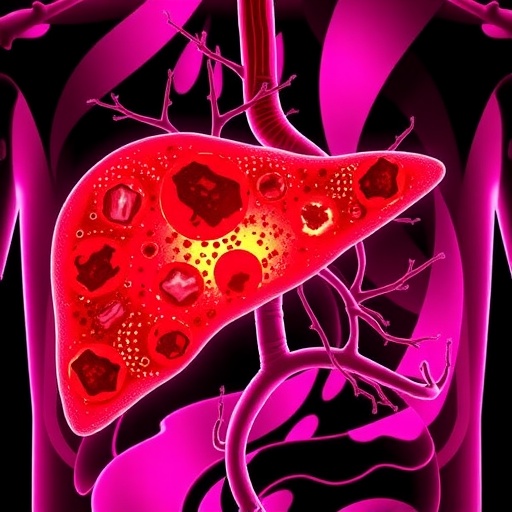
Steatotic liver diseases (SLDs) represent a rapidly evolving domain in hepatology, encompassing a broad spectrum of conditions that pose critical challenges for both clinical management and biomedical research. Central to this domain are metabolic dysfunction-associated steatotic liver disease (MASLD), previously known under the umbrella of non-alcoholic fatty liver disease (NAFLD), and alcoholic liver disease (ALD). These conditions are now recognized as the primary contributors to chronic hepatitis, progressive liver dysfunction, cirrhosis, and hepatocellular carcinoma (HCC), which is one of the leading causes of cancer-related mortality worldwide. Understanding the divergent molecular pathways and cellular mechanisms underlying these diseases is crucial for developing accurate diagnostics and effective therapies.
MASLD and alcoholic liver disease, despite sharing overlapping histopathological features, diverge notably at the molecular and cellular pathogenesis levels. The severe clinical manifestations of MASLD, often described as metabolic dysfunction-associated steatohepatitis (MASH), and alcoholic steatohepatitis (ASH), the severe form of alcoholic liver disease, give rise to distinct pathogenic cascades that culminate in liver cancer. Crucially, recent investigative efforts have highlighted the heterogeneity embedded in SLDs, revealing a complex interplay of metabolic disturbances, immune dysregulation, and genetic predispositions that collectively impact disease progression and therapeutic response.
One of the most critical revelations in the study of steatotic liver diseases relates to the heterogeneous nature of MASLD and ALD. Rather than monolithic disease entities, MASLD and ALD are increasingly understood as syndromes comprising multiple subtypes influenced by a patient’s metabolic state, immune profile, genetic makeup, and lifestyle factors such as diet and alcohol consumption. These nuances underscore the importance of personalized medicine approaches in hepatology, as a single therapeutic strategy may not be equally effective across all patient subsets.
At the molecular level, the progression from simple steatosis to inflammatory steatohepatitis and subsequently to fibrosis and HCC is orchestrated by an intricate network of signaling pathways. In MASLD, chronic metabolic stress leads to hepatocyte lipotoxicity, endoplasmic reticulum stress, and mitochondrial dysfunction. These perturbations trigger innate immune activation, including recruitment and polarization of hepatic macrophages, which perpetuate inflammation and fibrogenesis. By contrast, alcoholic liver disease involves the direct hepatotoxic effects of ethanol metabolism, characterized predominantly by oxidative stress and acetaldehyde-induced hepatocyte injury, which induce a pronounced inflammatory cascade that accelerates disease progression.
Despite the shared endpoint of hepatocellular carcinoma, MASH-related and ASH-related liver cancers appear to embark on distinct oncogenic trajectories. The microenvironmental imprint of these diseases varies significantly, with differences in cytokine milieu, immune cell infiltration, and fibrotic architecture. Such variations give rise to distinct tumor biology, influencing tumor aggressiveness, metastatic potential, and response to immunotherapy. These insights reveal the limitations of conventional histopathological classification and call for advanced biomolecular profiling tools to guide clinical decision-making.
A burgeoning area of research focuses on the genetic landscape underpinning SLD-related HCC. Genome-wide association studies (GWAS) have identified several genetic polymorphisms associated with susceptibility to MASLD and progression to carcinoma. Variants in genes such as PNPLA3, TM6SF2, and MBOAT7, which regulate lipid metabolism and inflammation, have emerged as risk alleles that modify disease course. Meanwhile, studies on alcoholic liver disease highlight genetic variability in alcohol dehydrogenase and aldehyde dehydrogenase enzymes as modifiers of individual vulnerability to liver injury and subsequent carcinogenesis.
The immune system plays a pivotal role in the transition from chronic steatohepatitis to malignant transformation. Both innate and adaptive immune components undergo dramatic remodeling in the SLD microenvironment. Kupffer cells, dendritic cells, natural killer cells, and various T-cell subsets exhibit altered function, contributing to a pro-tumorigenic environment through secretion of cytokines, growth factors, and immunosuppressive molecules. Immune checkpoint pathways appear dysregulated in SLD-associated HCC, opening new avenues for immunotherapeutic interventions that can potentially overcome resistance seen with conventional treatments.
Steatotic liver disease progression is strongly influenced by metabolic co-morbidities, such as obesity, type 2 diabetes, and dyslipidemias, which exacerbate hepatic inflammation and fibrogenesis. The metabolic milieu in MASLD patients creates an environment conducive to oncogenic transformation, partly through chronic activation of insulin signaling, increased production of reactive oxygen species, and systemic low-grade inflammation. These metabolic perturbations synergize with genetic predispositions and hepatic immune dysregulation, constructing a fertile ground for carcinogenesis.
The diagnosis of SLD-related HCC remains fraught with challenges, particularly in differentiating between MASH and ASH etiologies due to overlapping clinical and pathological features. Non-invasive biomarkers that can discriminate between these conditions in their early stages are an unmet need in hepatology. Recent advances in liquid biopsy techniques, including circulating tumor DNA (ctDNA), exosomes, and serum metabolomics, show promise but require further validation in large cohorts.
Therapeutic management of SLD and its progression to HCC is rapidly evolving, reflecting the intricate molecular underpinnings of these diseases. Currently, therapeutic strategies are largely supportive, focusing on lifestyle modification, metabolic control, and alcohol cessation. However, novel agents targeting specific molecular pathways such as fibrosis modulation, immunomodulation, and metabolic regulation are under clinical evaluation. Precision oncology approaches that personalize treatment based on individual genetic and molecular profiles represent the future frontier in SLD-related liver cancer therapy.
Pharmacological interventions in MASLD currently under investigation include peroxisome proliferator-activated receptor (PPAR) agonists, farnesoid X receptor (FXR) agonists, and anti-inflammatory agents that attempt to reverse hepatic steatosis and fibrosis. In ASH, antioxidant therapies and agents that attenuate ethanol metabolism-induced damage are being explored. Despite these advances, barriers remain in translating these therapies into effective clinical treatments due to disease heterogeneity and patient comorbidities.
Preventative strategies for steatotic liver diseases are gaining importance in public health paradigms, especially given the rising global burden of obesity and alcohol misuse. Early risk stratification tools incorporating genetic, molecular, and clinical parameters may allow for targeted interventions before irreversible liver damage occurs. Integration of artificial intelligence and big data analytics in this domain offers unprecedented opportunities to refine risk algorithms and optimize patient monitoring.
The role of lifestyle modifications remains paramount, with dietary interventions aimed at reducing saturated fat and refined sugar intake complementing pharmacological measures. Aerobic exercise and weight loss have demonstrated efficacy in reducing hepatic steatosis and improving metabolic profiles, thereby lowering HCC risk. Importantly, alcohol abstinence or reduction is critical in ASH management, and combined behavioral and medical approaches to support addiction recovery are essential components of care.
In the context of liver transplantation for advanced SLD-related cirrhosis or HCC, patient selection criteria must consider the underlying disease etiology, comorbidities, and risk of tumor recurrence. Post-transplant immunosuppressive regimens are tailored to minimize cancer recurrence risk while preventing graft rejection. Long-term monitoring for metabolic and neoplastic complications remains a vital aspect of post-operative care.
Future directions in SLD research necessitate multidisciplinary collaborations integrating hepatology, oncology, immunology, genetics, and computational biology. Translational research pipelines will benefit from advanced organoid models, single-cell RNA sequencing, and spatial transcriptomics to unravel the complex cellular dialogues within the diseased liver microenvironment. Such precision biology approaches are anticipated to unveil novel biomarkers and therapeutic targets.
In summary, the intricate and multifaceted interplay between steatotic liver diseases and liver cancer represents a compelling challenge and opportunity in biomedical research. Dissecting the metabolic, immunological, and genetic heterogeneity of MASLD and ASH paves the way for personalized interventions that could drastically alter the clinical trajectory of affected patients. As this field advances, it promises transformative impacts on diagnostic precision, therapeutic innovation, and ultimately, patient outcomes in liver cancer associated with steatotic liver diseases.
Cite Scienmag News
Nathaniel Bowman. (April 14, 2026). Steatotic Liver Disease Links to Liver Cancer Revealed. Scienmag. https://scienmag.com/steatotic-liver-disease-links-to-liver-cancer-revealed/
Nathaniel Bowman. "Steatotic Liver Disease Links to Liver Cancer Revealed." Scienmag, 14 April 2026, https://scienmag.com/steatotic-liver-disease-links-to-liver-cancer-revealed/. Accessed 3 September 2026.
Nathaniel Bowman. "Steatotic Liver Disease Links to Liver Cancer Revealed." Scienmag. April 14, 2026. https://scienmag.com/steatotic-liver-disease-links-to-liver-cancer-revealed/


