


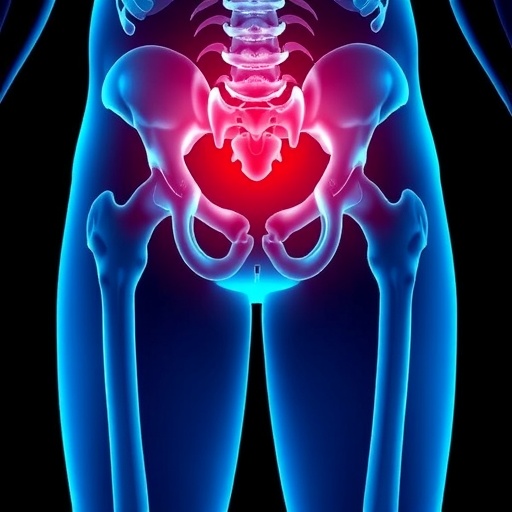
In a remarkable advancement in the field of geriatric medicine, a new prospective cohort study has shed light on the critical relationship between nutritional status and surgical outcomes in elderly patients who suffer hip fractures. The research, spearheaded by Peng, Chen, Ge, and their colleagues, meticulously explores how the Geriatric Nutritional Risk Index (GNRI) serves as a potent predictor of postoperative recovery and complications in this vulnerable population. As hip fractures remain one of the most devastating injuries among older adults, associated with significant morbidity, mortality, and healthcare burden, these findings carry profound implications for both clinical practice and public health strategies.
Hip fractures often precipitate a downward spiral in the health of elderly individuals due to prolonged immobility, pain, and subsequent loss of independence. The surgical intervention required to repair such fractures, while lifesaving, poses substantial risks, especially when compounded by malnutrition—a common and often underdiagnosed condition in older adults. The GNRI is a simple yet effective scoring system derived from serum albumin levels and body weight metrics that quantifies nutritional risk in the elderly. By evaluating this index preoperatively, the study aimed to elucidate its predictive power concerning postoperative complications, length of hospital stay, and overall recovery trajectories.
This groundbreaking investigation involved close monitoring of older adults admitted for hip fracture surgeries, systematically recording their GNRI scores before surgery and tracking multifaceted postoperative outcomes. The researchers employed robust statistical methods to isolate the effect of nutritional status from other confounding variables such as age, comorbidities, and functional baseline status. The data revealed a striking trend: patients with lower GNRI scores, indicative of malnutrition or undernutrition, were significantly more likely to experience adverse events, including infections, delayed wound healing, and prolonged hospitalization periods.
Particularly notable was the association between GNRI scores and one of the most feared postoperative complications—surgical site infections. These infections can drastically worsen prognosis and complicate rehabilitation efforts. The study demonstrated that individuals with compromised nutritional statuses had nearly double the risk of developing such infections compared to those with adequate nutrition. This correlation underscores the mechanistic link between malnutrition, immune system impairment, and tissue repair capabilities, providing a tangible target for preoperative optimization.
Beyond infections, the study highlighted the influence of GNRI on functional recovery. Elderly patients with low nutritional reserves showed diminished capacity to regain mobility and independence after surgery. This finding aligns with emerging paradigms emphasizing nutrition as a modifiable factor in enhancing rehabilitation outcomes. The implication is clear: by addressing nutritional deficits early, healthcare providers can potentially shorten recovery times, reduce reliance on long-term care, and improve quality of life for older adults post-hip fracture.
The research further delved into mortality rates, revealing a sobering correlation between poor nutritional status and increased postoperative mortality within the study’s follow-up period. Although hip fractures already carry a high mortality risk, the additive effect of malnutrition significantly magnifies this danger. The evidence advocates for integrating GNRI assessment into routine preoperative evaluation protocols, thus facilitating targeted nutritional interventions that could save lives.
An innovative aspect of the study was its prospective design, which allowed for real-time assessment and minimized retrospective biases that often plague observational research. Such methodical data collection enhances the credibility of the findings and their applicability in clinical settings. Moreover, the inclusion of a diverse cohort of older adults adds to the generalizability of the conclusions, suggesting that the GNRI’s predictive role transcends demographic boundaries.
The broader clinical significance of this investigation lies in the potential restructuring of perioperative care frameworks for elderly patients. Traditionally, surgical risk stratification has focused heavily on cardiovascular, pulmonary, and renal parameters, often overlooking nutritional status. This study convincingly argues for a paradigm shift, where nutritional screening becomes a cornerstone of preoperative assessment, guiding multidisciplinary interventions that include dietitians, geriatricians, and physical therapists.
Implementation of routine GNRI measurements could herald a new era of personalized medicine for older adults undergoing orthopedic surgeries. Nutritional supplementation, tailored protein-energy support, and close monitoring might become standard practices preceding hip fracture repair procedures. This holistic approach promises not only to enhance surgical outcomes but also to reduce healthcare expenditures by decreasing complication rates and shortening length of hospital stays.
In addition to clinical benefits, these findings bear substantial public health ramifications. Hip fractures contribute significantly to morbidity and mortality worldwide, with the aging global population poised to exacerbate this trend. By embedding nutritional status evaluation into hip fracture management, healthcare systems can develop more effective preventative and therapeutic strategies to mitigate the burden of these injuries on society.
This study also prompts a reappraisal of chronic disease management in older adults outside the hospital setting. Since nutritional deficits can silently progress over time, regular screening for at-risk individuals in primary care environments could serve as a preventative measure, potentially averting frailty and subsequent fractures. Such proactive health maintenance aligns with the broader goals of geriatric care, emphasizing preservation of function and independence.
Future research inspired by these findings could explore the mechanistic underpinnings linking malnutrition to poor surgical outcomes at a molecular level, potentially uncovering novel therapeutic targets. Investigations into optimal nutritional supplementation protocols, timing, and delivery modalities would further enhance the clinical translation of GNRI-based risk stratification.
In conclusion, the pioneering work by Peng and colleagues decisively establishes the Geriatric Nutritional Risk Index as an invaluable tool in predicting and improving postoperative outcomes after hip fractures in older adults. Their evidence advocates for the universal adoption of nutritional risk screening as a standard component of surgical preparation in geriatric populations. As the medical community continues to grapple with the complexities of aging and multimorbidity, such integrative approaches stand as beacons of hope, promising enhanced recovery trajectories and better quality of life for our elderly patients.
Cite Scienmag News
Ophelia Keating. (April 10, 2026). GNRI Predicts Hip Fracture Surgery Outcomes in Elders. Scienmag. https://scienmag.com/gnri-predicts-hip-fracture-surgery-outcomes-in-elders/
Ophelia Keating. "GNRI Predicts Hip Fracture Surgery Outcomes in Elders." Scienmag, 10 April 2026, https://scienmag.com/gnri-predicts-hip-fracture-surgery-outcomes-in-elders/. Accessed 4 September 2026.
Ophelia Keating. "GNRI Predicts Hip Fracture Surgery Outcomes in Elders." Scienmag. April 10, 2026. https://scienmag.com/gnri-predicts-hip-fracture-surgery-outcomes-in-elders/


