


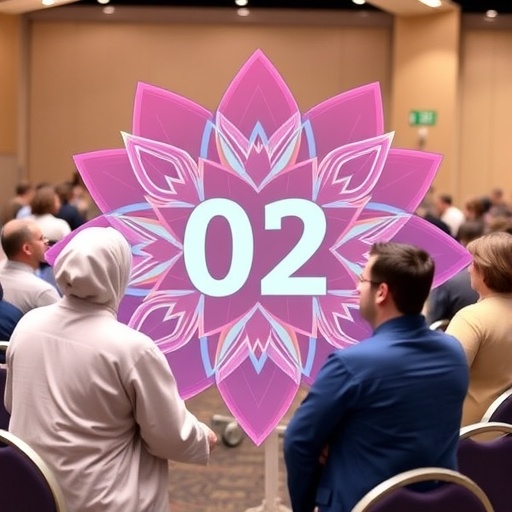
The 2026 Annual Conference of the National Comprehensive Cancer Network (NCCN), held in Orlando, Florida, convened over a thousand oncology professionals along with hundreds of virtual attendees, underscoring the event’s exponential reach and impact. As a premier coalition of leading cancer centers committed to enhancing cancer care, NCCN presented an array of sessions that delved into pioneering cancer research breakthroughs, clinical guideline advancements, operational improvements, and critical policy issues that shape cancer management worldwide. This comprehensive assembly reaffirmed the essence of collaboration and innovation in facing cancer’s evolving frontiers.
A pivotal theme emerged at the outset of the conference during a plenary session focused on the disturbing increase in cancer incidence among adults under the age of 50. This early-onset cancer phenomenon is multifactorial, implicating alterations in dietary habits, lifestyle factors, the human microbiome, and exposure to environmental carcinogens. The experts underscored the peculiarity of this demographic’s risk profile, noting the compounded challenges posed by economic burdens and life-stage complexities such as fertility concerns, family responsibilities, and social isolation from both peers and typical cancer patient populations, who often reflect older age groups.
Scientific discourse highlighted the clinical implications of such demographic shifts, particularly how later-stage diagnoses are prevalent in this group due to a lack of routine screening and atypical symptom presentations, often coupled with significant genetic predispositions. Treating younger adults requires a paradigm emphasizing holistic, multidisciplinary care teams to address both immediate oncologic needs and long-term survivorship quality. The NCCN Clinical Practice Guidelines in Oncology for Adolescents and Young Adults (AYA) were emphasized as a key resource, promoting standardized, evidence-based approaches adapted to this vulnerable population’s unique challenges.
Parallel discussions ventured into the global oncology landscape, casting a spotlight on the disproportionate rise of cancer incidences and mortality rates in low- and middle-income countries (LMICs). The conference highlighted an alarming disparity: despite LMICs bearing the brunt of over 70% of cancer deaths globally, these regions receive less than 5% of cancer-related funding. This funding gap severely restricts the availability of crucial interventions including preventive measures like HPV vaccination programs, effective screening, and standardized treatment protocols. Therefore, pragmatic global oncology strategies focus on resource optimization, increased international collaboration, and harmonization of clinical guidelines to effect measurable improvements in cancer outcomes.
Attendees learned about innovative models of partnership such as the African Cancer Coalition and the NCCN’s regional guideline adaptations, which exemplify successful frameworks for delivering feasible, context-sensitive cancer care across diverse health systems. Presented initiatives also included the Middle East and North Africa (MENA) guidelines, showcasing collaborative efforts with governmental health affairs entities, which together aspire to elevate oncology practice beyond geographic and economic constraints through tailored, evidence-driven recommendations and education.
An emerging focus within the 2026 program was operational excellence in cancer care delivery, addressing systemic efficiency, workforce challenges, and technological integration. Given that NCCN Guidelines were downloaded in excess of 18 million times the previous year, it is clear there is overwhelming demand for rigorously vetted knowledge to inform clinical practice. Yet, as patients live longer and the number of new cancer diagnoses escalates, oncology practitioners face intensified workload and administrative complexity. Sessions explored the transformative potential of advanced electronic health records (EHRs), artificial intelligence governance, and inter-institutional collaborations to streamline workflows, reduce redundant efforts, and enhance patient outcomes.
The conference also presented more than 300 original research abstracts spanning a broad spectrum of oncology disciplines—from bioinformatics and genomic studies to clinical trials and quality improvement initiatives. Cutting-edge research showcased included investigations into innovative lung cancer screening interventions, novel survivin peptide vaccines targeting metastatic neuroendocrine tumors, and clinical trials aiming to bolster equitable adherence to cancer screening protocols. Notably, presentations by past recipients of the NCCN Foundation Young Investigator Award showcased frontline advances in precision oncology and immune profiling, testifying to the vibrant integration of early-career research talent in shaping oncology’s future.
Adding to the momentum, a pilot project led by NCCN’s Cancer Care Equity Program explored the deployment of a Health Equity Report Card to assess and promote equitable care practices in community cancer treatment settings. This initiative, supported by the Alliance for Equity in Cancer Care, aims to systematically identify disparities and implement tailored interventions to close gaps in outcomes, an imperative step toward realizing cancer care equity across diverse populations. Such programmatic innovations represent a crucial axis of NCCN’s strategic commitment to advancing inclusion and social justice in oncology.
Beyond research and operations, the conference deepened focus on updating clinical oncology guidelines, encompassing gastrointestinal, genitourinary, gynecologic, hematologic, and dermatologic malignancies. Integrated case studies illuminated best practice models for prevalent cancers such as breast and non-small cell lung carcinoma. Simultaneously, sessions addressed the nuanced management of immune checkpoint inhibitor toxicities—an increasingly common therapeutic modality—alongside explorations of AI’s prospective role in predictive analytics and clinical decision support, emphasizing the nexus of technology and patient-centered care.
As NCCN looks forward, it announced that the next Annual Conference will be held in San Diego, California, marking its geographic and strategic expansion. The announced dates—March 19 to 21, 2027—signal a continued commitment to fostering an inclusive forum that mobilizes global oncology expertise, promotes cutting-edge research dissemination, and convenes the cancer care community around shared challenges and future breakthroughs. This forward-looking vision aligns with NCCN’s core mission of ensuring that cancer patients worldwide receive the highest quality of care informed by the latest scientific advancements.
In sum, the 2026 NCCN Annual Conference crystallized key imperatives for contemporary oncology: confronting the rise of early-onset cancers with tailored multidisciplinary care; bridging global disparities through evidence-based guideline adaptation and resource alignment; leveraging technological innovations to optimize operational efficacy; and driving equity-oriented research to dismantle systemic barriers in cancer treatment. Embedded within these themes is a powerful ethos of collaboration—uniting researchers, clinicians, policymakers, and patient advocates to collectively elevate the standard of cancer care and transform patient outcomes worldwide.
By advancing comprehensive, data-driven strategies and fostering a collaborative continuum of care, the NCCN conference reaffirmed its role as a catalytic platform guiding oncology’s evolution into a more precise, equitable, and holistic discipline. As the global cancer burden escalates and patient journeys become increasingly complex, the conference’s insights underscore the necessity of adaptive frameworks that honor scientific rigor while addressing the lived realities of both patients and practitioners. The onus now rests on the cancer care community to operationalize these insights into scalable, sustainable improvements that will define the future landscape of oncology.
Cite Scienmag News
Nathaniel Bowman. (April 1, 2026). NCCN 2026 Annual Conference Equips Cancer Care Providers Globally to Embrace Holistic Patient Healing. Scienmag. https://scienmag.com/nccn-2026-annual-conference-equips-cancer-care-providers-globally-to-embrace-holistic-patient-healing/
Nathaniel Bowman. "NCCN 2026 Annual Conference Equips Cancer Care Providers Globally to Embrace Holistic Patient Healing." Scienmag, 1 April 2026, https://scienmag.com/nccn-2026-annual-conference-equips-cancer-care-providers-globally-to-embrace-holistic-patient-healing/. Accessed 3 September 2026.
Nathaniel Bowman. "NCCN 2026 Annual Conference Equips Cancer Care Providers Globally to Embrace Holistic Patient Healing." Scienmag. April 1, 2026. https://scienmag.com/nccn-2026-annual-conference-equips-cancer-care-providers-globally-to-embrace-holistic-patient-healing/


