

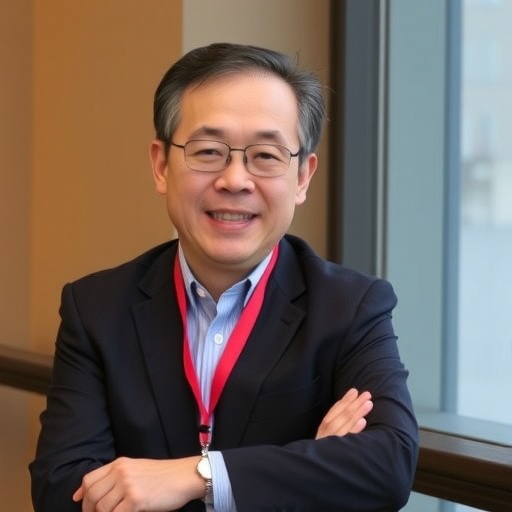
In a landmark recognition that underscores the profound impact of immune metabolism on cancer therapy, Ping-Chih Ho of Ludwig Lausanne has been elected as a Fellow of the American Association for the Advancement of Science (AAAS). This distinguished honor celebrates Ho’s trailblazing contributions to the rapidly evolving field of immunometabolism, a discipline that intricately explores the dynamic interplay between cellular metabolism and immune function, particularly in the context of cancer.
Ho’s pioneering research focuses on deciphering the complex metabolic conversations between immune cells and the tumor microenvironment, revealing how aberrant metabolic signals within tumors disrupt immune surveillance mechanisms. His work has illuminated fundamental principles that govern how metabolic byproducts influence immune cells’ behavior, contributing to their dysfunction and failure to eradicate malignant cells effectively. This insight has dramatically reshaped our understanding of the immune system’s metabolic checkpoints, opening novel therapeutic avenues.
Central to Ho’s investigations is the role of mitochondria within immune cells, especially T lymphocytes that are critical in anti-tumor immunity. The mitochondrion, known as the cell’s powerhouse, not only fuels cellular activities but also modulates immune responses through its metabolic status. Ho’s team has uncovered that in the hostile milieu of a tumor, dysfunctional mitochondria accumulate within tumor-infiltrating T cells. This mitochondrial impairment leads to an exhaustive state characterized by altered gene expression programs that effectively incapacitate T cells, undermining their cytotoxic potential against cancer cells.
In a groundbreaking report, Ho’s laboratory delineated the molecular cascade triggered by mitochondrial defects that thrust T cells into terminal exhaustion—a state from which immune cells cannot recover their tumor-killing capabilities. By pinpointing this mechanism, his research has provided a molecular blueprint to reverse or prevent T cell exhaustion. Notably, his group identified an existing pharmacological agent capable of interrupting this deleterious pathway, thereby restoring the functionality of CAR-T cells—a personalized immunotherapy modality that engineers patient T cells to target cancer.
Further extending these discoveries, Ho’s team has also documented a novel metabolic checkpoint involving lipid uptake pathways in immune cells embedded within tumors. They described a mode of fat assimilation that acts as a metabolic barrier, effectively suppressing immune responses. Through meticulous characterization, they developed an antibody-based therapeutic candidate, PLT012, to neutralize this metabolic impediment. This antibody has garnered Fast Track designation by the U.S. Food and Drug Administration and is currently undergoing clinical evaluation in liver cancer patients, signifying a promising new frontier in cancer immunotherapy led by a biotech spin-out from Ho’s lab.
Ho’s scientific contributions are not only pivotal in the biological understanding of cancer and immunity but also exemplify translational research bridging bench discoveries to clinical impact. His lab’s efforts emphasize the metabolic plasticity of immune cells and how these pathways can be manipulated to enhance anti-tumor immunity. This dual appreciation of basic science and therapeutic potential places Ho at the forefront of a transformative era in oncology.
The implications of these findings extend beyond cancer alone, providing a framework potentially applicable to a variety of diseases where immune metabolism plays a critical role. By elucidating how metabolic states shape immune cell fate and function, Ho’s work challenges conventional paradigms and inspires new strategies to modulate immunity through metabolic interventions.
Ho’s upcoming induction ceremony in Washington D.C. on May 29 honors not only his extraordinary scientific achievements but also the promise of immunometabolism to revolutionize cancer treatment. As a full professor at the University of Lausanne and a key figure at Ludwig Institute for Cancer Research, Ho’s leadership continues to invigorate global cancer research communities focused on integrating metabolism and immunology.
His achievements highlight the significance of interdisciplinary approaches that combine molecular biology, metabolism, and immunotherapy. Such integration is crucial for unraveling the complexities of tumor-immune interactions and developing innovative therapies with improved efficacy and patient outcomes.
This recognition by AAAS not only celebrates Ho’s scientific excellence but also underscores the transformative potential of metabolism-based immunotherapies. As cancer evolves numerous mechanisms to evade immune destruction, metabolic rewiring emerges as a critical vulnerability that can be therapeutically exploited.
In sum, Ping-Chih Ho’s election as an AAAS Fellow reflects the cutting-edge advancements in understanding immune metabolism’s role in cancer. His groundbreaking insights have catalyzed novel therapeutic concepts that could redefine cancer immunotherapy, offering renewed hope for patients through scientifically informed, metabolism-targeted interventions.
—
Subject of Research: Immune Metabolism in Anti-Tumor Immunity and Cancer Therapy
Article Title: Not provided
News Publication Date: March 26, 2026
Web References:
– https://www.ludwigcancerresearch.org/success-story/the-immunometabolomic-disruptor/
– https://www.ludwigcancerresearch.org/news-releases/how-an-energy-crisis-drives-t-cells-to-exhaustion-in-tumors/
– https://www.nature.com/articles/s41586-026-10250-y
– https://www.ludwigcancerresearch.org/news-releases/a-drug-dismantles-a-metabolic-barrier-to-anti-tumor-immunity/
References: Not explicitly cited
Image Credits: Ludwig Cancer Research
Keywords: Health and medicine, Cancer, Tumor microenvironments, Immunology, Immunotherapy


