


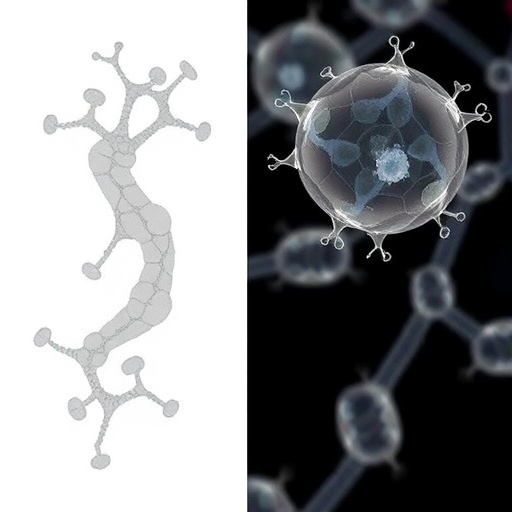
In an eye-opening new study set to shake the foundations of environmental health science, researchers have uncovered that polyethylene nano- and microplastics induce profound metabolic stress responses in human vaginal epithelial cells. As plastics increasingly permeate nearly every corner of our ecosystem, their microscopic byproducts are emerging as insidious agents of cellular disturbance, evoking responses that could have far-reaching implications for women’s reproductive health and beyond.
Polyethylene (PE), one of the most ubiquitous plastic polymers used in consumer products—ranging from packaging films to containers—degrades into micro- and nanoplastics that easily infiltrate biological barriers. While much attention has been paid to inhalation and ingestion routes, this recently published investigation uniquely focuses on the vaginal epithelial microenvironment, a vital mucosal tissue whose integrity is central to infection defense and overall reproductive well-being. The researchers employed cutting-edge in vitro models to expose human vaginal epithelial cells to environmentally relevant concentrations of PE micro- and nanoplastics, teasing apart the cellular consequences with unprecedented molecular detail.
What makes this discovery particularly alarming is the identification of a cascade of metabolic perturbations triggered by plastic exposure. The vaginal epithelial cells displayed signs of oxidative stress, marked by an aberrant increase in reactive oxygen species (ROS) production. This oxidative imbalance can overwhelm the cells’ antioxidant defenses, potentially leading to DNA damage, activation of stress response pathways, and disruption of normal cellular metabolism. The research team used sophisticated metabolomics analyses to reveal that energy homeostasis was heavily compromised, with alterations in key metabolites involved in glycolysis and mitochondrial respiration.
By simulating chronic exposure scenarios, the study also determined that the plastic particulates provoke an inflammatory molecular milieu within the vaginal epithelium. There were elevated expression levels of pro-inflammatory cytokines, which are signaling molecules that can fuel localized inflammation and tissue remodeling. Such inflammatory responses, if persistent, might predispose tissues to pathological states including predisposition to infection, barrier dysfunction, and possibly neoplastic transformations given the role of chronic inflammation in carcinogenesis.
Crucially, the study delineates differences in cellular responses between nano- and microplastic particles. Nanoplastics, defined as plastic fragments below 100 nanometers, demonstrated an ability to penetrate cellular membranes and interfere directly with intracellular organelles such as mitochondria, exacerbating energy metabolism disruptions. In contrast, microplastics primarily elicited surface receptor-mediated signaling changes that altered the epithelial barrier’s function and favored a pro-oxidant environment. These nuanced insights shed light on how particle size modulates toxicity mechanisms at the cellular level.
The implications of these findings extend well beyond the vaginal mucosa. Since mucosal tissues share many common defense and metabolic pathways, similar mechanisms of plastic-induced cellular stress might occur in other epithelial linings, such as the respiratory or gastrointestinal tracts. Moreover, the reproductive tract’s sensitivity to environmental toxicants suggests a potential link between chronic microplastic exposure and adverse reproductive outcomes, including infertility, endometriosis, or increased susceptibility to sexually transmitted infections.
Of significant concern is the widespread presence of polyethylene particles in personal care products frequently used in vaginal hygiene. This raises critical questions about cumulative exposure risks and highlights a glaring gap in regulatory oversight regarding microplastic content in health-related products. The authors call for immediate interdisciplinary efforts to evaluate human exposure levels in real-world scenarios and to develop strategies to mitigate potential health hazards.
Technologically, this study exemplifies the integration of advanced analytical methods. High-resolution imaging techniques including electron microscopy allowed visualization and quantification of plastic particle internalization within epithelial cells. Concurrently, comprehensive transcriptomic and proteomic profiling unraveled the complex network of gene and protein alterations underpinning metabolic stress. Such multi-omics approaches represent the frontier of toxicological research, enabling precision delineation of cellular pathways disrupted by environmental contaminants.
Experts in environmental health and toxicology extol this research as a critical milestone that bridges environmental pollution and cellular toxicology in a context highly relevant to human health. As global plastic production surpasses unprecedented levels, their degradation into biologically active nano- and microplastics demands urgent scientific attention, especially concerning reproductive health domains historically overlooked in plastic pollution studies.
Given the mounting evidence from studies worldwide, the cumulative health burden of plastic-associated metabolic disturbances could indeed emerge as a silent epidemic. This underscores the necessity to prioritize both mitigation of plastic waste generation and thorough investigation into biological impacts at the cellular and systemic levels. Future studies will need to explore dose-response relationships, long-term effects, and potential interventions that can buffer or reverse plastic-induced cellular dysfunction.
In summary, the novel findings from this investigation illuminate the complex biochemical warfare waged at the microscopic interface between man-made polymers and human cells. By highlighting the metabolic distress engendered by polyethylene micro- and nanoplastics in vaginal epithelium, the research opens new avenues of inquiry into how everyday materials threaten fundamental aspects of human biology. As public awareness and scientific scrutiny escalate, it becomes ever more pressing to rethink plastic use and to innovate safer alternatives that safeguard human and environmental health alike.
This remarkable study not only advances toxicology and reproductive biology but also serves as a powerful call to action. It reinforces the interconnectedness of environmental exposures with delicate biological systems and the unpredictable consequences that may arise from pervasive anthropogenic pollutants. Ultimately, protecting human health in a plastic-laden world demands bold science matched by concerted policy and community engagement.
Cite Scienmag News
Ophelia Keating. (March 25, 2026). Polyethylene Nano- and Microplastics Stress Vaginal Cells. Scienmag. https://scienmag.com/polyethylene-nano-and-microplastics-stress-vaginal-cells/
Ophelia Keating. "Polyethylene Nano- and Microplastics Stress Vaginal Cells." Scienmag, 25 March 2026, https://scienmag.com/polyethylene-nano-and-microplastics-stress-vaginal-cells/. Accessed 3 September 2026.
Ophelia Keating. "Polyethylene Nano- and Microplastics Stress Vaginal Cells." Scienmag. March 25, 2026. https://scienmag.com/polyethylene-nano-and-microplastics-stress-vaginal-cells/


