


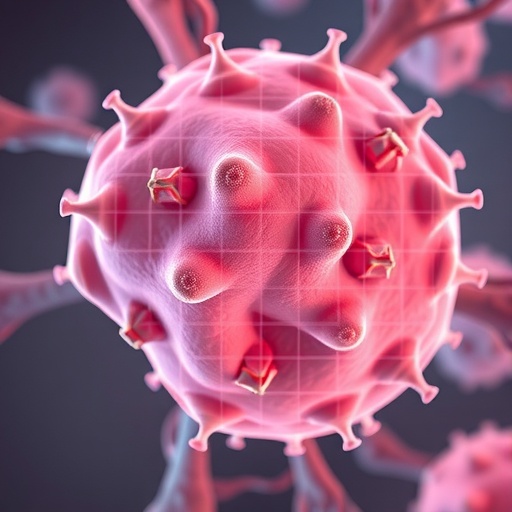
In an extraordinary advance poised to redefine regenerative medicine, a collaborative team from the University of Hong Kong’s LKS Faculty of Medicine and Toronto’s Lunenfeld-Tanenbaum Research Institute has engineered a new class of human pluripotent stem cells capable of evading immune rejection with unprecedented precision and safety. This breakthrough, published recently in Stem Cell Reports, showcases genome-edited human embryonic stem cells, termed “FailSafe-AlloAccept,” which carry sophisticated immune-evasive capabilities alongside a genetic kill switch to mitigate tumorigenic risks. This innovation is likely to transform therapeutic paradigms for a spectrum of incurable diseases by enabling off-the-shelf allogeneic cell and tissue transplants without the necessity of lifelong immunosuppression.
Stem cell transplants have traditionally been hindered by the host immune system’s aggressive response to foreign cells, leading to rejection episodes that necessitate chronic immunosuppression. This practice carries significant adverse effects, including heightened vulnerability to infections and malignancies. Overcoming this immunological barrier has remained the elusive holy grail in cell therapy. Professor Danny Chan and his team, leveraging genomic editing tools alongside insights drawn from unique biological phenomena, have now developed a stem cell line capable of ‘cloaking’ itself from immune surveillance, thus heralding a new era of universal donor cells.
The inspiration for creating these immune-evasive cells derived from natural models of immune evasion, among which transmissible cancers in Tasmanian devils stand out. These cancers circumvent host immunity by disguising themselves, allowing malignant cells to take root in genetically disparate individuals. Similarly, the human placenta exhibits remarkable immune tolerance, maintaining harmonious coexistence between genetically distinct maternal and fetal tissues. Furthermore, certain human cancers actively suppress immune cells in their microenvironment, enabling unchecked growth. Integrating these mechanisms, the research team engineered stem cells that invisibly camouflage from immune detection while concurrently exerting localized immunosuppressive effects to protect adjacent tissues.
The engineered FailSafe-AlloAccept stem cells underwent rigorous preclinical testing using humanised immune system mice, which faithfully recapitulate the complexities of the human immune response. Remarkably, unmodified embryonic stem cells were rapidly identified and cleared by the host immune system, preventing successful engraftment. Contrastingly, FailSafe-AlloAccept cells thrived, generating viable tissues sustained for up to five months post-transplantation without observable rejection. This outcome underscores the cells’ extraordinary capacity to achieve immune acceptance across diverse genetic backgrounds, a landmark achievement in the field.
Critically, the immune cloaking mechanism does not jeopardize the recipient’s overall immune competence. Mice with FailSafe-AlloAccept grafts retained full immunocompetence, efficiently rejecting foreign invaders and neoplastic cells not cloaked by the engineered cells. This facet is essential to guarantee that immune evasion by therapeutic grafts does not induce systemic immunodeficiency, which could otherwise predispose patients to severe infections or secondary tumors. Such precision in modulating immune interactions marks an unprecedented sophistication in cellular engineering.
Given the inherent risk of tumorigenesis fueled by mutations accumulated during repeated cell divisions, the research incorporated an ingenious kill switch. This genetic safety net enables selective eradication of any proliferating aberrant cells via administration of a common, clinically approved drug, providing a crucial safeguard before clinical translation. Professor Andras Nagy emphasized that this integrated security element elevates the therapeutic potential by simultaneously addressing efficacy and patient safety—two non-negotiable pillars for viable cell-based therapies.
The implications of this technology resonate beyond individual diseases. Conditions lacking curative options—Parkinson’s disease, type 1 diabetes, heart failure, and spinal cord injuries—stand to benefit from ready availability of safe, high-quality stem-cell derived tissues tailored through this universal platform. Importantly, this approach could eliminate the pressing shortage of donor organs and cells while obviating chronic immunosuppressive regimens that plague current transplant recipients with debilitating side effects.
This pluripotent cell line’s versatility is remarkable. Their pluripotency means these stem cells can be differentiated into virtually any cell type required for tissue regeneration, ranging from neurons to pancreatic islets and cardiomyocytes. The ability to generate therapeutic doses of cells on demand, combined with immune invisibility, paves the way for scalable manufacturing of standardized, banked cell therapy products accessible worldwide irrespective of patient HLA compatibility.
Beyond the laboratory, the scientific partnership forged across the Pacific signifies a paradigm for collaborative innovation. Hinged on the Distinguished Visiting Scholar Scheme, the synergy between Professor Chan’s lab at HKUMed and Professor Nagy’s team in Toronto exemplifies how international cooperation can catalyze disruptive advances with global health impact. Their unified expertise in stem cell biology, immunology, and genomic engineering has generated a pioneering solution set to accelerate clinical translation timelines.
As preclinical validation progresses, the research community anticipates subsequent human trials that will rigorously evaluate long-term safety and therapeutic efficacy. While challenges remain—including scalability, regulatory approval, and comprehensive immune profiling—the FailSafe-AlloAccept cells represent a monumental step toward universal cell therapies that could replace traditional transplantation entirely. If successful, these innovations promise to revolutionize the treatment landscape for millions of patients worldwide, unlocking new frontiers in personalized and regenerative medicine.
In summary, the creation of genetically cloaked, safe human pluripotent stem cells equipped with a fail-safe kill mechanism addresses two of the greatest obstacles in transplantation medicine: immune rejection and tumorigenic risk. By drawing on nature’s immune evasion strategies and combining them with cutting-edge genome editing, this technology might soon enable off-the-shelf regenerative therapies without the need for chronic immunosuppression, profoundly altering the future of medicine.
News Publication Date: 5-Mar-2026
Web References:
Keywords
Immune evasion, pluripotent stem cells, genome editing, regenerative medicine, allogeneic transplantation, cellular immunology, tumorigenesis prevention, universal donor cells, stem cell therapy, translational research, collaborative innovation, off-the-shelf therapies
Cite Scienmag News
Denise Maddox. (March 12, 2026). HKUMed Shows ‘Stealth’ Human Stem Cells Enable Safe, Off-the-Shelf Transplants Without Immune Rejection. Scienmag. https://scienmag.com/hkumed-shows-stealth-human-stem-cells-enable-safe-off-the-shelf-transplants-without-immune-rejection/
Denise Maddox. "HKUMed Shows ‘Stealth’ Human Stem Cells Enable Safe, Off-the-Shelf Transplants Without Immune Rejection." Scienmag, 12 March 2026, https://scienmag.com/hkumed-shows-stealth-human-stem-cells-enable-safe-off-the-shelf-transplants-without-immune-rejection/. Accessed 4 September 2026.
Denise Maddox. "HKUMed Shows ‘Stealth’ Human Stem Cells Enable Safe, Off-the-Shelf Transplants Without Immune Rejection." Scienmag. March 12, 2026. https://scienmag.com/hkumed-shows-stealth-human-stem-cells-enable-safe-off-the-shelf-transplants-without-immune-rejection/


